 GDU
GDU
 UUUFLY
 DJI
DJI MMC
MMC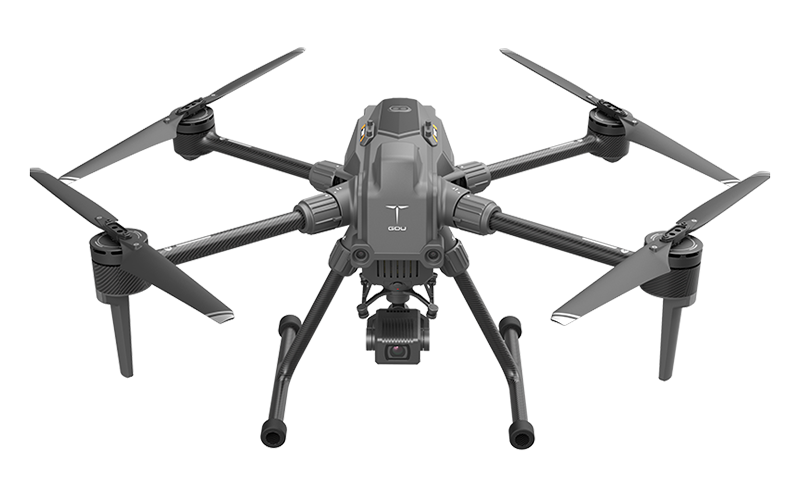 GDU
GDU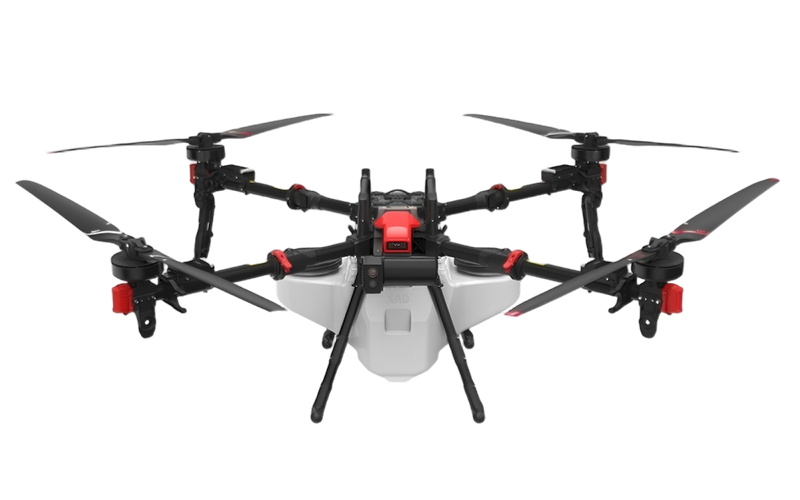 XAG
XAG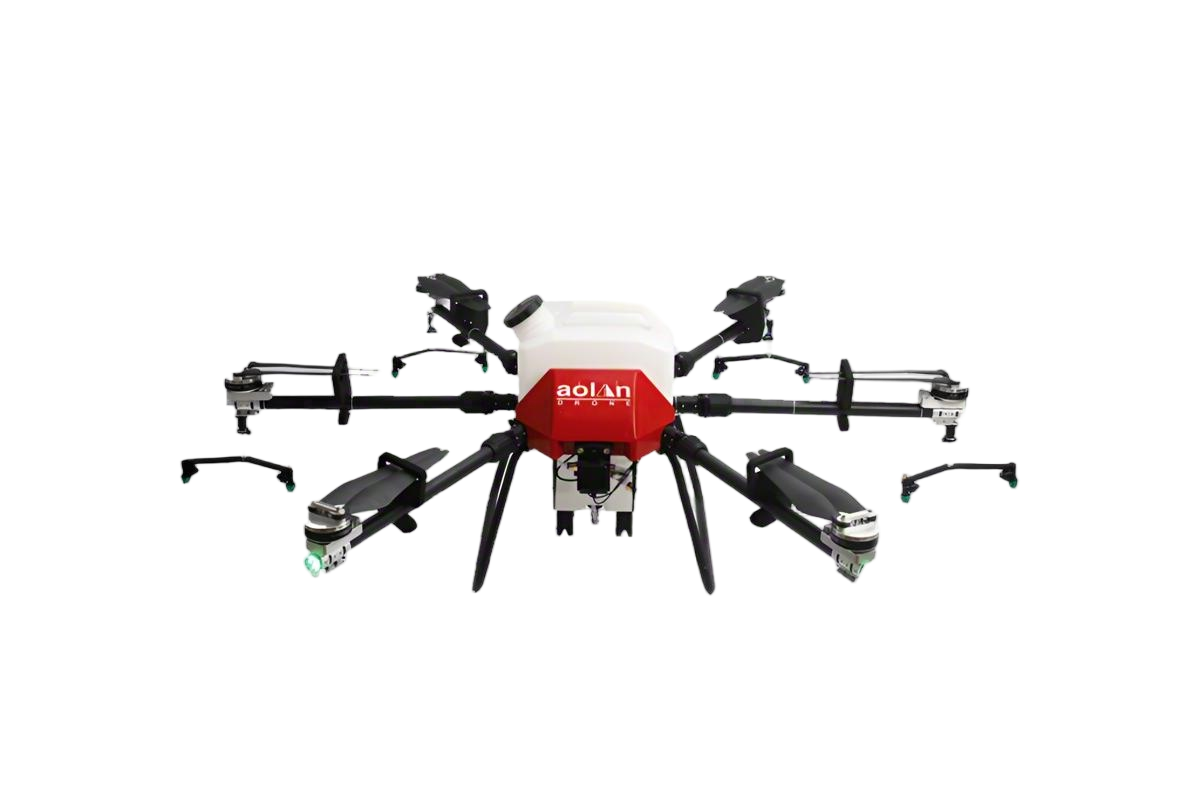 AOLAN
AOLAN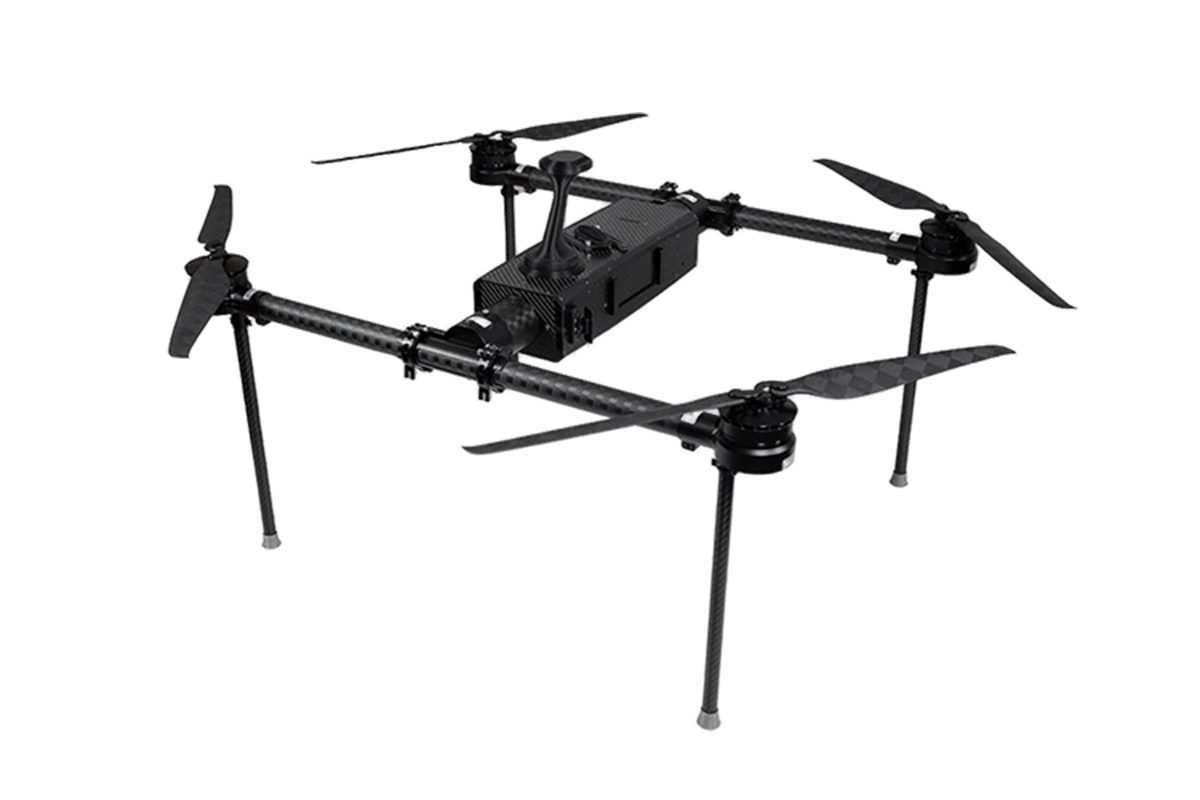 KEEL
KEEL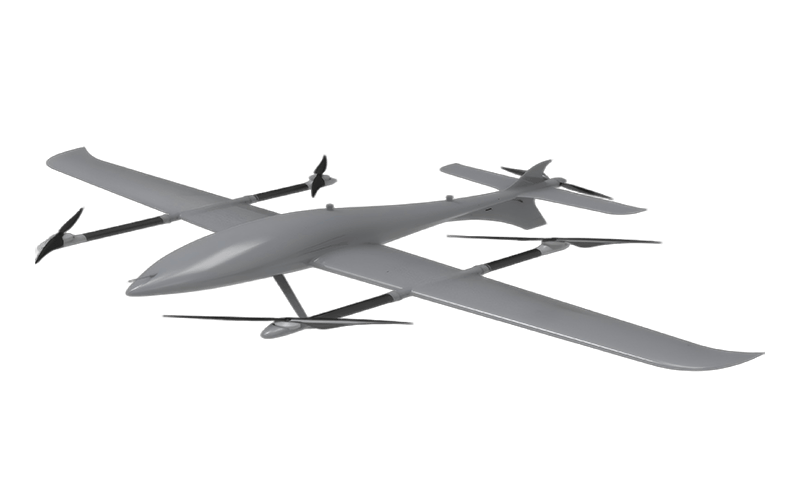 SKY NEXT
- DJI Matrice-4T
- DJI Matrice 4E Drone
- DJI Matrice 4TD
- DJI Matrice 30T
- DJI Mavic 3 Emterprise
- DJI Mavic 3M Multispectral Drone
- DJI RC 2 Plus Industry Plus
- DJI Matrice 4 Series Battery
- DJI Matrice 4D Series Batteries
- TB65 Intelligent Flight Battery
- TB100 Smart Flight Battery
- WB37 Battery
- DJI Accessories

Crop spraying drones are really changing the game in agriculture these days. I mean, they’re incredible tools that help farmers apply fertilizers and pesticides more accurately, which means they can do more in less time and cut down on waste. Ralph Anderson from EcoAgriTech put it nicely when he said, “Crop spraying drones basically let farmers cover more ground with less hassle, and they’re a big step forward for sustainability.”
You know, with food production being such a huge deal right now, tech like this really makes a difference. These drones are not just about saving time—they’re transforming old-school farming into something more high-tech and smart. They can even check on crop health from way up above, helping ensure chemicals are spread evenly so crops stay healthier.
That being said, it’s not all smooth sailing. Farmers do need to get used to these new gadgets and follow the rules, which can be a bit overwhelming at first. Plus, buying these drones isn’t cheap, and not everyone has the budget right off the bat. But honestly, when you weigh the pros and cons, the benefits tend to outweigh the challenges. As more farmers jump on board, I really believe the future of sustainable farming looks pretty bright and promising.

Benefits of Using Crop Spraying Drones in Agriculture
The adoption of crop spraying drones is transforming agriculture. These drones enhance efficiency in applying fertilizers and pesticides. According to a report by MarketsandMarkets, the global agricultural drone market is expected to reach $6.5 billion by 2026. This growth indicates a rising trend in drone usage for crop management.
Drones can cover up to 100 acres per hour, far surpassing traditional methods. This capability reduces labor costs significantly and ensures precise application. A study published in the International Journal of Agricultural Science reported that drone-assisted spraying can decrease chemical use by up to 30%. This reduction not only saves costs but also minimizes environmental impact.
Despite these benefits, challenges exist. Some farmers may lack knowledge about drone technology. Additionally, high initial costs can deter adoption among smaller farms. Mixed results in yield improvement also prompt further investigation into optimal usage practices. Farmers must weigh these factors before fully integrating drones into their operations. The potential for efficiency and sustainability remains significant, yet careful consideration is crucial for successful implementation.
| Benefit | Description | Use Case |
|---|---|---|
| Increased Efficiency | Drones can cover large areas quickly compared to traditional methods. | Large scale farms, vineyards, and fields. |
| Precision Agriculture | Allows for accurate targeting of pesticides and fertilizers. | Application of nutrients only where needed. |
| Reduced Labor Costs | Minimizes the need for manual labor in crop spraying. | Operations requiring large labor forces. |
| Environmental Benefits | Lowers chemical usage by applying exact amounts necessary. | Sustainable agriculture practices. |
| Monitoring Crop Health | Equipped with sensors, drones can detect health issues early. | Health assessment over vast fields. |

Innovative Solutions: Enhancing Agriculture with the High-Efficiency Carbon Fiber AL4-50 Sprayer Drone
The agricultural sector continually strives for innovative solutions to enhance efficiency and yield, and high-efficiency carbon fiber drones like the AL4-50 sprayer are leading the charge in this revolution. These drones are specifically engineered for precision crop care and are invaluable for their capacity to cover large-scale field operations with minimal resource waste. According to a report from the International Society for Precision Agriculture, drone technology can increase crop yields by up to 15% while significantly reducing pesticide usage by 30% when compared to traditional spraying methods.
The use of carbon fiber in the construction of the AL4-50 sprayer drone not only ensures a lightweight design but also enhances durability and performance, making it ideal for challenging agricultural environments. The drone's advanced spraying technology is capable of delivering targeted applications, which not only protects the crops but also contributes to environmental sustainability by minimizing chemical runoff. A survey conducted by the Agricultural Robotics Research Institute indicated that more than 70% of farmers using drone technology reported improved operational efficiency and crop health.
As precision agriculture continues to evolve, the integration of high-efficiency drones will play a crucial role in meeting the increasing global demand for food. The data from the Food and Agriculture Organization projects that agricultural production needs to increase by 60% by 2050 to feed the growing population. By utilizing advanced tools like the carbon fiber AL4-50 sprayer drone, farmers can optimize their production practices, ensuring that they meet these ambitious agricultural goals while also addressing concerns related to sustainability and resource management.

FAQS
: Crop spraying drones improve efficiency in applying fertilizers and pesticides. They cover large areas quickly, reducing labor costs.
Drones can cover up to 100 acres per hour, significantly surpassing traditional spraying methods.
Yes, drone-assisted spraying can decrease chemical use by up to 30%, minimizing environmental impact.
Some farmers may not know how to operate drones. High initial costs can also discourage smaller farms.
Drones simplify the spraying process, allowing farmers to allocate their workforce better and boost overall efficiency.
Yes, mixed results in yield improvements prompt further investigation into the best practices for drone usage.
While initial costs are high, long-term savings from reduced labor and chemical costs make them cost-effective.
Proper handling, maintenance, and continuous training for drones are critical for their effective use.
Yes, drones can operate autonomously, which helps free up labor for other critical farm tasks.
Farmers must weigh benefits against the learning curve and costs before adopting drone technology.
Conclusion
Crop spraying drones have emerged as a transformative technology in agriculture, offering numerous benefits that enhance farming practices. These drones improve efficiency in crop management by enabling precise application of pesticides and fertilizers, which not only saves time but also reduces labor costs. Additionally, the use of crop spraying drones contributes to significant cost reductions, allowing farmers to optimize their resources effectively.
Furthermore, these drones play a vital role in precision agriculture, ensuring that pesticides are applied accurately and only where needed, which minimizes waste and environmental impact. This technology encourages sustainable farming practices by reducing chemical runoff and promoting better soil health. While there are regulatory considerations to navigate regarding drone usage in farming, ongoing innovations in crop spraying drone technology promise to further enhance agricultural productivity and sustainability in the future.
Related Posts
-

Top 10 Benefits of Using Agrispray Drones in Agriculture?
-

Discover the Best Farm UAVs for Efficient Agriculture Solutions?
-

Top 5 Fertilizer Drone Options for Efficient Agriculture?
-

What is an Agriculture Sprayer UAV and How Does it Revolutionize Farming Practices
-

Top Farm UAVs Tips for Maximizing Your Crop Yields?
-

Top Agriculture UAV Trends for 2026 What You Need to Know?
