 GDU

 UUUFLY
 DJI
 MMC
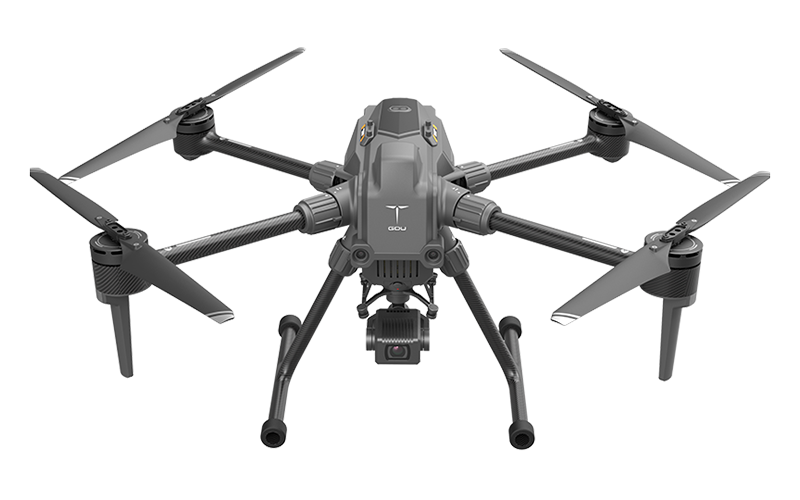 GDU
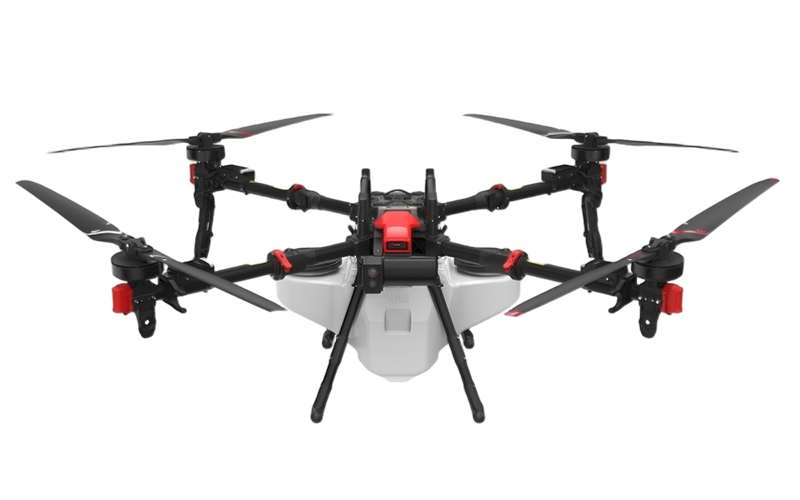 XAG
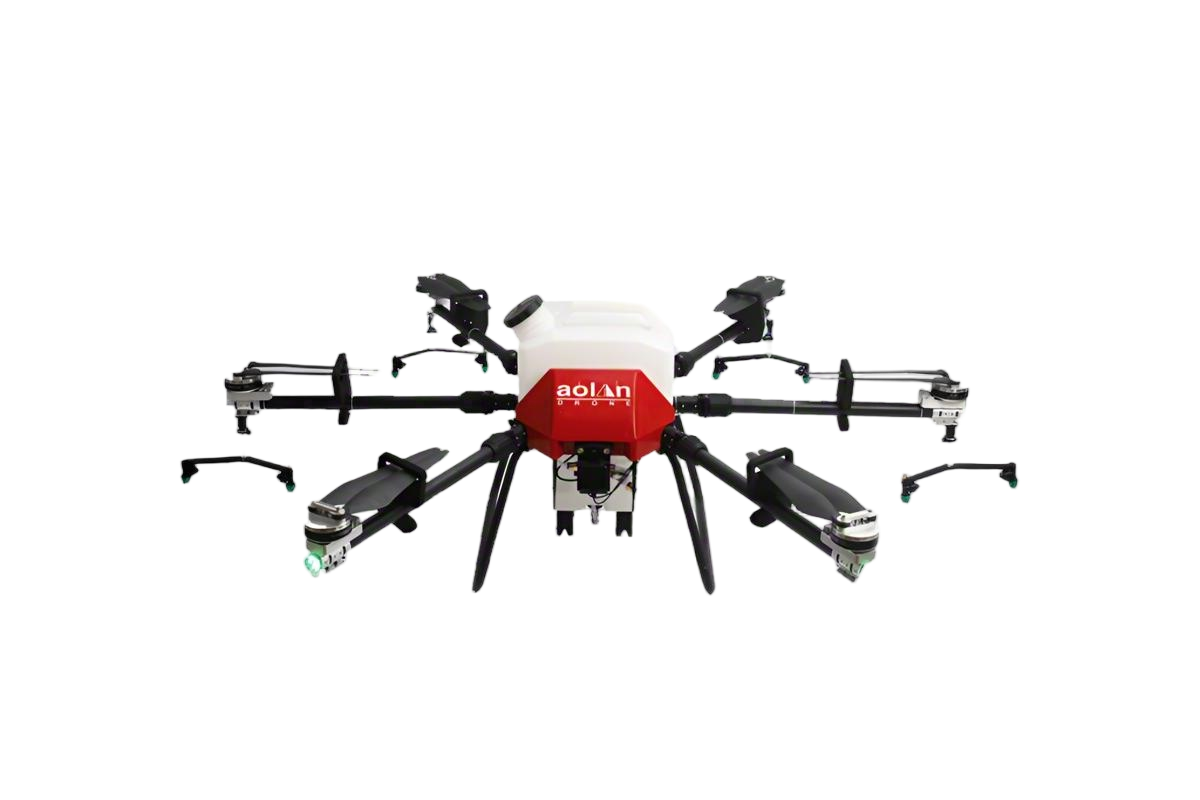 AOLAN
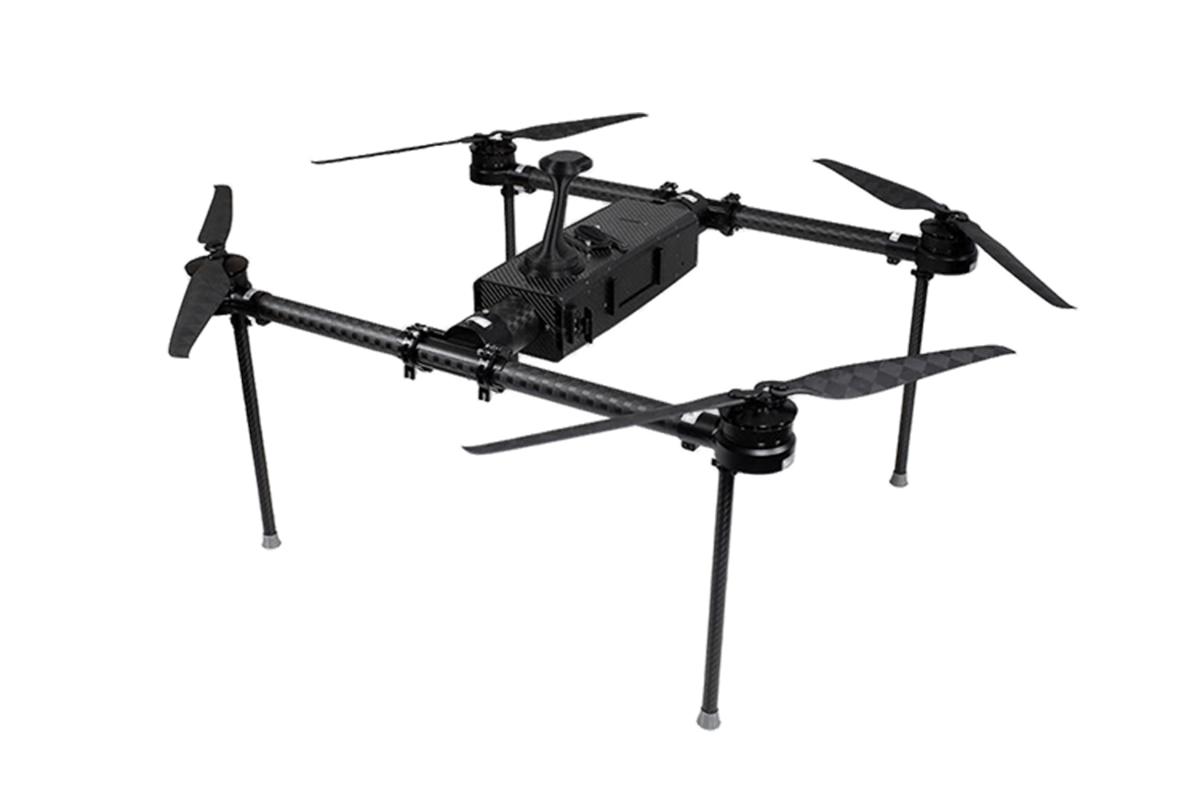 KEEL
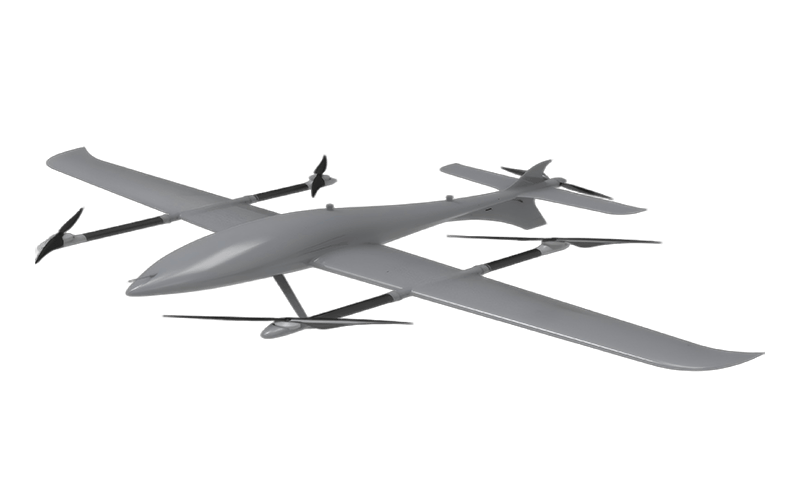 SKY NEXT
- DJI Matrice-4T
- DJI Matrice 4E Drone
- DJI Matrice 4TD
- DJI Matrice 30T
- DJI Mavic 3 Emterprise
- DJI Mavic 3M Multispectral Drone
- DJI RC 2 Plus Industry Plus
- DJI Matrice 4 Series Battery
- DJI Matrice 4D Series Batteries
- TB65 Intelligent Flight Battery
- TB100 Smart Flight Battery
- WB37 Battery
- DJI Accessories

Blog

What Are the Best Business Drones in 2026?
Alright, so you're looking for the best business drone in 2026? Here's the thing – it's not really about the flashiest specs or the coolest features. It's about what you're actually gonna use it for. I mean, think about it: a roof inspector probably wants rock-solid, close-up imaging that doesn't wobble, while a survey crew needs consistent mapping and data they can rely on. And if you're into agriculture, you're probably more concerned with flight time, camera options, and how easy it is to fix in the field – top speed is kind of irrelevant. Honestly, there's no one-size-fits-all answer here.
So, you're diving into the world of drones, huh? This guide compares some big names—DJI, Parrot, Skydio, Wingtra, Freefly—but just so you know, the exact models and specs can change faster than you think. We're not just about pretty pictures in the sky either. We're digging into image quality, how they handle in the air, payload capacity, software, how much training you'll need, service and support, and the total cost of ownership—yeah, not just the sticker price. Here's the kicker: a drone that saves you five minutes in flight can still eat up hours if the data is a pain to process later. That's a detail that's super easy to overlook, trust me on that.
So, these comparisons? They're meant to help buyers match the gear to real tasks – from checking out a warehouse roof to documenting a construction site. But don't take them as gospel – you still need to check current manufacturer specs and test the system with your own workflow. Before you buy, double-check that the aircraft, accessories, training, and your planned operations all meet the necessary aviation, privacy, and workplace regulations. At the end of the day, a careful shortlist beats an exciting guess every time.
Read more »
 By:Emily
- October 29, 2026

What Are the Best Commercial UAV Solutions from China?
You know, China's become a huge player in commercial drones—they're used for everything from surveying and farming to construction, logistics, and even emergency response. The manufacturers over there pack together compact airframes, gimbaled cameras, smart software, and a solid service network. But here's the thing: picking the right drone isn't just about comparing flight times or camera megapixels. There's a lot more to it than that.
Frank Wang, the guy who started DJI, basically hits the nail on the head when he says, “The drone is a platform, and it can be used for many different things.” And honestly, that idea still holds up. Here's the thing though: a commercial UAV needs to actually fit into how you work, not just look good on paper with a bunch of flashy specs. Take a look at DJI, XAG, Autel Robotics, JOUAV, and EHang—they each bring something different to the table, whether it's top-notch imaging, precision ag, long-endurance inspections, or even pushing into urban air mobility. But don't go thinking you can just swap one for another, because that's not how it works. Different tools for different jobs, right?
Look, you can talk about specs and marketing all day, but the real evaluation happens on site. Can that thing hold its position right next to a 120-meter bridge? Can its camera actually spot a cracked insulator at dawn, when the light's tricky? And what about swapping batteries in the rain and dust—do technicians have to wrestle with it? These are the details that matter way more than the shiny brochures. Plus, you've got to think about data security, pilot training, maintenance support, export controls, and local rules—those can be deal-breakers. So at the end of the day, the best choice isn't always the newest model.
Look, some of these solutions are pricey – like, really pricey. And then others, they just don't play nice with your existing software unless you invest in some serious integration work. Battery life is still a big sticking point, especially when you're out there doing inspections in freezing temperatures – that's when the range just tanks. So, from my perspective, you really need to put these things through their paces before you sign anything. Have the vendor demo actual missions, not just a scripted show. Independent tests, real performance data, and transparent support terms? That's what actually counts, not all the marketing fluff. This guide takes a look at some of the leading commercial UAV solutions coming out of China. But I do want to flag one thing though: product availability and compliance requirements aren't set in stone—they can vary by region and shift over time. So just keep that in the back of your mind while you're reading.
Read more »
By:Emily
- October 27, 2026

2026 Top Types of Logistics Drones for Global Buyers
Global logistics is pretty much moving into a real-world drone phase now. For buyers, it’s no longer just about how far a drone can fly or how much it can carry. They’re also weighing things like route autonomy, how well it handles bad weather, battery swapping, software integration, and the service support behind it. That’s where this guide comes in: “2026 Top Types of Logistics Drones for Global Buyers.” It breaks down the main categories for international procurement teams—and keeps the focus on lawful, civilian uses and business value you can actually measure.
Raffaello D’Andrea—co-founder of Verity and a pretty respected robotics researcher—put it well when he said, 'The future of robotics isn't about replacing humans; it's about augmenting them.' And honestly, that idea fits today's logistics drones perfectly. Delivery drones can shuttle small parcels between distribution centers and customers nearby. Cargo drones? They can handle heavier loads in remote industrial areas. Then there are warehouse drones, which scan inventory, keep an eye on storage zones, and cut down on all that manual counting. So, inspection drones? They can take a look at roofs, yards, and all sorts of infrastructure—and honestly, they do it with a lot less disruption to whatever's going on.
Honestly, performance still depends a lot on local conditions. Wind can mess with flight plans, and cold weather? That can cut battery endurance pretty quickly. So a perfect demo doesn't always mean it'll hold up over a full year of operation. The market's still pretty uneven, too. Some systems offer impressive autonomy, but their maintenance networks are limited. Others have reliable hardware, yet the software integration side is weaker. So before they sign anything, global buyers really ought to dig into pilot data, training procedures, how easy it is to get spare parts, cybersecurity controls, and regional support. Honestly? The best option might not be the fastest drone. It could be the one that just keeps performing, day after day, alongside real workers, real shelves, and real delivery schedules.
Read more »
 By:Charlotte
- October 24, 2026

What Are the Best Commercial UAV Solutions from China?
China's commercial drone sector has come a long way from just taking aerial photos. These days, Commercial UAV Solutions are used for all kinds of work—surveying, agriculture, inspections, logistics research, and emergency response. DJI Enterprise is pretty much the go-to name when it comes to integrated aircraft, cameras, and mapping software. Autel Robotics also offers enterprise platforms, and they're known for strong imaging capabilities. Then there's XAG, which leans heavily into agricultural automation. JOUAV develops long-endurance unmanned aircraft for professional surveying and monitoring work. And honestly, companies like these tend to serve pretty different operational needs—there's no one-size-fits-all market here.
Picking the right platform really comes down to what you need it to do day to day. Take a construction crew—they might care most about centimeter-level mapping, spotting obstacles, and moving data quickly. A farm operator? Their list could look pretty different: consistent spraying, following the terrain, and maybe how fast the battery can be swapped or recharged. Utilities, meanwhile, often want thermal cameras, secure workflows, and flight plans they can repeat without reinventing the wheel. And then there’s EHang, which sits in a whole other category—it’s exploring autonomous aerial mobility, but under regulated conditions. Honestly, when you see performance claims, don't just take them at face value. Check them against independent testing, local approvals, pilot training, weather limits, and after-sales support. Specs on their own? Yeah, they can be pretty misleading.
So, this guide looks at some of the top Chinese commercial UAV solutions—but through the lens of real business needs. Honestly? Field experience is what really counts. A drone can quickly lose productivity because of wind, dust, spotty connectivity, or batteries that charge too slowly. And sure, a product might look great in a demo, but out at a remote worksite it can behave very differently. A fair evaluation should also cover total ownership cost, maintenance, software compatibility, data governance, and replacement parts. Honestly, a lot of what gets published still reads like a sales pitch, and actual results? They can vary quite a bit. That kind of uncertainty is worth paying attention to. And the best choice isn't necessarily the newest or the priciest one. It's the platform that actually fits your mission, what your staff can realistically handle, and whatever legal operating conditions you're dealing with.
Read more »
By:Charlotte
- October 22, 2026

How to Choose Enterprise Drones for Your Business?
Picking the right Enterprise Drones can shape safety, efficiency, and what you spend over the long haul. And honestly? The best model is rarely the newest one. It has to fit your actual environment, your workforce, and the goals of your business.
A construction company might need high-res imaging for roofs, bridges, and progress reports. An energy provider may care more about thermal sensors, stable flight, and inspection records it can trust. Agricultural teams often value endurance, mapping accuracy, and data workflows that are simple to use. Those differences matter. A drone that performs great in open fields can struggle near buildings, power lines, or weather that won't sit still.
Experienced buyers should look past camera quality. Think about flight time, payload capacity, obstacle detection, maintenance, software compatibility, and operator training. Also check how the manufacturer handles firmware updates, tech support, replacement parts, and data security. Demos are useful, sure, but controlled tests can hide real-world problems. Ask for field trials under realistic conditions.
Safety is still the center of it all. Make sure operations can follow the aviation rules that apply, privacy requirements, workplace procedures, and local restrictions. Legal duties vary by location. You may need professional guidance before you deploy.
Budget matters, of course. But the lowest purchase price can get expensive later. Batteries, insurance, training, storage, and repairs all deserve a clear estimate. No guide can predict every operational challenge. We might still miss a hidden cost or an overlooked workflow. That's why careful testing and documented feedback should shape the final call. The right Enterprise Drones solution should solve a measurable problem, support responsible operations, and stay practical as the business grows.
Read more »
 By:Sophia
- October 19, 2026

Why Are Business Drones Essential for Global Buyers?
Business drones are turning into genuinely practical tools for buyers around the world. The appeal is simple: faster, safer, and more measurable operations. They can handle aerial inspection, infrastructure surveys, agricultural monitoring, warehouse management, and emergency planning. For example, a drone can snap an image of a bridge before a technician even gets there. Or map crop stress across a large field in a matter of hours. Those little details add up, helping companies cut delays and get a clearer view of what's happening day to day.
That said, choosing business drones isn't just about comparing camera pixels or flight distance. Experienced buyers know to dig deeper—payload capacity, battery performance, data security, maintenance access, training needs, and local operating rules all matter. A reliable supplier should give you clear specs, testing records, technical support, and documented quality procedures. And yes, it's fair to ask for demos under realistic conditions: strong wind, low temperatures, dusty industrial sites. What looks good in a brochure often isn't the whole story.
The right solution really depends on the job. A logistics company might care most about route accuracy and obstacle detection. An energy provider may need thermal imaging and stable flight control. A construction team could prioritize mapping software and repeatable survey results. Not every expensive model delivers better business value—sometimes a simpler platform is just more practical. That's easy to overlook.
Global procurement also means dealing with communication, spare parts, software updates, and long-term service commitments. A promising product can become a headache if support isn't available across time zones. So buyers should compare total ownership costs, not just the purchase price. They should also confirm that operations follow applicable aviation, privacy, and workplace requirements. Business drones have real potential, but careful evaluation still matters. The technology is moving fast, yet some decisions still need patience and human judgment.
Read more »
By:Emily
- October 17, 2026

What Are the Top 10 Agricultural Drones for Buyers?
So yeah, ag drones are changing the way growers check fields, spray approved treatments, and deal with rough terrain. But picking the right aircraft? Not just a matter of comparing flight time or camera resolution. You have to think about crop type, field size, payload capacity, battery systems, software, training, and whatever local operating rules apply.
This guide looks at ten leading options from names like DJI, XAG, Parrot, AgEagle, Sentera, and Wingtra. Each one does something a little different. A spray drone might be great for rice paddies or steep vineyards, while a fixed-wing mapping setup could be the better call across big wheat fields. Some systems give you centimeter-level positioning, multispectral imaging, or terrain-following. Others keep things simple and cheaper to run.
Real farm conditions don't always play nice, either. Wind shifts out of nowhere. Mud slows down a battery swap. That shiny spec sheet can lose some of its shine after a full day in the field. And that matters.
This comparison digs into flight endurance, usable payload, sensor quality, automation, maintenance, data workflows, and manufacturer support. It also looks at ownership costs, because the sticker price rarely tells the whole story. Software subscriptions, spare batteries, repairs, and operator training can all reshape the final investment. No drone is perfect. The goal here is to make the trade-offs clearer, using practical buying questions instead of exaggerated claims. Still, before you buy, double-check current specs and your region's requirements.
Read more »
By:Emily
- October 15, 2026

What Is a Crop Drone and How Does It Work?
A Crop Drone isn't just a flying camera hovering over a field. It's an agricultural aircraft built to collect, analyze, or apply information with some seriously unusual precision. Its propellers lift the platform over the rows, while multispectral cameras pick up differences the human eye can't see. Some models carry tanks and spray systems. Others create detailed crop maps after every flight.
So why is this technology getting so much attention? Market data helps explain. MarketsandMarkets projects the agricultural drones market will grow from about USD 1.3 billion in 2023 to USD 3.6 billion by 2028. Grand View Research also reports strong expansion, though its figures differ because its research scope is broader. That difference matters. Market estimates are useful, sure, but they're not field results.
Agricultural drone specialist Robert Blair described drones as 'a tool, not a silver bullet.' That distinction is important. A drone can reveal dry patches, pest pressure, or uneven emergence. It can't understand every soil condition without human judgment. A pilot still has to plan the route, check wind speed, calibrate sensors, and interpret the images beside real plants. Tiny details matter too, like a missing nozzle or a battery that loses power before the final row.
This guide explains what a Crop Drone is and how it works. It walks through the process from takeoff to data analysis. It also looks at spraying, mapping, safety, and practical limitations. Results can be impressive. They can also be incomplete. Weather, crop height, lighting, and operator experience still shape the outcome.
Read more »
By:Charlotte
- October 12, 2026

10 Tips for Choosing Industrial UAVs for Global Buyers
Industrial UAVs? They’re not just toys anymore—they’re practical tools for inspection, mapping, construction, agriculture, energy, and emergency planning. But picking one for use around the world isn’t like adding something to your cart online. A drone that handles an Australian mine beautifully might really struggle in Arctic winds, muggy forests, or crowded European infrastructure.
Drone Industry Insights keeps reporting growth in the commercial drone market, mainly thanks to inspection, surveying, and public-safety work. Grand View Research points to rising demand too—autonomous flight, high-res imaging, data-based services, that sort of thing. Those trends matter, sure. But market growth by itself doesn’t justify a purchase. You’ve got to think just as hard about battery endurance, payload capacity, weather resistance, positioning accuracy, cybersecurity, maintenance, and local support. Honestly, the priciest mistake is often buying flashy specs without a clear operating plan.
Chris Anderson, former CEO of 3D Robotics, once called drones “the next smartphone.” It’s a useful comparison, though it doesn’t tell the whole story. Industrial UAVs aren’t consumer gadgets. They’re aircraft, sensors, software platforms, and service commitments rolled into one. This guide looks at ten practical selection points for global buyers—things like mission design, regulatory readiness, total ownership cost, data protection, and supplier reliability. The FAA, EASA, and regional authorities all publish different operating requirements, so there’s no single global purchasing formula that fits every market. That limitation is worth admitting.
A solid decision starts with the field conditions, not the brochure. Picture the site: dust getting into motors, rain covering lenses, technicians waiting on batteries, and data moving across borders. Those little details often decide whether an Industrial UAV actually delivers value—or turns into expensive equipment sitting in storage.
Read more »
By:Sophia
- October 9, 2026

China Top 10 Surveying Drone Manufacturers Worldwide
China has definitely become a major hub for professional aerial mapping and geospatial tech. Its manufacturers work with construction, mining, agriculture, infrastructure, and environmental survey teams all over the world. This introduction takes a look at China’s top 10 Surveying Drone manufacturers—and yes, the focus is on real-world performance, not just marketing claims.
When putting the list together, I looked at things like flight stability, camera and LiDAR integration, mapping accuracy, software compatibility, battery life, after-sales support, and international deployment experience. DJI, JOUAV, XAG, EAVISION, FJDynamics, CHCNAV, Hi-Target, and other established names each take a different approach to professional surveying. Some lean toward compact field operations. Others build long-endurance fixed-wing platforms for big corridors and remote terrain.
Field experience matters. A drone can shine in a factory demo and then struggle with wind, dust, weak signals, or uneven ground control. Survey teams also need data workflows that make sense, dependable calibration, and export options that play nicely with the GIS software they already use. Small details matter. A delayed battery shipment can bring an entire project to a stop.
As Chris Anderson, former CEO of 3D Robotics, once observed, “Drones are going to be the next major platform.” That line helps explain why the industry keeps growing, though surveying demands more than just a flying platform. It needs repeatable measurements and accountable processing.
No ranking is ever perfectly neutral. Regional support, project scale, and payload choices can all change the result. And some public specifications are just hard to compare directly. That’s a weakness worth admitting. So this guide lays out useful evidence, visible capabilities, and practical limitations, helping readers size up each Surveying Drone manufacturer with clearer expectations.
Read more »
By:Emily
- October 6, 2026

China Top 10 Fertilizer Drone Manufacturers
China’s fertilizer drone scene has really evolved—moving from those early experiments to actual, real-world farm use. In this guide, we’re gonna take a look at the top 10 fertilizer drone manufacturers in China, based on their practical performance, engineering smarts, and how well they support users after the sale.
We’re talking about companies like DJI Agriculture, XAG, JTI, Hanhe, EFT, TopXGun, TTA, Aolan, Zoomlion, and XAircraft. Each of these brands has its own strengths—whether that's payload design, route planning, spreading control, or how they handle batteries. A good fertilizer drone should spread granules evenly—even when the fields are bumpy or tricky—and it should fly steadily, give clear operating data, and be easy to maintain.
But let’s get real—numbers only tell part of the story. For example, a drone with a 20-kilogram hopper might sound pretty impressive, but how fast it loads and how far it needs to go to refill are just as important. If it doesn’t spread evenly, you’ll see stripes of fertilizer in your field, and wind can blow materials out of the intended rows. Plus, factors like battery temperature, obstacles in the field, and how well operators are trained all shake things up. Every farm is different, after all.
This overview pulls together specs, info from manufacturers, feedback from dealers, and common farming scenarios. But it’s important not to take marketing claims at face value—independent testing is a must, especially when it comes to spreading accuracy and how durable the drone is over time. Sometimes the numbers can be a bit misleading. A drone that flies more often isn’t necessarily better coverage, and a cheaper model might need more repairs.
When choosing, you should consider things like operating costs, local support, training quality, and whether it meets local regulations. The best pick really depends on your crop type, farm size, terrain, the type of fertilizer you’re using, and available labor. Keep in mind—things are always changing. Manufacturers keep updating hardware and software, so today’s top model might be replaced or improved tomorrow. That’s why a solid decision really comes down to combining good tech info with real-world field trials. It’s all about making a smart, tailored choice that works for you.
Read more »
By:Sophia
- October 3, 2026

China Top 10 Crop Drone Manufacturers for Global Buyers
Crop drone technology is really moving out of the experimental phase and into actual daily farm work. These days, farmers are using aerial platforms for all sorts of things—checking out crops from above, doing multispectral mapping, targeting specific areas for spraying, and collecting field data. But here’s the thing: small details like battery life, nozzle control, terrain following, software support, and local service can make the difference between a drone saving you time or just causing new headaches.
According to the Food and Agriculture Organization, we need to boost food production by about 50% by 2050 just to keep up with global demand. Meanwhile, reports from MarketsandMarkets suggest the agricultural drone market is set for pretty strong growth through 2028. That’s mainly driven by shortages of labor, the push for precision farming, and stricter resource management. But don’t get carried away—these are just numbers showing momentum, not guarantees. Whether farmers actually adopt this tech depends on things like farm size, what crops they grow, weather conditions, training, and local rules.
Professor Simon Blackmore, who’s a pretty big name in agricultural robotics, summed it up nicely: ‘The future of agriculture is robotic.’ It’s a good point, but not the whole story. A crop drone alone can’t replace good old-fashioned judgment, regular maintenance, or careful spotting of issues in the field.
In this guide, we’ll take a look at China’s top 10 crop drone manufacturers—think DJI Agriculture, XAG, JTI, EAVision, and a few others. We’re comparing them based on flight capabilities, payload designs, how autonomous they are, data management systems, manufacturing experience, export support, and after-sales service. Some companies might seem pretty impressive on paper, but in the real world, results can be totally different. That’s a gap worth paying attention to. When you’re making a buying decision, it’s smart to check out demo videos, read independent reviews, see if spare parts are available, and understand what kind of operator training they offer. Also, remember that fancy specs aren’t everything—actual farms are bumpy, wet, dusty, and often less cooperative than glossy brochures make them seem.
Read more »
By:Emily
- October 1, 2026

10 Construction Drones Buying Tips for Global Buyers?
When you're shopping for construction drones for international projects, it's not just about grabbing the one with the longest flight time. Honestly, a drone that works great on a dry, straightforward highway site might totally struggle on a windy, coastal job. Buyers around the world really need to connect the technical specs with what they actually face day-to-day on the construction site.
In this guide, I’m sharing ten practical tips to consider when buying construction drones. These tips are based on real-world use—like surveying, tracking progress, measuring stockpiles, and inspecting sites. Make sure you check out the camera quality, obstacle avoidance features, positioning accuracy, battery life, weather resistance, and payload capacity. Don’t forget to look into the controller’s range and how data is stored. Sometimes, tiny details can trip you up—like a weak charger that ends up delaying your morning inspection altogether.
Getting a reliable drone isn’t just about reading a product brochure. It’s smart to ask your supplier for test footage, verified accuracy reports, maintenance instructions, software compatibility info, and training options for operators. Also, confirm if local support, spare batteries, and replacement parts are available in your area. Be extra mindful of import rules, radio-frequency regulations, privacy laws, and workplace safety standards in the regions where you’ll be operating. These things can end up costing you much more than the drone’s initial price.
And honestly, there’s no such thing as a perfect drone. A cheaper model might be fine for simple visual checks, but if you need detailed mapping and precise positioning, you’ll want something more powerful and with better software. Plus, don’t get caught up thinking automation will do all the work for you. Automated flight plans still require human eyes—especially around cranes, power lines, workers, or if the site conditions change quickly. Even experienced teams can overlook limitations during demos. That’s why it’s a good idea to run a controlled trial, get everything in writing, and have a clear budget in mind before making the final call.
Read more »
By:Emily
- September 29, 2026

How to Choose the Best Spray Drone for Your Farm?
Picking the right spray drone for your farm isn’t just about going for the biggest tank or the flashiest brochure. It all starts with understanding what you actually need it to do. For example, a small orchard, a large open field, or uneven terrain each calls for different features. Think about how much acreage you’ll cover daily, how tall your crops are, how easy it is to refill, when you’ll need to swap out batteries, and who’s going to be flying it. Little details really do matter — like if your refill point’s far from the field, what should be a quick flight could turn into a slow, frustrating day.
Dr. John Fulton, a well-known expert in precision farming, always emphasizes that technology should support smarter decision-making, not just look good on paper. Basically, it's about choosing tools that help you make better choices, not just ones with fancy specs. When you're comparing options, pay attention to things like flight planning, spray controls, obstacle detection, support services, and data management. It’s a good idea to ask your suppliers for clear specs and, if possible, see a demo in conditions similar to your farm. Also, make sure spare parts and trained support are actually available — there’s no point in having a feature if you can’t keep it running.
There’s no one-size-fits-all winner here. A drone that works perfectly on a flat, open farm might feel totally out of place among trees or around tight edges. Make sure to look at the entire system — batteries, chargers, mixing process, and training — not just the drone itself. Keep notes during trial runs: how evenly it covers the field, how long it takes per hectare, how often it needs refilling, and what the operator’s workload looks like. And don’t be afraid to question your assumptions; for example, bigger capacity might mean fewer trips, but it could also add weight and make handling trickier. The best spray drone is the one that reliably fits your crops, terrain, and daily routines — and that can adapt as your farm evolves.
All in all, take your time and really think about what matters most for your farm’s unique needs. The right choice can make a huge difference in your operation’s efficiency and success.
Read more »
By:Sophia
- September 27, 2026

Top Fertilizer Drones for Sale in 2026?
So, come 2026, if you’re shopping for a fertilizer drone, you’ll notice that even models that look alike can perform quite differently in real life. Stuff like payload capacity, spreading width, flight time, and which granules they can handle — all of these really impact how much you can get done each day. Sure, a big hopper means fewer stops to refill, but it also makes the drone heavier at takeoff and can drain the battery faster. Details matter more than you might think. Don’t just go by the headline specs; dig a little deeper.
In this guide, I’ll walk you through what to compare when looking at fertilizer drones for sale. Things like calibration tools, application controls, how fast the batteries recharge, easy access for maintenance, and whether the dealer offers support — all those little details add up. It’s also smart to think about your actual work: the size and shape of your fields, terrain types, what kind of fertilizer you’re using, and how far the refill points are. When talking to sellers, ask for their latest specs, warranty terms, training options, and if they can provide local servicing. Keep in mind, product stocks and configurations can change pretty quickly, so always double-check the details directly before you decide.
A slick demo is great, no doubt, but it can’t show you every little issue. Make sure to ask how well the drone handles uneven spreading, windy conditions, or tricky field edges. And see if spare parts are easy to find — nothing’s more frustrating than waiting ages for a replacement. These questions might seem a bit boring, but trust me, they’re super important. No single drone will be perfect for every farm, and the cheapest option might end up costing more in the long run. Even with careful comparisons, there’s always some uncertainty — what really matters is how the system performs in your actual field, with your particular setup and operator experience. The sections ahead will give you a practical checklist, helping you really weigh the advertised features against what you’ll face day to day when applying fertilizer.
Remember, it’s all about finding the right fit for your farm — sometimes the “good enough” option with better support and realistic expectations beats the cheapest deal every time.
Read more »
By:Sophia
- September 25, 2026