 GDU
GDU
 UUUFLY
 DJI
DJI MMC
MMC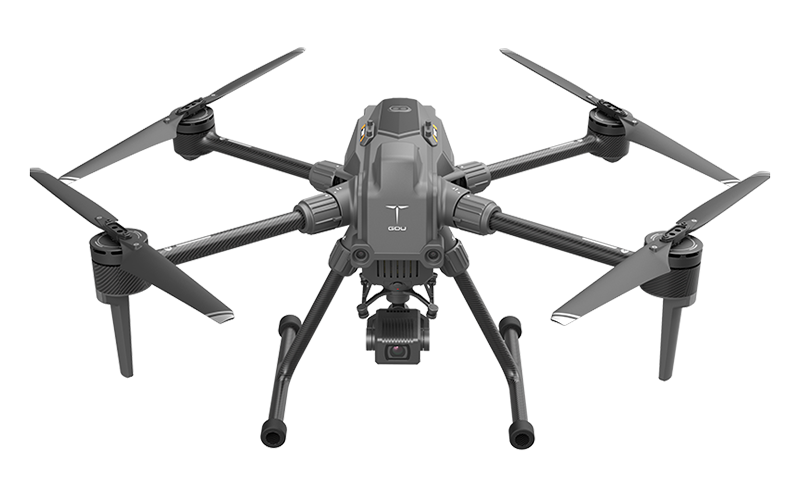 GDU
GDU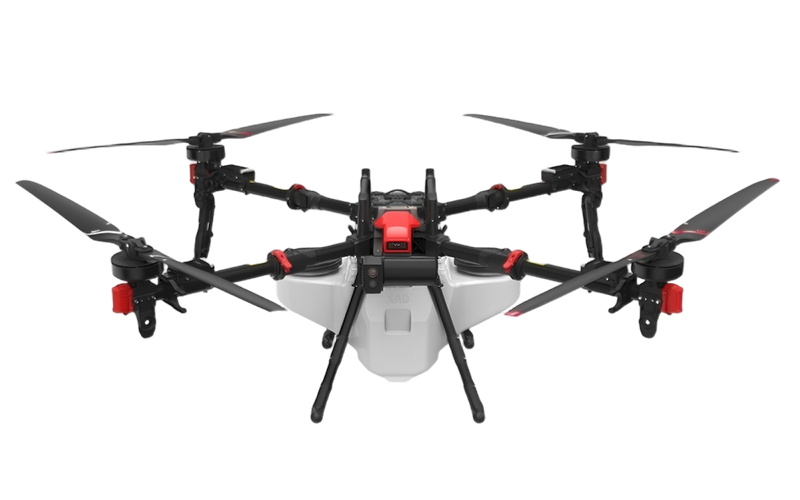 XAG
XAG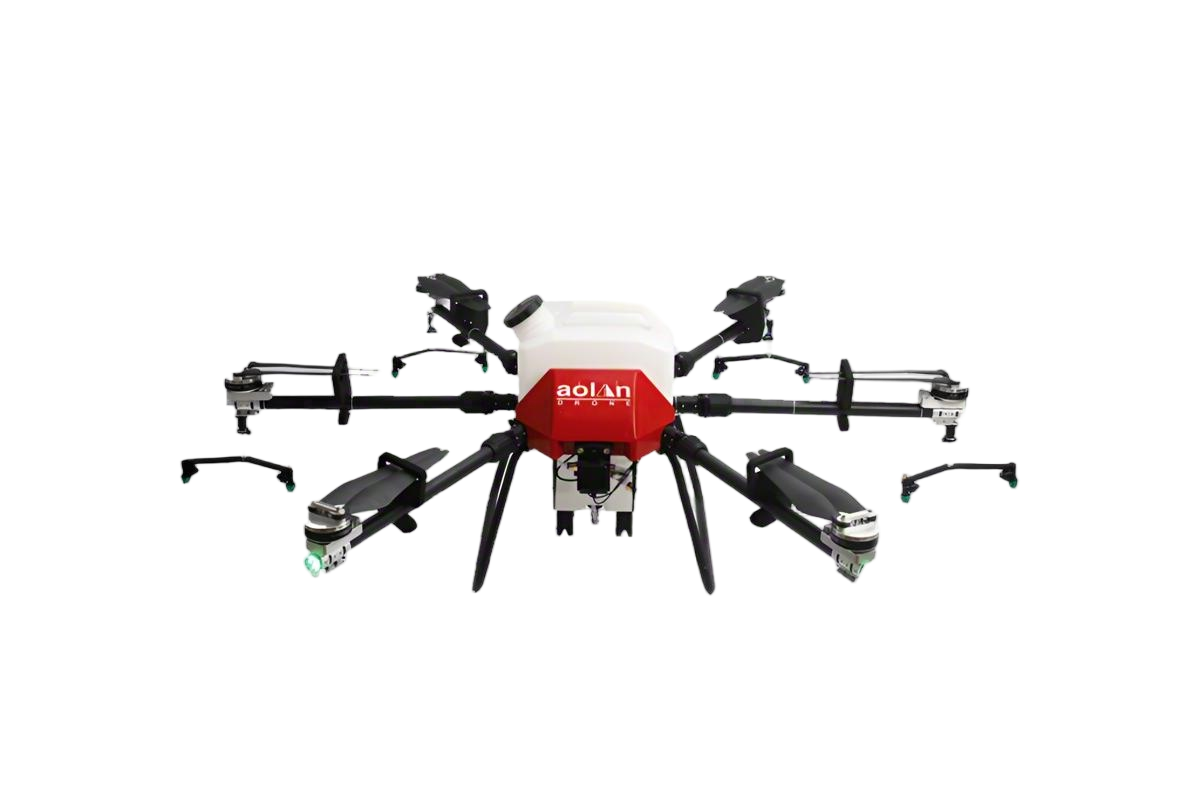 AOLAN
AOLAN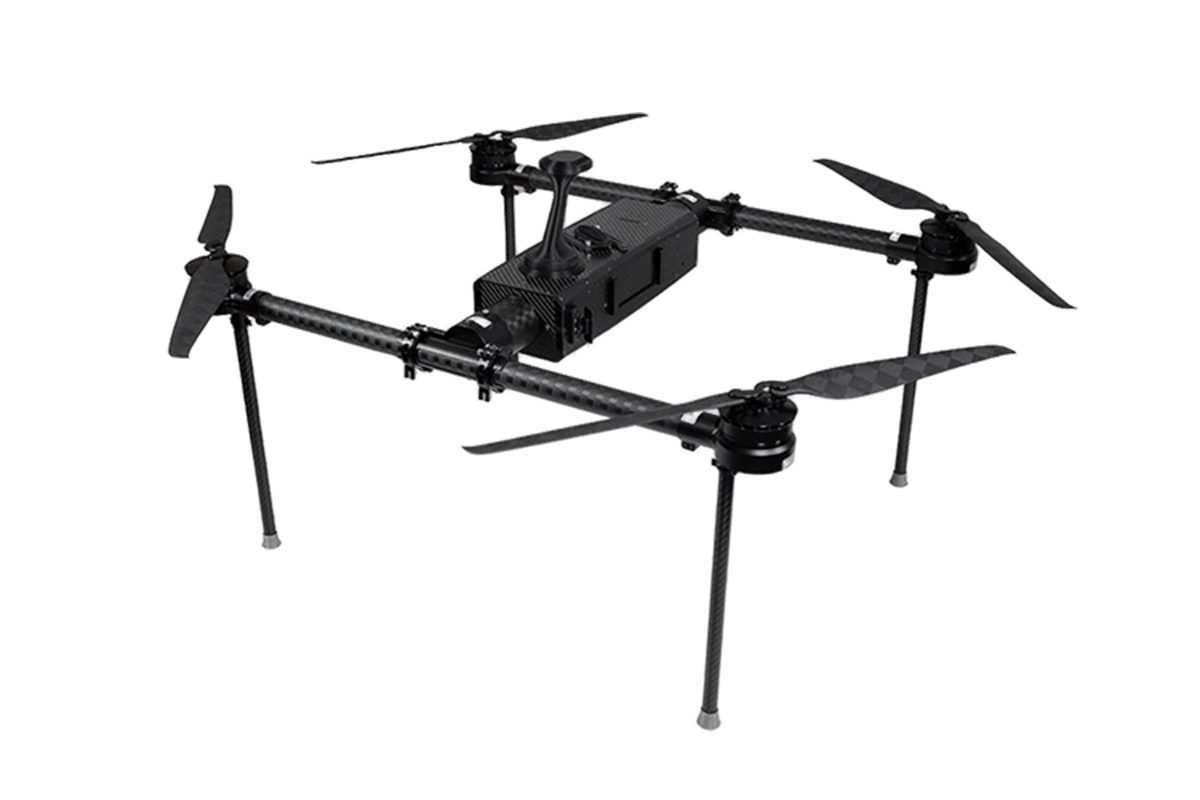 KEEL
KEEL SKY NEXT
- DJI Matrice-4T
- DJI Matrice 4E Drone
- DJI Matrice 4TD
- DJI Matrice 30T
- DJI Mavic 3 Emterprise
- DJI Mavic 3M Multispectral Drone
- DJI RC 2 Plus Industry Plus
- DJI Matrice 4 Series Battery
- DJI Matrice 4D Series Batteries
- TB65 Intelligent Flight Battery
- TB100 Smart Flight Battery
- WB37 Battery
- DJI Accessories

These days, farm work has gotten pretty high-tech, and staying on top of efficient crop management is more important than ever. Have you heard about Fertilizer Drones? They've really shaken up the old-school farming game. Thanks to advancements in tech, farmers can now sprinkle fertilizers with much greater precision and effectiveness, which is pretty awesome. Not only does this mean bigger harvests, but it also helps cut down on wasted resources.
There’s quite a few companies jumping into this space, each bringing something unique to the table. Big names like DJI and PrecisionHawk are leading the charge with their top-notch drone tech. These Fertilizer Drones can cover huge fields in no time — way faster than doing it by hand. That said, it’s not all smooth sailing; there are still hurdles, like making sure operators are properly trained and navigating the tricky maze of rules and regulations.
As these drones become more common on farms, some potential issues pop up. Cost can be a real concern. I mean, buying a drone isn’t cheap, so farmers have to weigh whether the investment will actually pay off in the long run. It’s super important to consider what each farm specifically needs. In the end, picking the right Fertilizer Drone can really boost productivity and help with sustainable farming. Doing a bit of homework on your options will help farmers make smarter choices aligned with their goals.

Overview of Fertilizer Drones in Modern Agriculture
In recent years, fertilizer drones have emerged as essential tools in modern agriculture. They enhance efficiency by allowing farmers to cover large areas quickly. According to a report by MarketsandMarkets, the agricultural drone market is projected to reach $5.6 billion by 2026, reflecting a growing reliance on technology in farming.
These drones can accurately apply fertilizers, reducing wastage and environmental impact. A study from the University of California indicated that using drones for fertilizer application can cut costs by up to 30%. Farmers can precisely target areas needing nutrients, improving crop yields significantly. However, the initial investment for these drones can be substantial. Many farmers hesitate due to financial constraints, which can affect overall adoption rates.
Challenges also exist in drone operations. Weather conditions can disrupt flights, impacting schedules. Moreover, training is required for effective drone management. A 2022 survey found that 68% of agricultural producers felt they lacked the necessary skills for drone operations. Continuous education and support are critical to overcoming these hurdles. The integration of drone technology in agriculture is promising, yet requires careful consideration of costs and training.

Exploring the Aerospace Insights: The Impact of MMC X8T V640 Professional 4K GPS Drone on Drone Market Growth and Innovation
The drone market is witnessing unprecedented growth and innovation, largely driven by advancements in technology and the increasing demand for aerial solutions in various sectors. A recent industry report indicates that the global drone market size is projected to reach over $42 billion by 2025, with a compound annual growth rate (CAGR) of 13.8% from 2020 to 2025. This surge is attributed to the diverse applications of drones in industries such as agriculture, construction, and surveillance, which demand precision and efficiency.
Among the innovations shaping this landscape is a new class of drones equipped with advanced features such as AI lock-on tracking. These drones can automatically follow selected targets at a consistent preset speed, providing seamless monitoring capabilities. This technology not only enhances usability for consumers but also opens new avenues for commercial applications, including search and rescue operations, wildlife monitoring, and event coverage. The ability to maintain a steady approach and capture high-definition footage in real-time is quickly becoming a significant selling point in the competitive drone market.
Moreover, as users become more familiar with UAV technology, the demand for drones with integrated AI capabilities will likely escalate. Market analysts forecast that by 2023, drones with AI enhancements will dominate sales, contributing significantly to the increasing valuation of the industry. As a result, manufacturers are expected to focus on refining these technologies, thereby driving innovation that meets the evolving needs of both recreational users and professionals alike.
FAQS
: They apply fertilizers efficiently across large areas, improving crop yields.
Drones can target specific areas, cutting costs by up to 30%.
Weather disruptions and the need for training can complicate drone operations.
Assess flight time, payload capacity, and software capabilities before purchasing.
Yes, easier interfaces help farmers with limited technical knowledge operate drones.
Drones must withstand harsh weather to perform reliably over time.
Yes, compliance with local aviation laws is essential to avoid penalties.
The technology is promising but needs careful financial and training considerations.
High initial costs and lack of training can deter farmers from using drones.
Advanced models offer real-time data analysis, aiding farmers' decision processes.
Conclusion
The article "Top 5 Fertilizer Drone Options for Efficient Agriculture" delves into the transformative role of fertilizer drones in modern farming practices. It begins with an overview of how these advanced technologies are reshaping agricultural efficiency, followed by an exploration of essential features to consider when selecting a fertilizer drone. The top five models are reviewed, highlighting their capabilities and effectiveness in optimizing crop yields.
Furthermore, the article provides a comparative analysis of the costs and benefits associated with fertilizer drone usage, alongside user experiences and case studies that illustrate practical applications in various agricultural settings. It also addresses future trends in drone technology and the evolving landscape of regulatory considerations for operating these devices in farming, ensuring that farmers can harness the full potential of fertilizer drones in a compliant and effective manner.
Related Posts
-

Top 10 Benefits of Using Agrispray Drones in Agriculture?
-

10 Expert Tips for Choosing the Best Professional Drones for Your Needs
-

Top Benefits of Agriculture UAVs for Modern Farming Practices
-

Top Agri Drone Tips for Effective Smart Farming?
-

2026 Top Farming Drones What You Need to Know?
-

2026 Best Spray Drone for Agriculture and Aerial Surveys?
