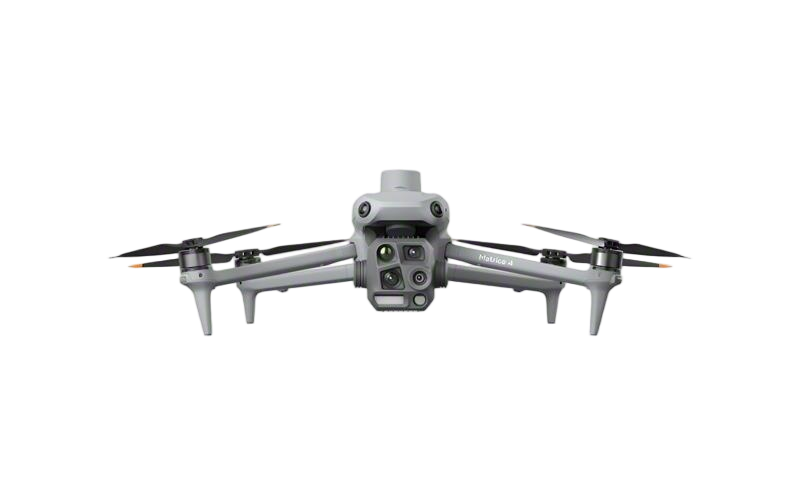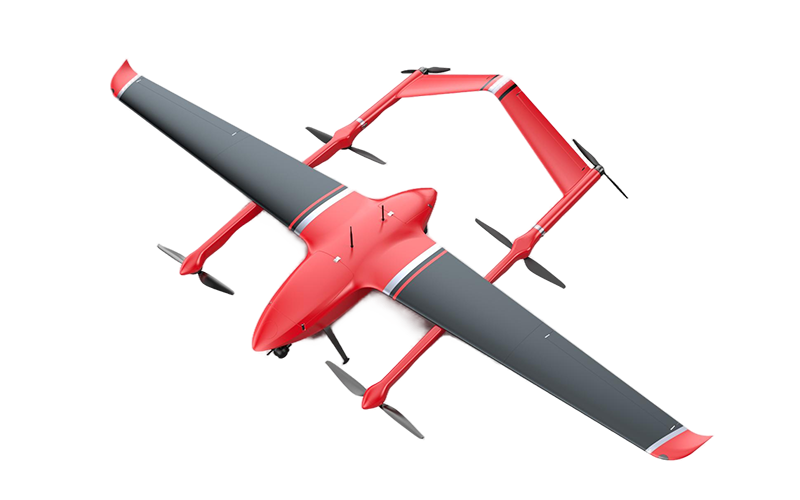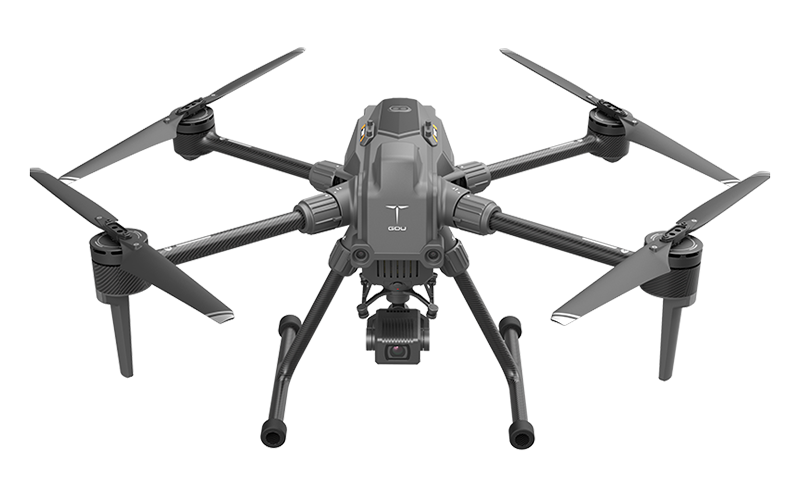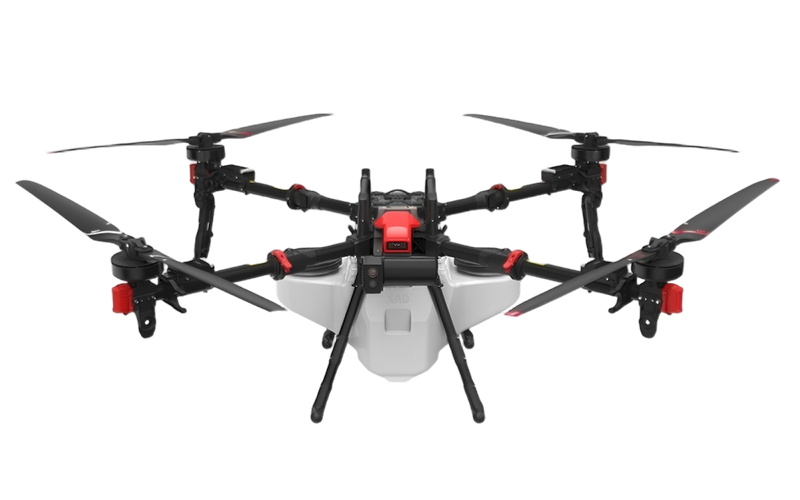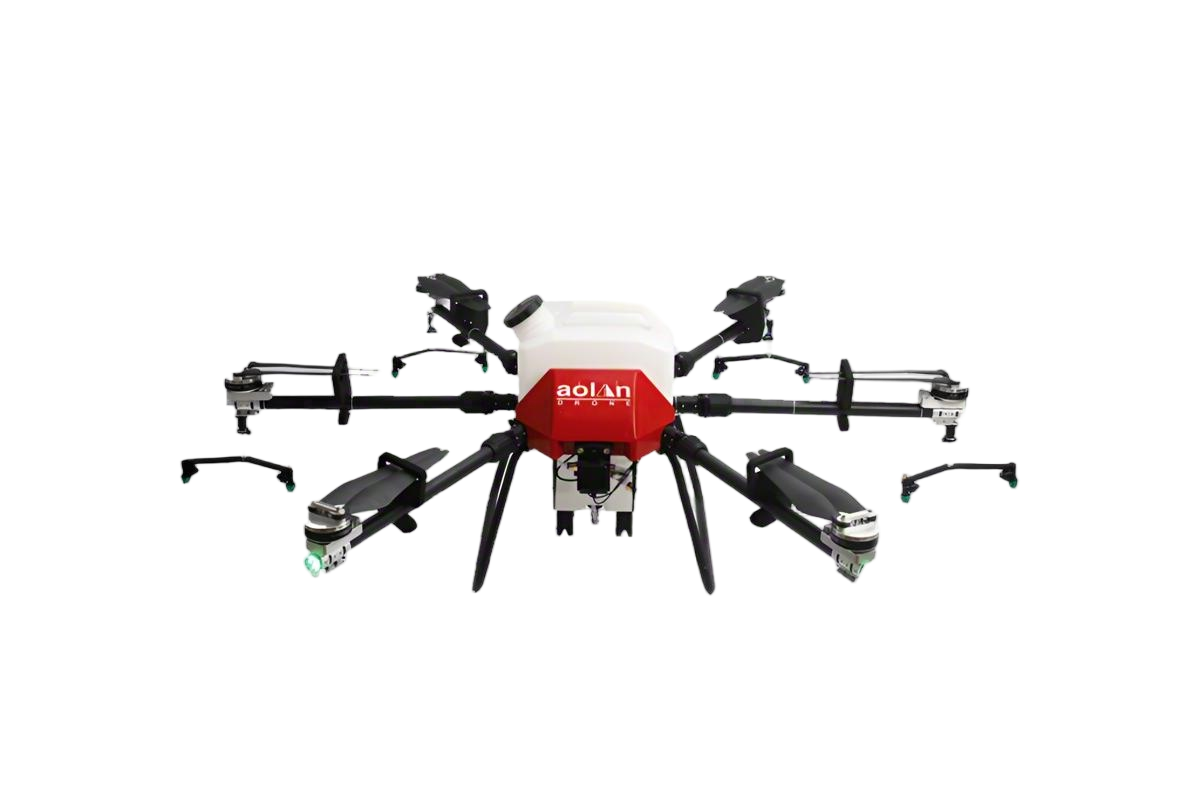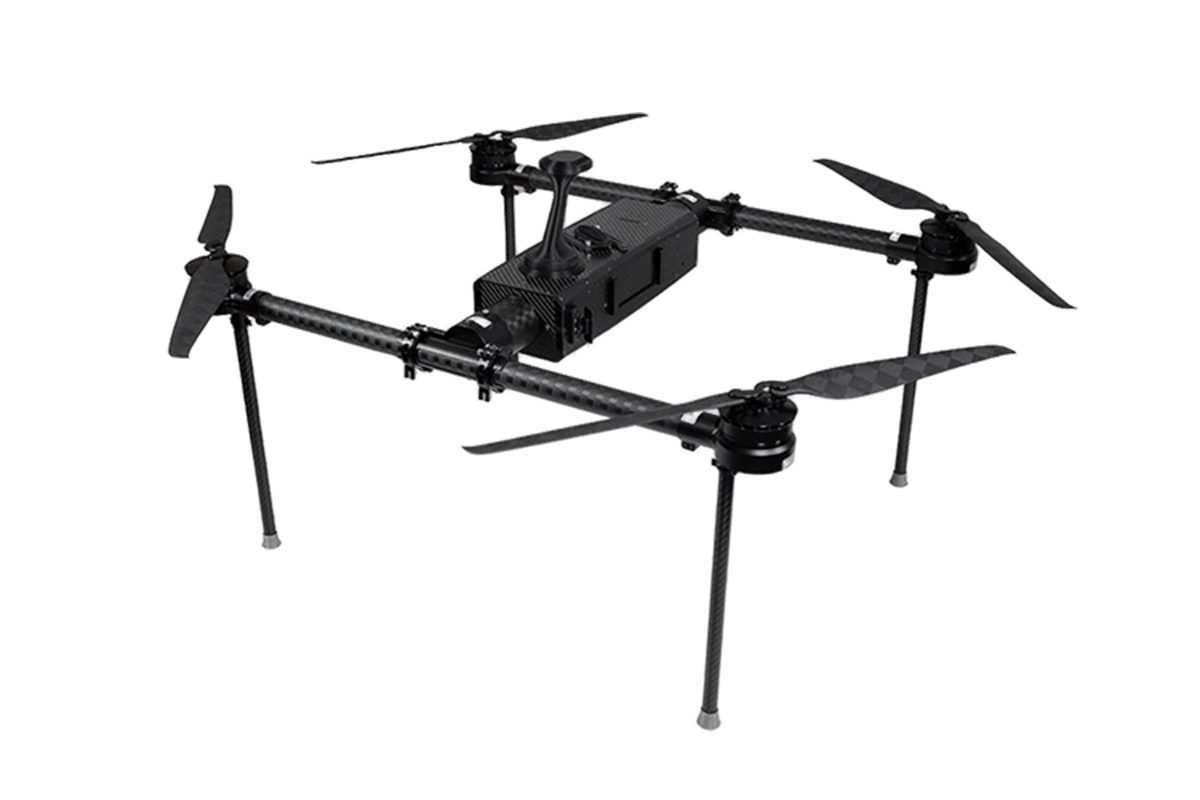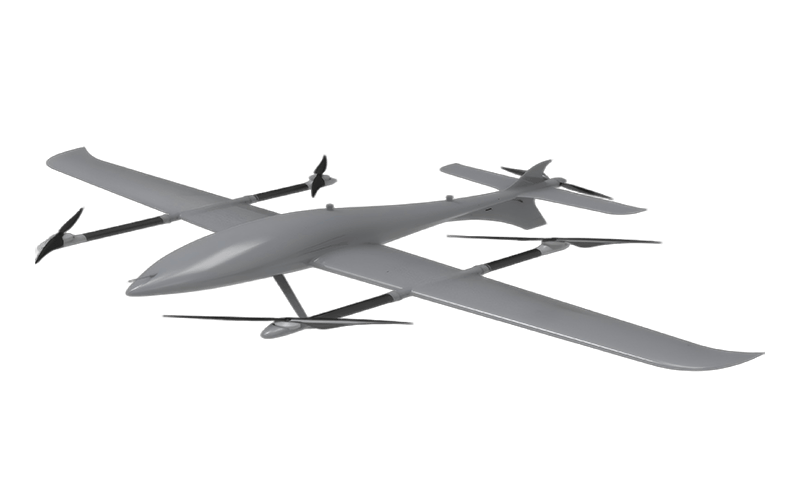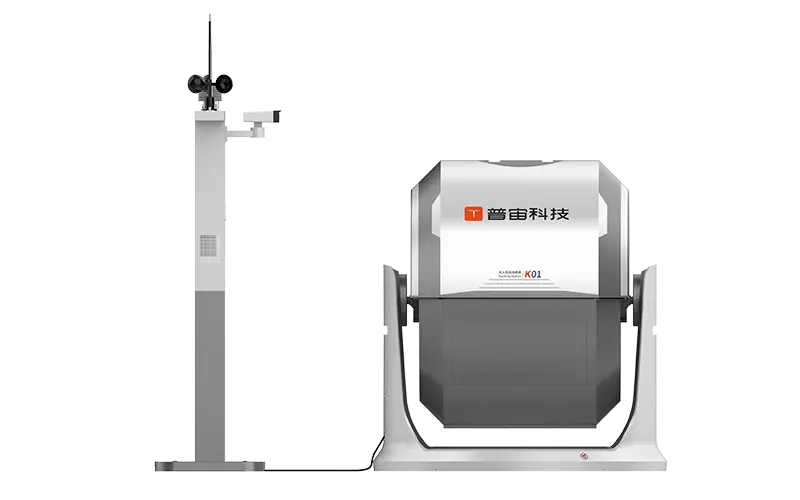
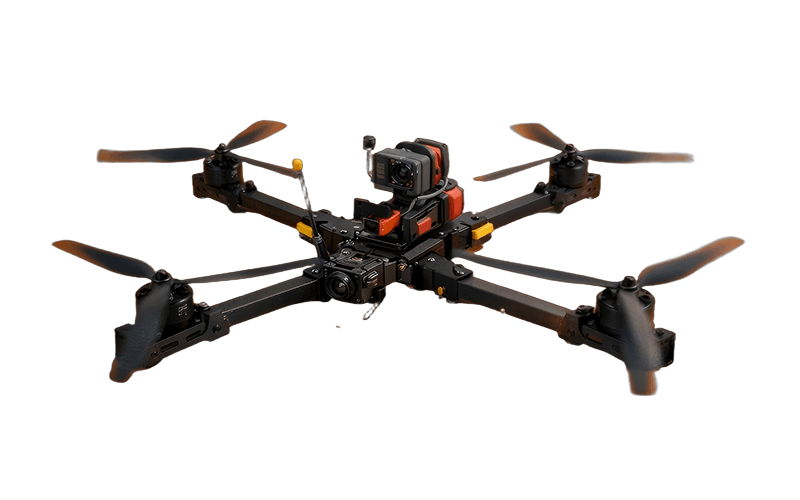
In today’s farming world, drones are really shaking things up. These clever gadgets are making it easier for farmers to keep an eye on their crops, spray precisely where it’s needed, and gather all kinds of useful data. Companies like DJI, senseFly, and Parrot are kinda leading the charge here. More farmers are starting to notice the benefits, like better yields and saving money on expenses.
That said, getting started with farming drones isn’t all smooth sailing. The upfront costs can be pretty steep, and training the team to fly and use them takes some time and effort. Plus, there are things like software updates and maintenance that can get a bit tricky. It’s really important for farmers to think about whether these drones will actually fit their specific needs before jumping in.
Even with these hurdles, the perks are pretty hard to ignore. Drones give real-time info, helping farmers make smarter decisions. They can cover huge fields way faster than traditional methods, which is a huge plus. As tech keeps improving, I really believe these drones could become a must-have in our push for more sustainable, efficient farming practices.
Farming drones have revolutionized agricultural practices. These airbound tools collect precise data on crop health. They provide farmers with insights that can enhance crop production significantly. According to a report by ResearchAndMarkets, the global agricultural drone market is expected to reach $6.4 billion by 2025. This growth is attributed to increased demand for food and efficient farming techniques.
Drones can monitor plant health using multispectral imaging. This technology detects issues like nutrient deficiencies or pest infestations early. It's essential for farmers to understand their crops' conditions and respond promptly. Another advantage is precise mapping, enabling better soil management and irrigation practices.
Tips: Regularly calibrate your drone for accurate readings. Ensure you understand local regulations regarding drone use in agriculture. Consider using data from multiple flight missions to get a complete view of your fields. Balancing technology with traditional farming knowledge can yield the best results. While drones offer many benefits, they require proper handling. Investing time in training is crucial for maximizing their potential.
When selecting a high-performance farming drone, consider its imaging capabilities. Drones equipped with high-resolution cameras can capture detailed images of crops. These images help identify areas needing attention. Thermal imaging can detect plant stress before visible signs appear. This early detection is crucial for maintaining crop health.
Another vital feature is battery life. A longer battery allows extensive coverage in a single flight. Efficient batteries also reduce downtime. Farmers often face tight schedules during planting and harvesting. A drone that can fly longer between charges proves invaluable.
Additionally, consider the drone's weight capacity. The ability to carry sensors or spray systems enhances its versatility.
User-friendly controls make a significant difference. A drone that is easy to operate allows farmers of all skill levels to participate. However, some users may feel overwhelmed by advanced features. Training resources should be available to help.
Connectivity options also matter. Real-time data transfer provides immediate insights on field conditions. Yet, not all farmers have reliable internet in rural areas. Assess these features carefully to find the right fit for your farming needs.
In 2023, leveraging farming drones can lead to impressive gains in crop yields. These innovative tools provide accurate data and streamline operations on the farm. They excel in monitoring crop health and optimizing resource use, which is vital for sustainable agriculture. Drones equipped with advanced sensors can detect pest infestations or nutrient deficiencies early. This timely information allows farmers to act swiftly, minimizing loss.
Tips for choosing the right drone include assessing your specific needs. Consider the size of your farm and types of crops grown. Some drones may fit well for larger fields while others work better in smaller, varied terrains. Battery life is a crucial factor too. A model with longer flight time can cover more ground efficiently.
Remember, mastering drone technology takes time. Initial challenges might arise, such as operating difficulties or data interpretation. Engage in training sessions to build proficiency. This will help you make the most of your investment in drone technology. By overcoming these hurdles, you'll enhance your farming practices and ultimately improve your crop yields.
As agriculture embraces technology, farming drones have become essential tools for optimizing crop yields. These high-tech devices can perform tasks like crop monitoring, soil analysis, and even precise pesticide spraying. The specifications of these drones vary and impact their effectiveness in different farming settings.
Recent industry reports reveal that drones equipped with multispectral cameras can enhance crop health assessment. They provide insights into plant stress levels and soil moisture content. For example, drones can detect infrared light reflectance, which helps farmers identify underperforming areas within fields. This specificity leads to more informed decision-making and potentially greater yields.
Tip: Regularly calibrate your drone's sensors to ensure accurate data collection. Inaccuracies can mislead farmers, resulting in wasted resources.
It's evident that not all drones are created equal. Some may excel in flight time, while others have superior camera quality. Evaluating these capabilities based on your specific agricultural needs can lead to significant improvements. However, farmers should reflect on the cost-to-benefit ratio of integrating drones into their workflow.
Tip: Start with a small-scale test on a limited area before widespread implementation. This approach allows for adjustments based on real-world performance data.
When it comes to farming drones, user reviews play a crucial role in assessing their effectiveness. According to a recent industry report, 85% of users cited improved crop yields after integrating drone technology. Farmers are increasingly turning to these tools for precise monitoring and timely interventions. Specifically, drones equipped with multispectral cameras can analyze crop health accurately.
User feedback highlights the importance of usability. Many farmers prefer drones that are easy to operate. Some users reported a steep learning curve with more complex models. A simpler interface can ease this transition and make data collection more efficient.
Here are some tips for choosing the right drone:
Investing in farming drones can significantly impact crop yields. However, farmers must weigh costs against potential returns. Drones can enhance crop monitoring and pest control, but they come with upfront expenses. Basic models start around a few thousand dollars, while advanced systems can cost tens of thousands. Maintenance and operational costs also add up, raising questions about their long-term value.
Consider calculating the return on investment (ROI) carefully. Assess the specific needs of your farm. A well-chosen drone can increase efficiency by scouting crops faster than traditional methods. However, drones also require training for optimal use. Many farmers find that the learning curve can be steep, which may delay returns.
**Tips:** Research the types of data you need. Some drones offer multispectral imaging, revealing plant health issues. Evaluate your farm's size and crops to choose the right technology. Regularly revisit your cost analysis as technology evolves. Keep in mind that initial savings may not reflect the drone’s true value in the long run. Stay informed about advancements in drone technology. It is crucial to ensure that your investment aligns with future farming trends.
| Drone Model | Initial Cost ($) | Annual Maintenance Cost ($) | Yield Increase (%) | ROI Period (Years) |
|---|---|---|---|---|
| Model A | 5000 | 500 | 20 | 1 |
| Model B | 7500 | 700 | 30 | 1.5 |
| Model C | 6000 | 600 | 25 | 1.2 |
| Model D | 8000 | 800 | 40 | 1.8 |
| Model E | 7000 | 600 | 22 | 1.4 |
| Model F | 9500 | 900 | 35 | 2 |
| Model G | 8500 | 750 | 28 | 1.6 |
| Model H | 9200 | 850 | 33 | 1.7 |
| Model I | 5000 | 400 | 20 | 1 |
| Model J | 7500 | 700 | 25 | 1.2 |
As agricultural drone technology evolves, farmers are discovering new advantages. Drones equipped with multispectral cameras can assess crop health. They deliver real-time data about soil conditions and plant growth. This instant feedback allows for timely interventions.
However, not all farmers utilize drones effectively. Some struggle with data interpretation, leading to underutilized capabilities. Understanding the technology is crucial for maximizing benefits. Consider professional training or online courses to enhance your skills. Choose solutions that fit your farm's specific needs.
Drones can also optimize resource use. Precision spraying can reduce pesticide and fertilizer waste. When used properly, this technique saves both money and the environment. Inspection and monitoring are more efficient with drones than traditional methods. Aerial views unveil issues that ground-level checks might miss. Keep experimenting to find the best drone applications for your farm. The landscape of agriculture is changing rapidly. Embrace these advancements to stay ahead.
: Look for high-resolution imaging capabilities and long battery life. These features help monitor crops effectively.
Thermal imaging detects plant stress early. This helps maintain crop health before visible signs appear.
A higher weight capacity allows drones to carry sensors or spray systems. This increases their usefulness in various tasks.
Some users may feel overwhelmed by advanced features. Proper training resources are essential for effective usage.
It provides immediate insights into field conditions. However, connectivity issues can arise in rural areas.
Assess costs against potential efficiency gains. This includes crop monitoring speed and the learning curve for operation.
Farming drones are revolutionizing agricultural practices, significantly enhancing crop production efficiency and yields. This article provides an overview of the impact of farming drones on modern agriculture, highlighting their key features such as precision farming capabilities, real-time data collection, and crop monitoring. Readers will find a curated list of the top 10 farming drones for 2023, complete with a comparison of specifications and capabilities to help in making informed decisions.
User reviews and ratings provide insights into the performance of these advanced tools, while a cost analysis section evaluates the investment versus the expected returns from utilizing farming drones. Finally, the article discusses future trends in agricultural drone technology and the potential benefits that these innovations could bring to the farming industry, ensuring that farmers stay ahead in a rapidly evolving landscape.