0%

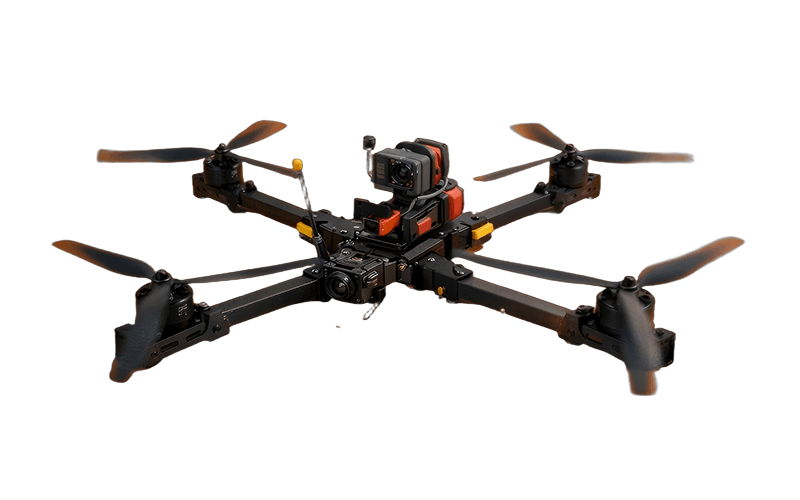
Lately, it's pretty clear that Agriculture UAVs—those drones—are really shaking up farming as we know it. They’ve become a crucial part of precision agriculture, helping farmers boost efficiency and get better yields. Companies like DJI and Parrot are really leading the charge, pushing out innovative tech that makes it easier for farmers to keep an eye on their crops and manage resources smarter, not harder.

Looking ahead to 2026, it’s exciting to think about the trends that might shape the agricultural drone scene. We’re going to see more advanced sensors and AI features, which will give farmers way more useful data about their crops—like health updates and potential issues—that can make a big difference.

Of course, it’s not all smooth sailing. Some farmers might find the tech a bit intimidating or challenging to learn at first. Regulations could also slow things down or create hurdles that need navigating. Recognizing these hiccups along the way is super important if we want agriculture drones to really reach their full potential. After all, knowing both the opportunities and setbacks will help shape a better, more sustainable future for farming.

Top Agriculture UAV Trends for 2026 What You Need to Know?

The Growing Role of UAVs in Precision Agriculture by 2026

The role of UAVs in precision agriculture is rapidly increasing. By 2026, the global market for agricultural drones is expected to reach $5.8 billion, according to a recent industry report. This growth is driven by the need for efficient farming practices and data-driven decision-making. UAVs provide farmers with aerial imagery, improving crop monitoring and health assessment.

Farmers can use UAVs to gather detailed data on soil conditions and crop health. This technology enables real-time analysis, allowing for better resource management. However, integrating drones into traditional farming practices poses challenges. The learning curve can be steep, and initial costs may deter some farmers. It is essential to weigh the benefits against the investment.

Tip: Start small. Test drone technology on a limited scale to understand its impact.

As UAV technology advances, artificial intelligence and machine learning will enhance data processing. These developments promise more accurate analysis and predictions for crop yields. However, farmers should remain critical of data accuracy and ensure they are using reliable sources. Overreliance on technology without human oversight may lead to flawed conclusions.

Tip: Always cross-reference data gathered from UAVs with ground-truth observations.

Key Technologies Driving the Agricultural UAV Market Expansion

The agricultural UAV market is on the rise, driven by key technologies that enhance efficiency and productivity. Drones equipped with advanced sensors and imaging systems provide real-time data on crop health. This capability allows farmers to make informed decisions quickly. For example, thermal imaging can detect areas needing irrigation or pest control, improving resource management.

Artificial intelligence (AI) is another critical technology. It analyzes collected data, creating predictive models for yields and potential issues. These insights guide farmers in resource allocation, reducing waste and costs.

While these technologies have immense potential, challenges remain. Issues such as data privacy, technology access, and the need for ongoing training are crucial. The integration of UAVs into farming practices must be thoughtful and inclusive to ensure widespread benefits.

Impact of UAVs on Crop Monitoring and Yield Prediction

Top Agriculture UAV Trends for 2026 What You Need to Know?

The advent of UAVs in agriculture has significantly transformed crop monitoring and yield prediction. According to recent industry reports, the UAV market in agriculture is projected to grow by over 25% annually until 2026. This growth highlights the increasing reliance on aerial insights for farming practices. UAVs equipped with advanced sensors can capture detailed imagery. This aids in assessing crop health more accurately than traditional methods.

These drones provide real-time data that can lead to better decision-making. For instance, UAVs can identify areas needing attention, allowing farmers to optimize resource allocation. A report by the Agricultural Drone Association indicates that utilizing UAVs can improve yield predictions by up to 20%. However, there are still challenges to consider. For example, calibration and data interpretation require skilled personnel, which may limit effectiveness in some regions.

Tips for farmers: invest in training programs that focus on UAV technology. This will help in maximizing the benefits. Understand that UAV data is powerful but not infallible. Regularly cross-verify UAV insights with on-ground assessments. Lastly, remain open to innovations; technology is rapidly evolving and can lead to unforeseen advantages.

Emerging Regulations Affecting UAV Operations in Farming

As agriculture UAVs gain traction, regulations are evolving to ensure safe and efficient operations. In the U.S., the Federal Aviation Administration (FAA) has proposed new guidelines that require UAVs to be equipped with remote ID technology by 2026. This is critical for identifying and tracking drones in crowded airspace. The advancements aim to increase accountability among operators, particularly in farming areas that often have both manned and unmanned aerial traffic.

Additionally, the growing concern for environmental protection is influencing regulation. The European Union plans to implement stricter rules on UAV emissions and noise levels. These measures aim to minimize the ecological footprint of agricultural drones. According to a report by the Association for Unmanned Vehicle Systems International, the market for agriculture drones is expected to surpass $4 billion by 2026. Farmers must therefore stay compliant with these regulations to reap the full benefits of UAV technology.

While these regulations are beneficial, they also present challenges. Compliance may require significant investment in technology and training. Farmers using UAVs must adapt quickly to regulatory changes, which can be daunting. Balancing innovation and regulation will be crucial for the agricultural sector as it embraces UAVs for enhanced productivity and sustainability.

Integration of AI and Machine Learning in Agricultural UAVs

The integration of AI and machine learning in agricultural UAVs is a game-changer. These technologies enhance data analysis, improving crop monitoring and management. Drones equipped with AI can recognize pests and diseases. This helps farmers act swiftly and efficiently.

When considering the adoption of these UAVs, it's essential to focus on data accuracy. Relying solely on technology can lead to oversight. Always validate drone-collected data with ground truth checks. This ensures reliable decision-making in farming.

Another crucial aspect is ongoing training. Farmers must understand AI tools to leverage their full potential. Investing time in education can lead to optimized agricultural practices. Embrace the learning curve; it is a necessary part of innovation in farming.

Top Agriculture UAV Trends for 2026

The following bar chart illustrates the projected integration of AI and machine learning in agricultural UAVs from 2023 to 2026, showcasing the expected growth in efficiency, precision, and overall utilization in the agricultural sector.

Sustainability Trends: UAVs and Reducing Environmental Impact

In the realm of agriculture, UAVs are emerging as powerful tools for enhancing sustainability. A recent report indicates that UAVs can reduce pesticide use by up to 30%. This decline directly correlates to lower chemical runoff, helping to protect local ecosystems. Additionally, UAV technology enables precision farming, which optimizes crop input efficiency. With targeted application, farmers can reduce waste and improve yields.

As the agricultural sector faces climate change, UAVs play a critical role in resource management. For instance, they can monitor soil health and water levels in real-time. This data allows farmers to make informed decisions about irrigation, potentially saving up to 50% on water usage. However, challenges remain. The reliance on technology raises questions about data privacy and security. Moreover, not all farmers have equal access to these advancements, highlighting a digital divide that must be addressed.

Sustainability in agriculture is a complex issue. Continuous innovation is essential for reducing environmental impacts. While UAVs offer promising solutions, their deployment must be carefully managed. Balancing technological benefits with ethical responsibilities is crucial for a sustainable future in agriculture.

Market Forecast: Projected Growth Rates and Investment Opportunities

The agriculture UAV market is set for impressive growth by 2026. Analysts predict a compound annual growth rate (CAGR) exceeding 15%. Increased demand for precision farming tools drives this upward trend. Farmers are adopting UAVs to enhance productivity and reduce costs. This shift is partly due to the need for more sustainable practices. With UAVs, farmers can monitor crop health efficiently. Using drone technology allows for quick assessments, potentially saving time and resources.

Investment opportunities in this sector are vast. Venture capital and agritech firms are eager to back innovative UAV solutions. There's a need to refine the technology, focusing on data analytics and user-friendliness. Improvements are essential for making UAVs accessible to all farmers, especially smaller operations. Challenges persist, including regulatory hurdles and the need for operator training. Addressing these issues will be crucial for market expansion. The future holds promise, but stakeholders must collaborate to realize the full potential of UAV technology in agriculture.

Exploring the Impact of Mercury X480 on the Heavy-Lift UAV Market: Insights from Recent Industry Reports

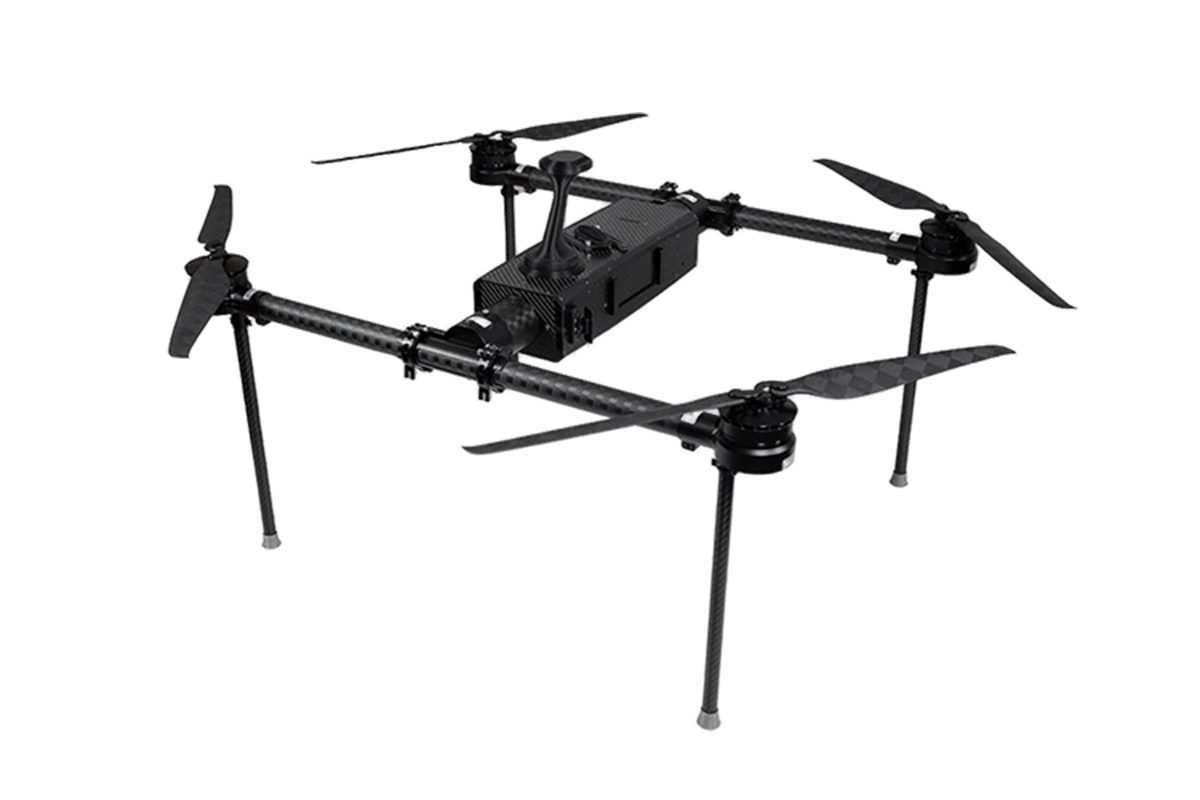
The advent of advanced technologies like the Mercury X480 is poised to significantly transform the heavy-lift UAV market. Recent industry reports indicate that the Mercury X480's innovative features will enhance the operational efficiency of UAVs, particularly in complex terrain operations. Its intelligent dual-control system enables a robust performance with a maximum payload capacity of 300 kg, making it an ideal choice for enterprises that require reliable solutions for challenging environments. This advancement not only broadens the application scope of heavy-lift UAVs but also addresses the increasing demand for heavy-duty operations in various sectors, including agriculture, construction, and logistics.

As the UAV market evolves, the capability to operate in diverse and difficult terrains becomes crucial. The Mercury X480's design emphasizes adaptability and precision, allowing for improved flight stability and control even when maneuvering through obstacles. This positions it favorably against traditional UAVs that may struggle in similar conditions. Stakeholders in the heavy-lift segment are likely to see a surge in usage, as this model offers the necessary resilience for demanding tasks, ultimately driving forward the market's growth and establishing new benchmarks for performance and reliability in UAV operations.

FAQS

: How do U

Vs improve crop monitoring?

What benefits do UAVs offer in farming?

They provide real-time data and help optimize resource allocation. This can lead to better decision-making for farmers.

Can UAVs enhance yield predictions?

Yes, using UAVs can improve yield predictions by up to 20%. However, expertise in data interpretation is essential.

What training is recommended for farmers using UAVs?

Farmers should invest in training programs focused on UAV technology. This maximizes the benefits of UAV use.

Are there regulations governing UAV operations in agriculture?

Yes, regulations are evolving. Farmers must comply with laws, including future remote ID technology requirements.

What challenges do farmers face with UAV regulations?

Compliance may require significant investment and rapid adaptation. It can be daunting to keep up with changing regulations.

How can UAV data be verified?

It's essential to cross-verify UAV insights with on-ground assessments. This helps ensure data accuracy and reliability.

What environmental considerations affect UAV regulations?

Regulations aim to address concerns like emissions and noise levels from UAVs. Farmers must consider ecological impacts.

Why is staying updated on UAV technology important?

Technology is rapidly evolving, and staying informed can lead to unforeseen advantages in farming practices.

Are there limits to UAV data accuracy?

Yes, while UAV data is powerful, it is not infallible. Regular verification is crucial for better outcomes.

Conclusion

As we approach 2026, the role of Agriculture UAVs (Unmanned Aerial Vehicles) in precision farming is set to expand significantly. Key technologies such as advanced sensors and imaging systems are driving the growth of the agricultural UAV market, enabling farmers to enhance crop monitoring and yield prediction with high accuracy. Additionally, the integration of artificial intelligence and machine learning is transforming how UAVs operate, allowing for more efficient data analysis and operational decision-making.

Emerging regulations surrounding UAV operations in agriculture will also play a crucial role in shaping the industry, ensuring safety and compliance while promoting innovation. Furthermore, sustainability trends highlight the importance of using Agriculture UAVs to reduce environmental impacts, making farming practices more eco-friendly. The market forecasts suggest robust growth rates, presenting numerous investment opportunities as stakeholders seek to capitalize on the potential of UAV technology in agriculture.

Charlotte

Charlotte

Charlotte is a dedicated marketing professional with a deep expertise in the UAV systems developed by UUUFLY. Her commitment to integrated innovation across hardware, algorithms, and data operations positions her as a driving force in delivering cutting-edge solutions for power, agriculture, and......
Previous How to Choose the Best Agri Drones for Your Farming Needs?