 GDU
GDU
 UUUFLY
 DJI
DJI MMC
MMC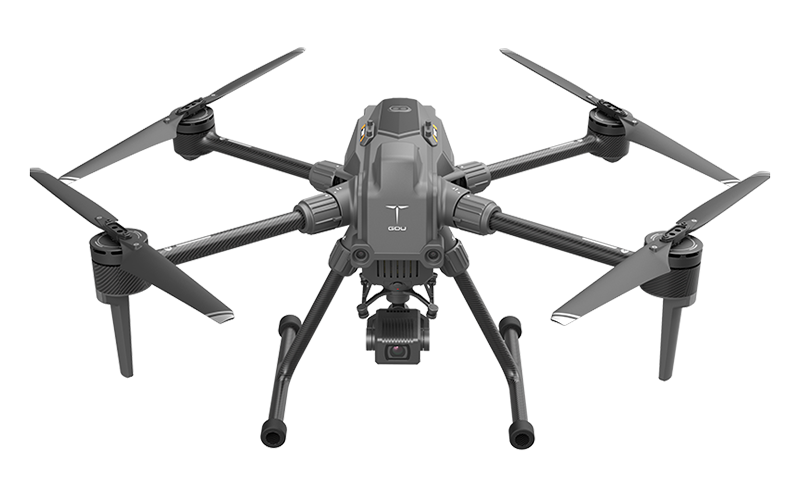 GDU
GDU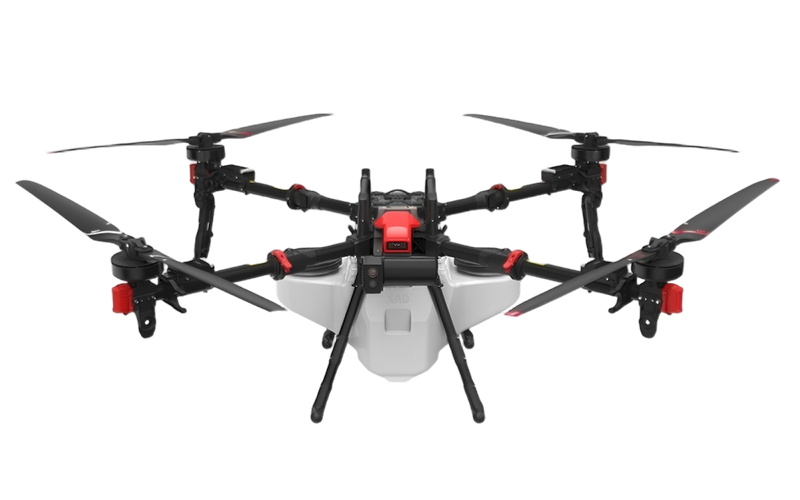 XAG
XAG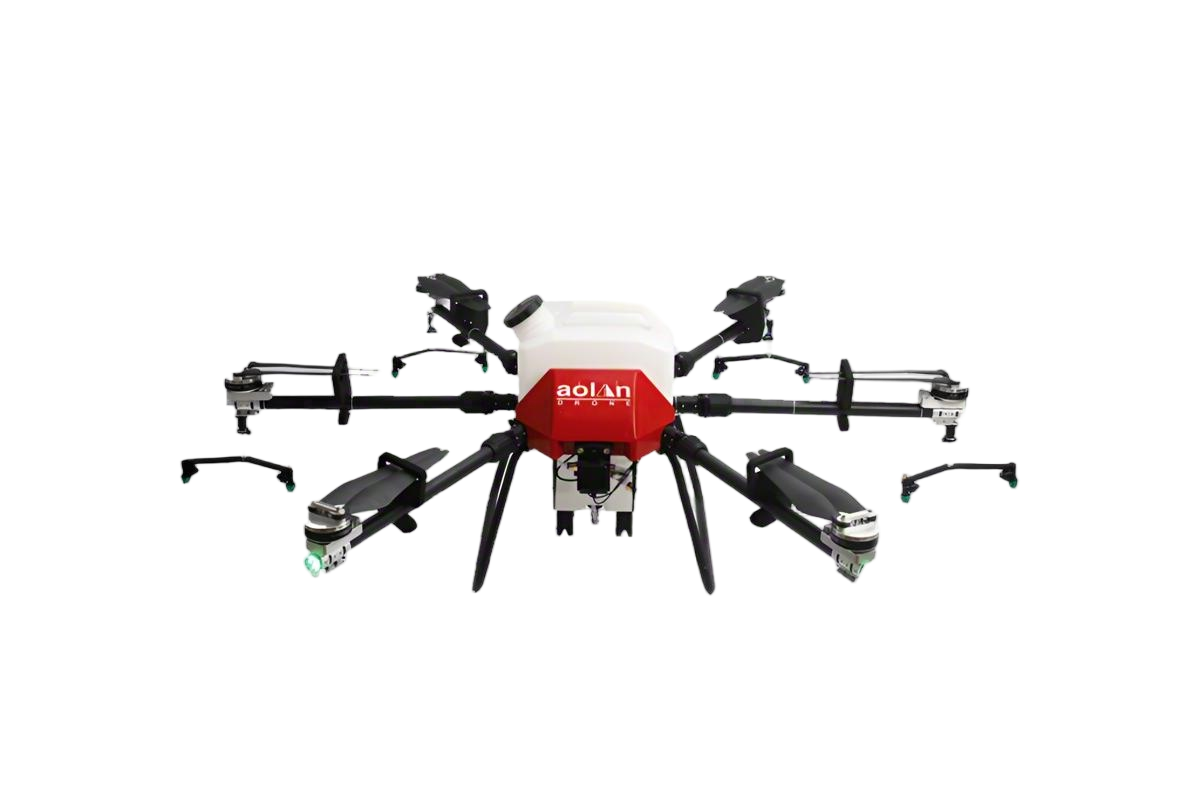 AOLAN
AOLAN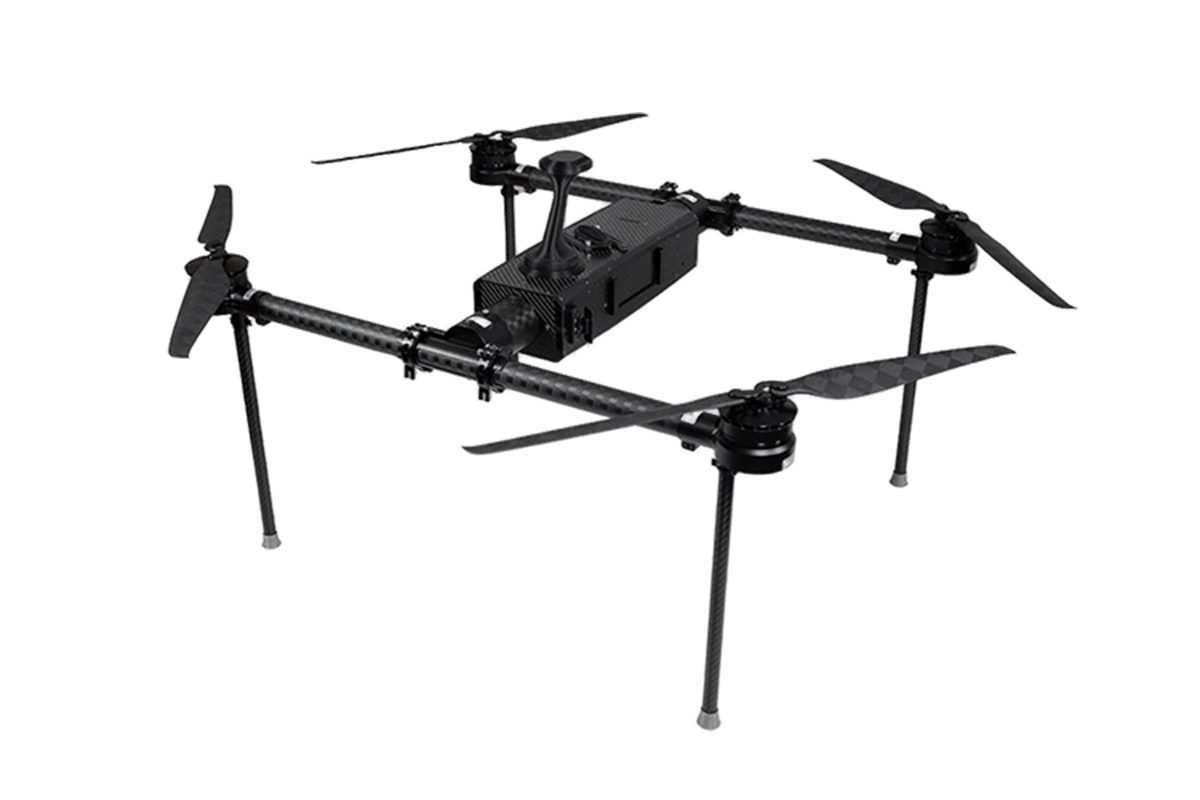 KEEL
KEEL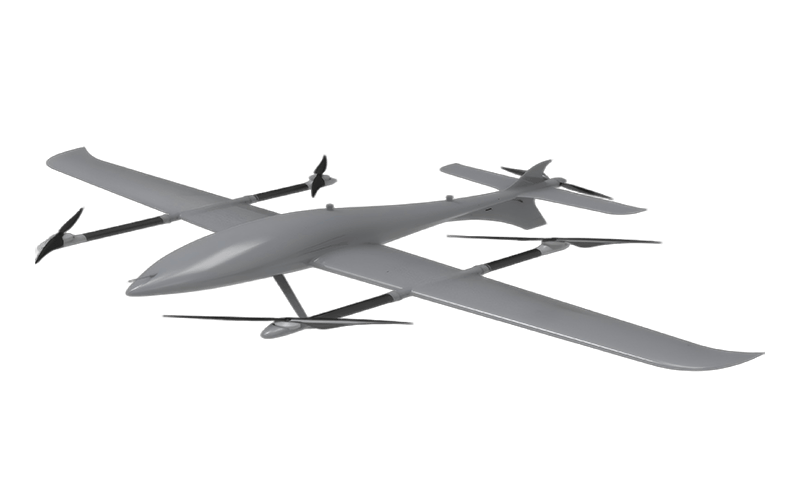 SKY NEXT
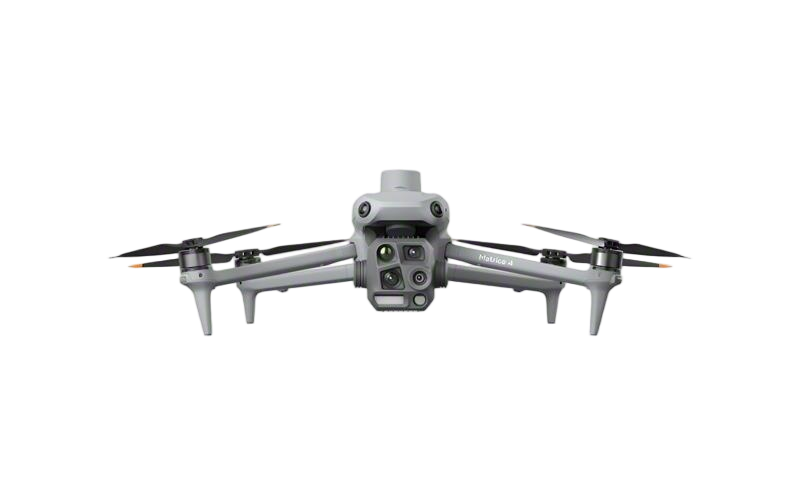
- DJI Matrice-4T
- DJI Matrice 4E Drone
- DJI Matrice 4TD
- DJI Matrice 30T
- DJI Mavic 3 Emterprise
- DJI Mavic 3M Multispectral Drone
- DJI RC 2 Plus Industry Plus
- DJI Matrice 4 Series Battery
- DJI Matrice 4D Series Batteries
- TB65 Intelligent Flight Battery
- TB100 Smart Flight Battery
- WB37 Battery
- DJI Accessories

As the world of precision agriculture keeps evolving, farm drones—also known as UAVs—are becoming pretty much essential. I recently came across Dr. Emily Sutherland from AgroTech Innovations, and she put it perfectly: "Farm UAVs are really changing the game in farming today." It’s a clear sign of how much these little flying machines are shaking up modern farming methods.
They’re making things more efficient and cutting down on labor costs, which is huge. Drones are now key tools for keeping an eye on crops and gathering data, but let’s be real—there are still some hurdles. Not every farmer can shell out the cash for the newest tech, and knowing how to make sense of all the data they collect is super important.
That said, while farm UAVs are pretty exciting, they do need proper training and management to get the most out of them. Farmers really have to consider if the benefits are worth the initial spend. Looking ahead to 2026, the top five farm drones are expected to totally transform farming practices once again. Jumping on this tech bandwagon could really push us toward more sustainable farming, but don’t forget—there’s a learning curve, and we’re all figuring it out as we go.

Overview of UAVs in Precision Agriculture
In recent years, UAVs (Unmanned Aerial Vehicles) have transformed precision agriculture. According to a report from Research and Markets, the agricultural drone market is set to reach $8.1 billion by 2026. This growth indicates the increasing reliance on technology to boost farming efficiency.
UAVs offer farmers precise data on crop health, soil condition, and irrigation patterns. These insights enable targeted interventions, reducing waste and increasing yield. A study by the International Society of Precision Agriculture highlighted that precision farming with UAVs can boost productivity by up to 30%. However, challenges remain. Farmers must navigate regulatory hurdles and data privacy issues.
The accuracy of data collected is also variable. Weather conditions can affect UAV performance, leading to inconsistent results. Furthermore, the initial investment can be prohibitive for small-scale farmers, creating a gap in accessibility. Understanding these limitations is crucial as the industry evolves. As UAV technology advances, it's essential to remain aware of both its potential and its pitfalls.

The Impact of High-Efficiency Carbon Fiber AL4-50 Sprayer Drones on Crop Yield: A Data-Driven Approach to Modern Agriculture
In the quest for sustainable agriculture, the advent of high-efficiency carbon fiber AL4-50 sprayer drones marks a significant advancement in enhancing crop yields through precision farming. These drones, with their lightweight carbon fiber construction, are engineered for optimal efficiency in large-scale agricultural operations. According to a report by the International Journal of Agriculture and Environmental Research, the integration of drone technology in farming has resulted in yield increases of up to 25%, demonstrating a substantial return on investment for farmers adopting such innovations.
The data-driven capabilities of sprayer drones enable farmers to apply fertilizers and pesticides with pinpoint accuracy, reducing waste and minimizing environmental impact. A study by the AgTech Innovation Institute indicated that drone-assisted applications can reduce chemical use by as much as 30%, while still achieving exceptional crop protection and growth. This precision not only supports healthier crops but also aligns with the growing demand for eco-friendly agricultural practices.
As farmers increasingly seek ways to optimize their operations, the high-efficiency design of carbon fiber drones stands out. Their enhanced durability and operational range allow for expansive coverage, even in challenging terrains. Research indicates that the use of such drones can lead to a significant reduction in labor costs, with reports showing reductions of 50% in workforce needs for certain agricultural tasks. The shift towards integrating technology like this in agriculture not only facilitates improved efficiency but also paves the way for a more sustainable future in food production.

FAQS
Vs used for in agriculture?
Precision farming with UAVs can boost productivity by up to 30%. They enable targeted interventions, reducing waste.
Farmers deal with regulatory hurdles, data privacy issues, and variable data accuracy due to weather conditions.
Important features include camera quality, battery life, and ease of use. These factors affect efficiency significantly.
High-resolution cameras provide clear images for better crop analysis. Aim for at least 20 megapixels for optimal detail.
Longer flight times allow for wider area coverage. Effective UAVs should ideally fly for at least 30 minutes.
UAVs should have a good payload capacity to carry different sensors or equipment. This flexibility enhances productivity.
Intuitive controls and easy maintenance can make a big difference. Training and support also play a crucial role.
Strong, durable materials are necessary to withstand tough farm conditions. Some models may have limited range, affecting operations.
Constant assessment of needs and adaptability to new features is key. Farmers must keep an eye on both potential and limitations.
Conclusion
In 2026, Farm UAVs have emerged as critical tools for precision agriculture, enhancing efficiency and productivity in farming practices. This article provides an overview of how UAVs are transforming agricultural landscapes, highlighting key features such as advanced imaging technology, data analytics capabilities, and autonomous flight operations. Selecting the right Farm UAV involves considering essential criteria, including payload capacity, flight duration, and ease of operation.
A comparative analysis of leading Farm UAV models reveals significant variations in performance metrics, assisting farmers in making informed choices. Additionally, the article discusses regulatory considerations that surround UAV operation in agriculture, ensuring compliance with legal requirements. As technology evolves, future trends indicate a transition towards more innovative and automated UAV systems, promising to further revolutionize farming practices and optimize resource management.
Related Posts
-

2026 Top Farming Drones What You Need to Know?
-

Top Agri Drone Tips for Effective Smart Farming?
-

Top Farm UAVs Tips for Maximizing Your Crop Yields?
-

Top Benefits of Agriculture UAVs for Modern Farming Practices
-

Top 5 Agricultural Drones for Modern Farming Success?
-

Top 10 Benefits of Using Fertilizer Drones in Agriculture?
