 GDU
GDU
 UUUFLY
 DJI
DJI MMC
MMC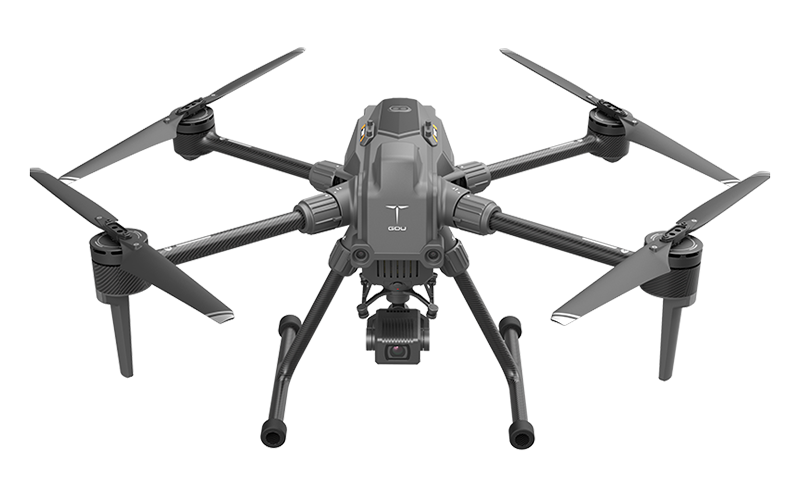 GDU
GDU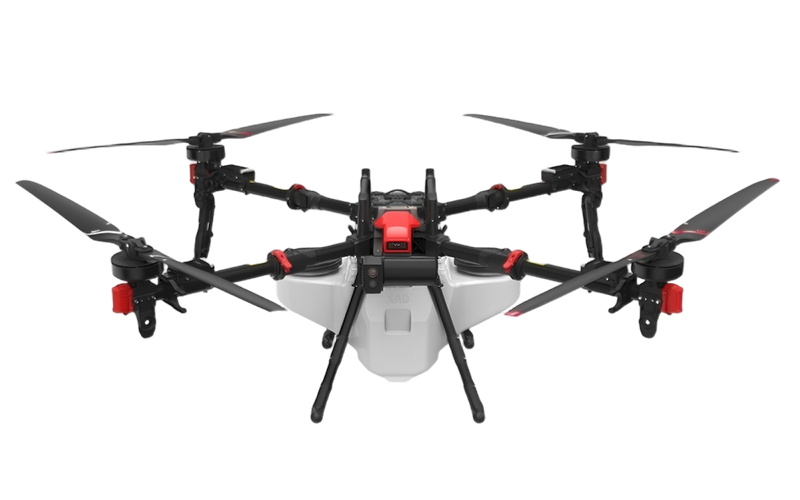 XAG
XAG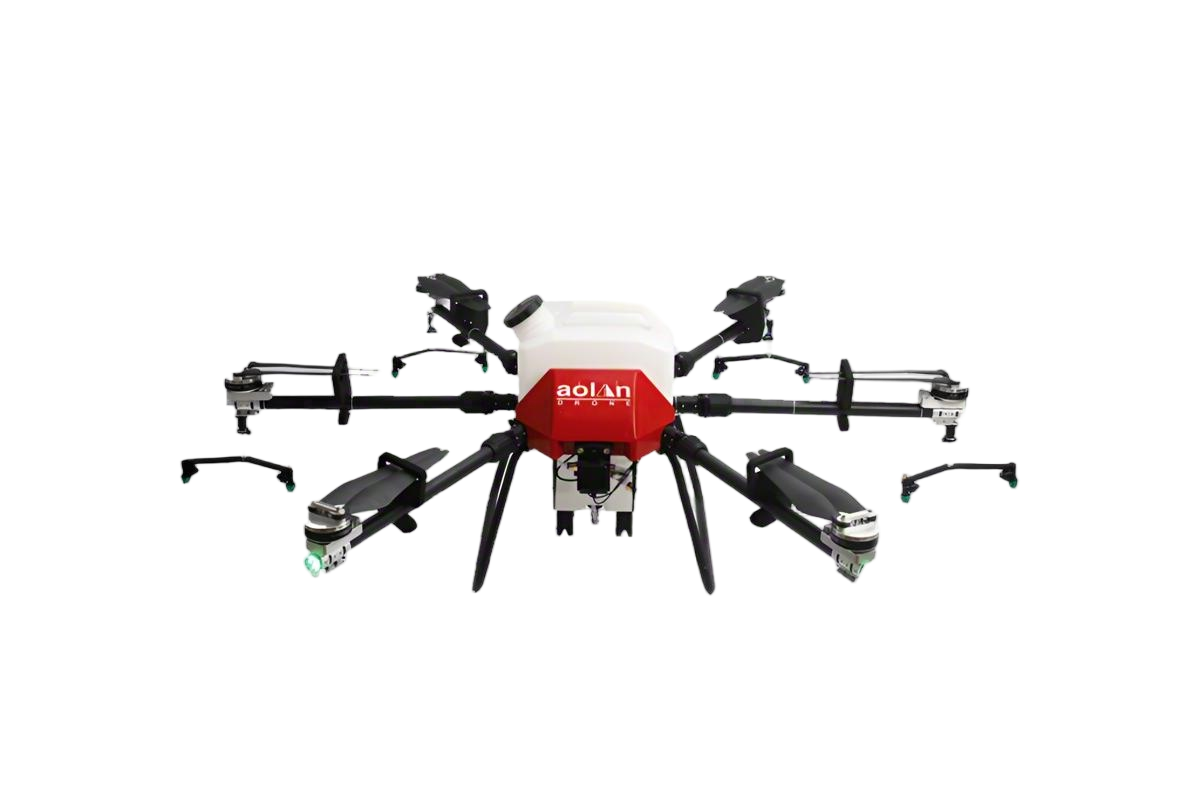 AOLAN
AOLAN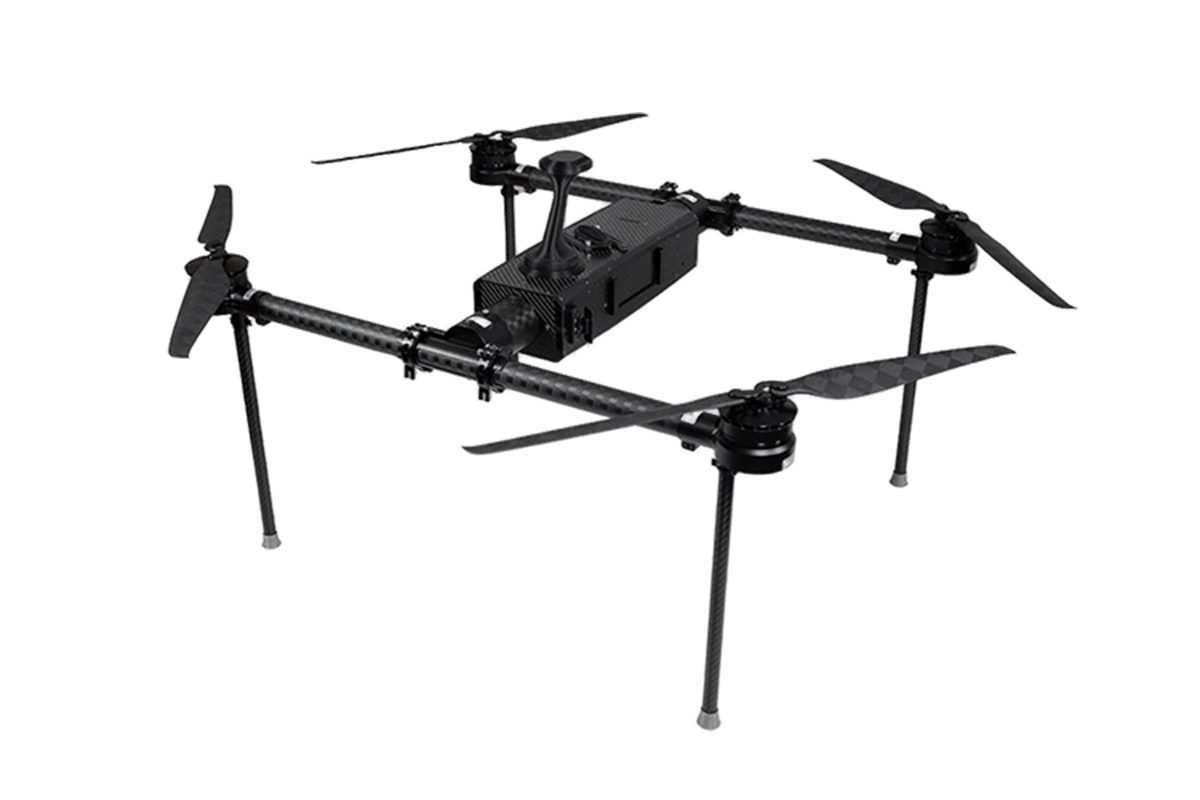 KEEL
KEEL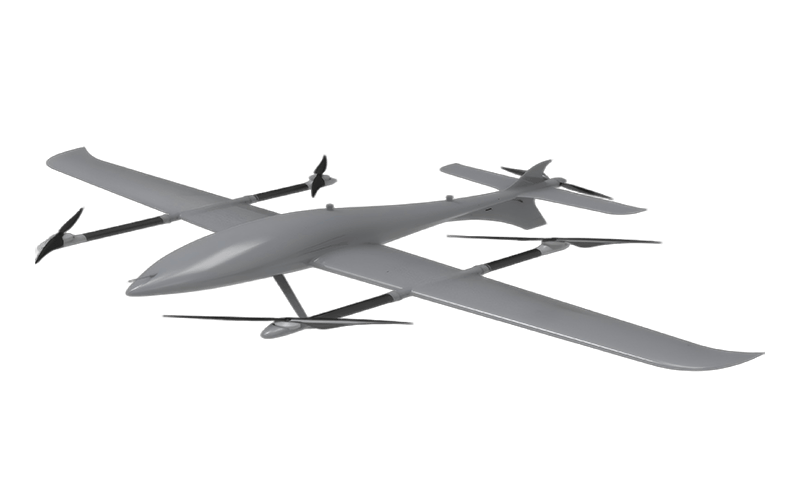 SKY NEXT
- DJI Matrice-4T
- DJI Matrice 4E Drone
- DJI Matrice 4TD
- DJI Matrice 30T
- DJI Mavic 3 Emterprise
- DJI Mavic 3M Multispectral Drone
- DJI RC 2 Plus Industry Plus
- DJI Matrice 4 Series Battery
- DJI Matrice 4D Series Batteries
- TB65 Intelligent Flight Battery
- TB100 Smart Flight Battery
- WB37 Battery
- DJI Accessories

Lately, the agricultural world has been buzzing with exciting new tech, especially with the rise of Farm UAVs—those cool flying drones farmers are starting to use more and more. It’s pretty amazing how these aerial gadgets are changing the game for farming around the globe. A report from ResearchAndMarkets actually says the market for agricultural drones is expected to hit around $6.5 billion by 2026, growing at a pretty rapid rate of about 32.6% annually. That really shows how farmers are increasingly leaned into tech to get things done more efficiently.
With Farm UAVs, farmers can now gather detailed data and keep a closer eye on their fields. Early detection of problems like pests or lacking nutrients? That’s becoming way easier. Big names like DJI and Parrot are leading the charge with some seriously advanced drones specifically made for farming. But, let’s be honest—this isn’t for everyone right away. There are hurdles, like the upfront costs and the fact that folks need some time to get used to new tech.
Nevertheless, the upside is pretty convincing. Better yields and less money spent on labor? Count me in. Of course, farmers should keep testing how these drones perform under all kinds of weather and conditions—they need to find what works best for their specific farms. It’s all about matching the right tools to the right needs. All in all, we’re just at the beginning of what could be a really exciting journey into technology-driven agriculture.

Understanding the Role of UAVs in Modern Agriculture
Drones, or UAVs, are transforming modern agriculture. Farmers now use them for crop monitoring and precision farming. These aircraft provide data on plant health, soil conditions, and pest activity. By analyzing this data, farmers can make informed decisions, enhancing crop yield and reducing waste.
Tips for effective UAV use include ensuring proper calibration of sensors. Regular checks will help prevent inaccurate data collection. Understanding the terrain and weather conditions is also crucial. Drones are sensitive to wind and rain, which can skew results.
Integrating UAV data into existing farm management systems can streamline operations. However, farmers may face challenges in interpreting the data. Training and resources are essential for maximizing the benefits of UAV technology. Continuous learning in this area is key to staying competitive. This evolving technology is a powerful tool but requires thoughtful application to truly benefit agriculture.
Discover the Best Farm UAVs for Efficient Agriculture Solutions
| UAV Model | Max Flight Time (min) | Payload Capacity (kg) | Camera Resolution (MP) | Operational Range (km) | Pricing (USD) |
|---|---|---|---|---|---|
| Model A | 30 | 5 | 20 | 10 | 3000 |
| Model B | 40 | 7 | 24 | 12 | 4500 |
| Model C | 35 | 10 | 30 | 15 | 5200 |
| Model D | 50 | 12 | 42 | 20 | 6000 |
| Model E | 45 | 15 | 36 | 18 | 5800 |

Maximizing Agricultural Efficiency: The Benefits of the Advanced Durable Alloy AL4-30 Drone for Large-Scale Farming
The use of advanced drone technology in agriculture has revolutionized the way large-scale farming operations manage their fields, optimize resource allocation, and enhance crop yields. The Advanced Durable Alloy AL4-30 drone, specifically designed for agricultural applications, exemplifies the shift towards efficiency and sustainability. Featuring a professional carbon fiber build, this drone not only minimizes weight but also ensures durability and resilience against harsh environmental conditions. With growing estimates showing that drone usage in agriculture could increase yields by up to 20%, farmers are drawn to the promising benefits of aerial solutions.
One of the standout features of the AL4-30 drone is its precision in smart farmland spraying and pest control. Studies indicate that precision agriculture can reduce chemical usage by 30% while simultaneously increasing productivity. This is critical as the agricultural sector faces increasing pressure to produce more food sustainably. The AL4-30 drone enables farmers to apply fertilizers and pesticides efficiently over large areas, targeting only the necessary spots and minimizing waste. By leveraging advanced sensors and GPS technology, the drone can gather real-time data, helping farmers make informed decisions on crop health and pest management.
Moreover, the integration of drones into large-scale farming not only enhances operational efficiency but also paves the way for smarter farming practices. According to recent reports, businesses that adopt drone technology can expect to see a reduction in labor costs by up to 80% in specific applications, reflecting a significant shift in resource management. As the agricultural industry continues to evolve, the benefits of using sophisticated tools like the AL4-30 drone will become increasingly evident, marking a new era of innovation and productivity in farming practices.

FAQS
: Drones are primarily used for crop monitoring, soil assessment, and pest detection. They help farmers improve yields.
Drones provide data that helps in precision farming. This data leads to better resource management and monitoring.
Calibration of drone sensors is critical. Regular checks can prevent issues with inaccurate data collection.
Drones are sensitive to wind and rain. These conditions can skew data and affect accuracy in monitoring.
Interpreting drone data can be complex. Training and resources are necessary for farmers to utilize this technology effectively.
Integration requires understanding existing management systems. This can optimize operations but may require adjustments and learning.
Farmers should look at flight time and equipment capabilities. Different models serve varying agricultural needs.
The technology is constantly evolving. Staying up-to-date helps farmers maintain a competitive edge in their practices.
The range of UAV options can be overwhelming. Careful evaluation is needed to choose the right equipment.
They can identify crop stress early. This allows for timely interventions, ultimately improving crop health.
Conclusion
Farm UAVs are revolutionizing modern agriculture by enhancing efficiency and productivity. This article examines the pivotal role of UAVs, highlighting their key features such as precision, durability, and user-friendliness. It also delves into various top farm UAV models, providing insights into their specifications and capabilities. A cost-benefit analysis underscores the economic advantages of incorporating UAV technology in farming practices.
Moreover, the article outlines best practices for implementing these technologies effectively, ensuring farmers can maximize their benefits. Looking ahead, it discusses emerging trends in agricultural UAV development and presents case studies that showcase successful applications, illustrating the transformative impact of UAVs on farming operations. Overall, Farm UAVs stand at the forefront of agricultural innovation, paving the way for smarter and more sustainable farming solutions.
Related Posts
-

Best Fertilizer Drones for Your Farm in 2026?
-

Top Benefits of Agriculture UAVs for Modern Farming Practices
-

Top Agri Drone Tips for Effective Smart Farming?
-

2026 Top Farming Drones What You Need to Know?
-

What is a Fertilizer Drone and How Does It Work?
-

Top 10 Benefits of Using Fertilizer Drones in Agriculture?
