 GDU
GDU
 UUUFLY
 DJI
DJI MMC
MMC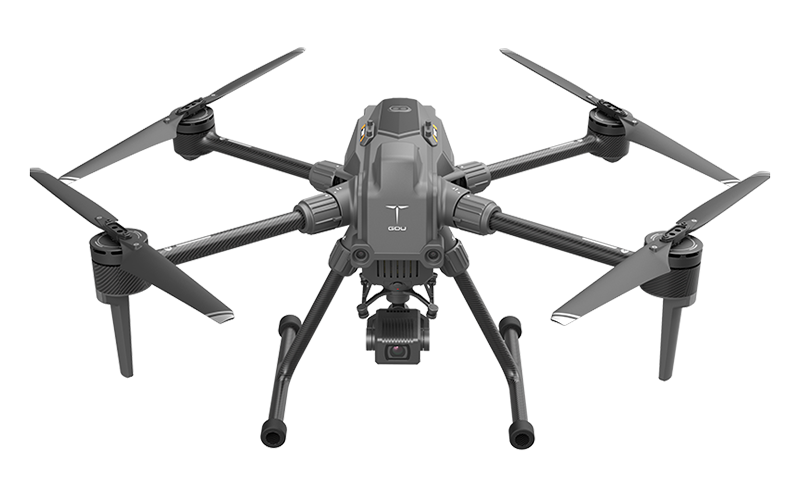 GDU
GDU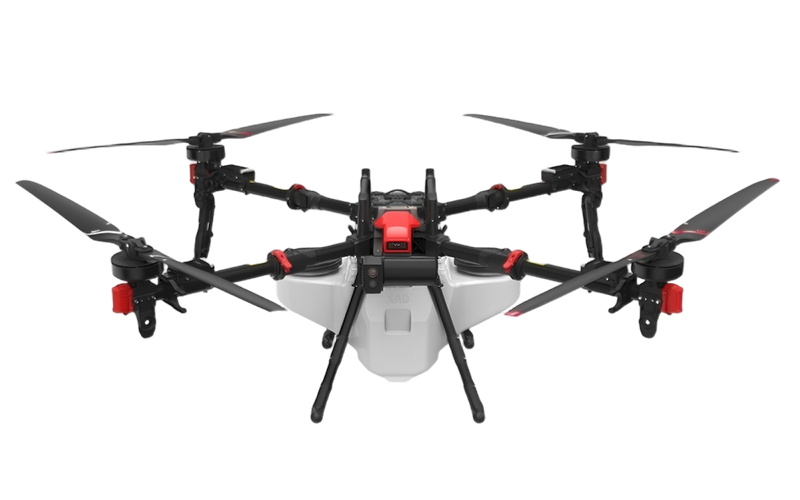 XAG
XAG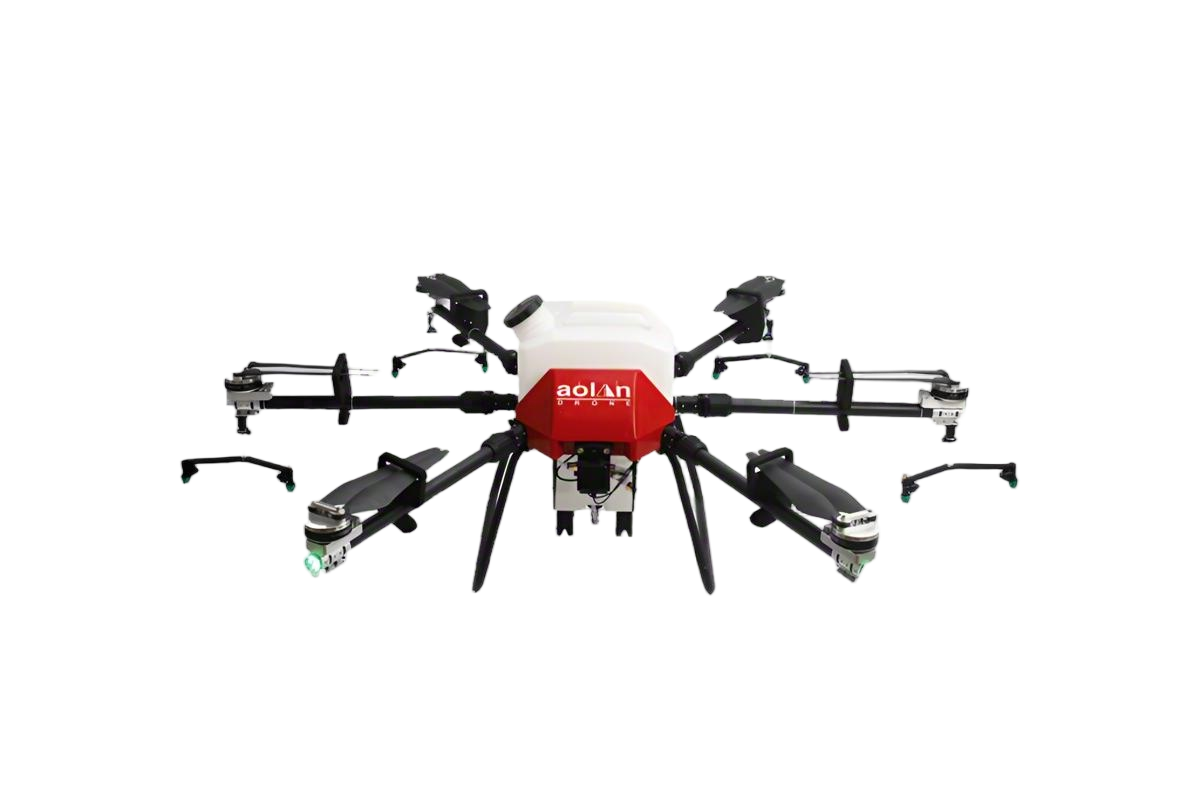 AOLAN
AOLAN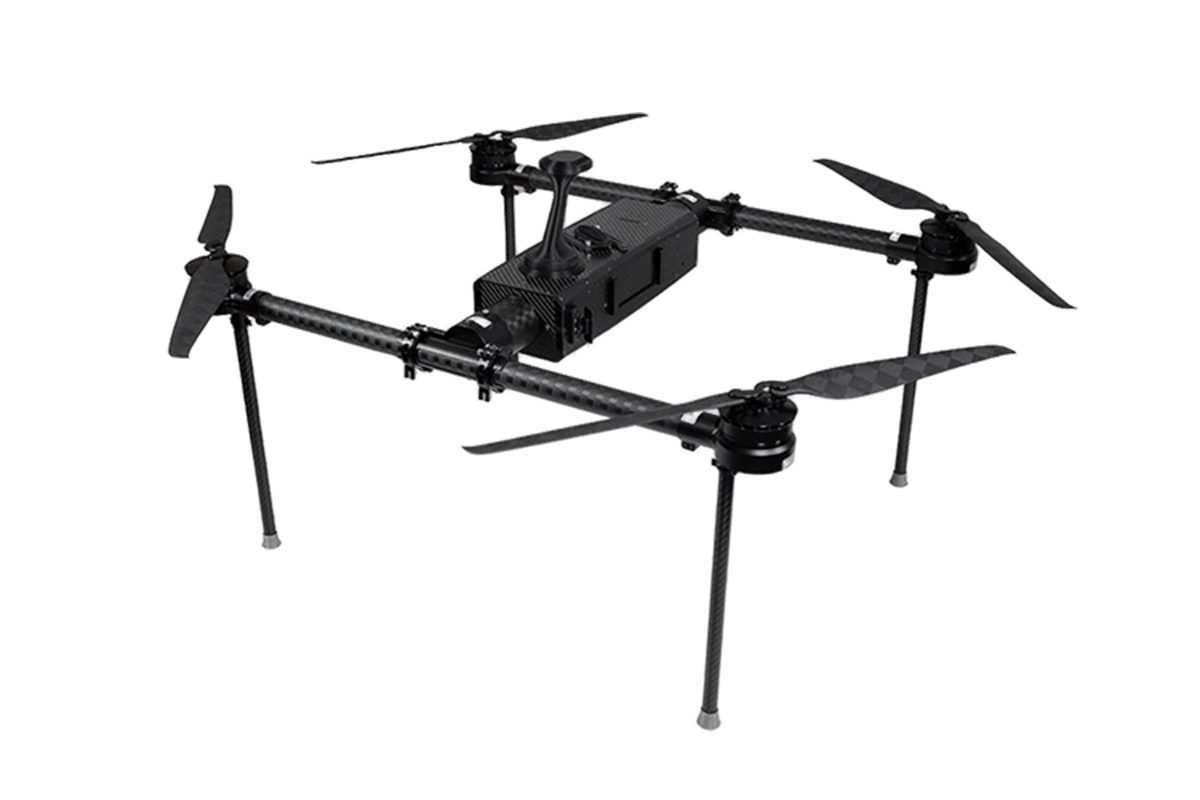 KEEL
KEEL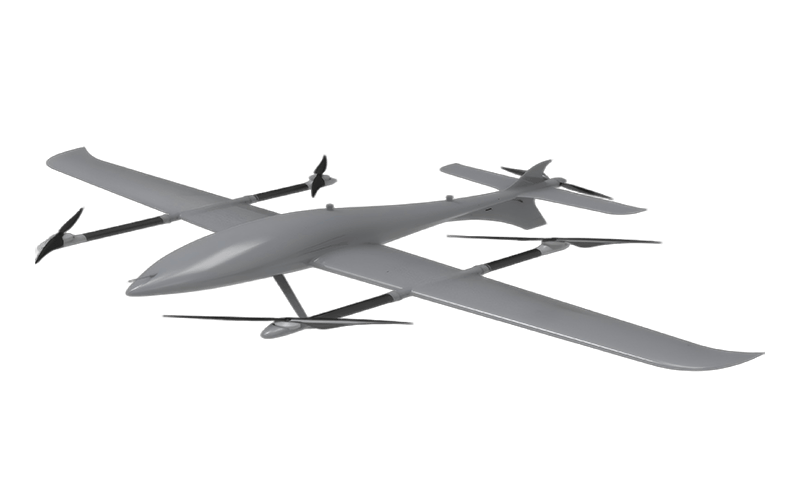 SKY NEXT
- DJI Matrice-4T
- DJI Matrice 4E Drone
- DJI Matrice 4TD
- DJI Matrice 30T
- DJI Mavic 3 Emterprise
- DJI Mavic 3M Multispectral Drone
- DJI RC 2 Plus Industry Plus
- DJI Matrice 4 Series Battery
- DJI Matrice 4D Series Batteries
- TB65 Intelligent Flight Battery
- TB100 Smart Flight Battery
- WB37 Battery
- DJI Accessories

In the world of farming, things are always changing, and Fertilizer Drones are really shaking things up for farmers these days. Looking ahead to 2026, it’s pretty exciting to think about what these little machines can do. Companies like DJI and Parrot are really pushing the envelope with precision agriculture, making farming smarter than ever.
These drones are a game-changer when it comes to spreading nutrients across huge fields. They can save farmers a ton of time and cut down on labor costs, which is definitely a plus. But, of course, it’s not all smooth sailing. There are some things farmers need to keep in mind—like the upfront costs and ongoing maintenance. Getting the application rates just right can also be a bit tricky.
When we look at the top Fertilizer Drones available in 2026, some potential issues crop up. For instance, certain models might have trouble in bad weather or may not have enough battery life for really large farms. Still, despite these bumps in the road, the outlook is pretty positive for those open to embracing this kind of tech and taking farming to the next level.

Overview of Fertilizer Drones and Their Importance in Agriculture
Fertilizer drones have transformed modern agriculture. These innovative devices assist farmers in delivering nutrients efficiently. They can cover large areas quickly, saving time and labor costs. Moreover, drones help minimize waste with their precise application of fertilizer, leading to healthier crops and improved yields.
When considering fertilizer drones, it's vital to assess the terrain of your farm. Different drones excel in various environments. Some models are better suited for hilly areas, while others handle flat fields with ease. Understanding your landscape is key.
Farmers should also factor in battery life and payload capacity. These aspects can dramatically influence your operational efficiency.
Tips for effective use include performing routine maintenance checks. Keeping your drone in optimal condition prevents unexpected breakdowns. Additionally, calibrating your drone before each use ensures accuracy. Take time to adjust settings based on weather conditions.
Wind can affect the dispersal of fertilizers, so pay attention to forecasts. Consider using drones for smaller plots to refine your techniques before scaling up. This gradual approach can lead to valuable learning experiences.

Maximizing Efficiency in Industrial Operations: The Impact of KEEL's Ultra-Long Flight Time Modular Drone
In the ever-evolving landscape of industrial operations, maximizing efficiency is paramount for achieving optimal productivity and cost-effectiveness. The introduction of ultra-long flight time modular drones is transforming how industries approach tasks requiring extensive aerial surveillance, data collection, and logistics support. Engineered specifically for long-range operations, these industrial-grade drones provide unmatched endurance and versatility, making them ideal for demanding professional applications across various sectors, including agriculture, construction, and environmental monitoring.
The innovative design of these drones not only supports extended flight durations but also allows for modular capabilities that can be tailored to meet specific operational needs. This means they can effortlessly adapt to different payloads and technologies, enhancing their utility in real-time data acquisition and analysis. As industries strive to streamline their processes and reduce downtime, the introduction of such versatile drones signifies a substantial leap toward achieving greater operational efficiency. By utilizing the extended flight times and capabilities of these drones, businesses can optimize their aerial operations, ensuring that they stay ahead in a competitive market.

FAQS
: Fertilizer drones optimize nutrient application in farming. They save time and labor for farmers.
No, not all models are consistent. Research is needed to ensure efficiency and reliability.
Some drones feature sensors that map soil conditions in real-time. This allows for targeted fertilization.
Miscalculations can lead to over-fertilization, wasting resources. Testing different models is essential.
Some drones have short battery lives. This can be a challenge for larger farms requiring longer usage.
Frequent repairs can increase operational costs. It's vital to consider maintenance when choosing a drone.
Yes, training may be needed to operate drones effectively. Infrastructure can also vary by region.
Farmers need to understand airspace rules and safety standards. Complying with regulations is crucial for legality.
Different regulations across states can complicate drone operations. Larger farms may face additional challenges.
Legal adaptations require diligence and ongoing education. Failing to comply can lead to fines or penalties.
Conclusion
In 2026, fertilizer drones have become an essential tool in modern agriculture, revolutionizing how farmers apply nutrients to their crops. These innovative devices not only enhance efficiency but also promote sustainable farming practices. Key features to consider when selecting a fertilizer drone include payload capacity, flight time, precision application technologies, and user-friendly interfaces. With a variety of models available, it is crucial for farmers to conduct a comparative analysis of cost-effectiveness to ensure the best investment for their specific needs.
As drone technology evolves, regulatory considerations must also be taken into account, ensuring compliance with local aviation laws while maximizing the benefits of drone usage in farming. Future trends indicate a continuous integration of artificial intelligence and advanced analytics, further streamlining farming operations. To effectively incorporate fertilizer drones into existing practices, farmers can follow strategic tips that facilitate a smooth transition and enhance overall productivity.
Related Posts
-

Top 10 Benefits of Using Fertilizer Drones in Agriculture?
-

Top Benefits of Agriculture UAVs for Modern Farming Practices
-

Top Agri Drone Tips for Effective Smart Farming?
-

2026 Top Farming Drones What You Need to Know?
-

Top 10 Benefits of Using Agrispray Drones in Agriculture?
-

Farming Drones Tips for Boosting Your Crop Yields?
