0%

Picking the right Commercial UAV solutions can feel pretty overwhelming these days, right? With so many options out there, it’s really important to understand exactly what your business needs. Companies like DJI, Parrot, and senseFly all have their own platforms, but each one has its own set of features and quirks. So, it’s not just about going for the latest or most popular—think about what actually fits your goals.

Ask yourself—what are you really looking to do with a UAV? Are you into capturing aerial shots, doing land surveys, or inspecting infrastructure? Honestly, narrowing down your main purpose will make your choice so much easier. A lot of folks skip this step, and then they end up with a drone that doesn’t quite cut it for what they need, which can be super frustrating.

Oh, and don’t forget about quality and support. Even the coolest drone is no good if the company doesn’t have your back when things go wrong. Do you trust the brand? Looking at user reviews and getting some expert opinions can help clear up the picture. Choosing the right commercial UAV isn’t just about the fancy tech—it’s about finding a solution that genuinely works for your specific needs. Take your time, stay open-minded, and you’ll end up with the right setup for your business.

How to Choose the Best Commercial UAV Solutions for Your Needs?

Understanding Your UAV Requirements for Commercial Applications

Choosing the right UAV for commercial applications starts with understanding your specific needs. A report from the Drone Industry Insights reveals that 70% of commercial UAV users prioritize payload capacity. If your operations involve heavy sensors or equipment, select a UAV that can accommodate these weights without compromising flight duration or stability.

Another critical aspect is flight time. According to a study by the Federal Aviation Administration, the average flight time for commercial UAVs is approximately 25 minutes. This may not suffice for large-scale operations that require extended aerial coverage. Users must also consider battery management systems that extend operational capabilities. Reliability often hinges on how these factors align with your operational objectives.

Moreover, software integration plays a crucial role in the efficiency of UAV operations. The right UAV should seamlessly interface with your existing systems. A mismatch can lead to data inconsistencies. Many users overlook the importance of post-processing software, which is vital for transforming raw data into actionable insights. This oversight can delay project timelines and inflate costs, highlighting the need for careful planning.

Evaluating Different Types of UAVs for Specific Industries

How to Choose the Best Commercial UAV Solutions for Your Needs?

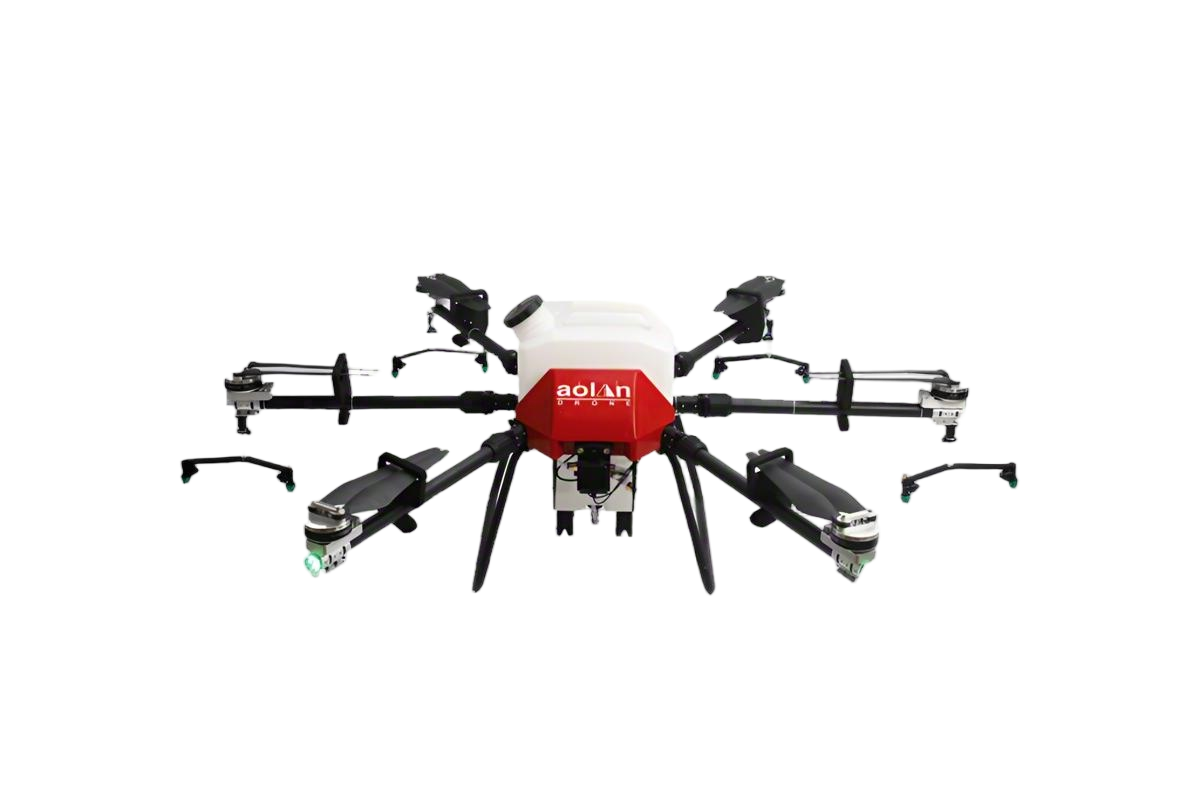
When evaluating UAVs for specific industries, it’s essential to understand the unique needs of each sector. For agriculture, drones equipped with multispectral cameras can aid in precise crop monitoring. In construction, UAVs with LiDAR can efficiently map large sites, saving time and resources. Identifying these requirements ensures you select the right technology.

Tips: Consider your primary goals. What are you hoping to achieve? This clarity will guide your decision. Think about the area of operation. Different environments pose various challenges. For example, coastal areas might require drones with better corrosion resistance.

UAV technology varies widely. Some drones focus on surveillance, while others prioritize transport. In emergency services, quick deployment and ease of use are crucial. Reflect on your team’s expertise. A complex drone model may not be practical if training resources are limited. Balancing capabilities with user-friendliness can lead to better results.

Comparing UAV Features: Camera Quality, Range, and Payload Capacity

How to Choose the Best Commercial UAV Solutions for Your Needs?

When selecting a commercial UAV solution, camera quality, range, and payload capacity are crucial factors. High-resolution cameras deliver clear images and videos. They benefit industries like agriculture, construction, and real estate. However, some users might overlook resolution details, focusing more on price than performance. Ensure the camera fits your specific needs.

Range is another essential attribute. It determines how far the UAV can operate from the controller. Many UAVs provide impressive ranges, but environmental factors can affect this. Understanding your operational area is vital. A longer range offers flexibility but might compromise battery life. Users should balance both aspects for optimal performance.

Payload capacity refers to the UAV's ability to carry additional equipment. Some users might underestimate the weight limits. This can lead to subpar performance and even crashes. Properly assessing your payload requirements ensures safe and efficient operations. It's worth considering how each feature aligns with your specific mission objectives.

Assessing Regulatory Compliance and Safety Standards for UAVs

When considering commercial UAV solutions, regulatory compliance and safety standards should be at the forefront of your evaluation. Regulatory bodies set specific guidelines for UAV operation. Each country may have unique rules governing airspace use. Understanding these regulations is crucial to avoid potential fines or legal issues. Gathering updated information on these regulations can be challenging. An organization’s past experiences can guide you in interpreting these rules more effectively.

Investing in UAVs that comply with safety standards is essential. These standards are developed to protect both operators and the public. Inadequate safety measures can lead to accidents. When choosing a UAV, look for models that meet established certification requirements. Features like fail-safe systems and geofencing capabilities enhance safety. However, even well-regulated UAVs can have limitations. It’s vital to continuously assess safety training and operational protocols within your team.

Commercial UAV operations often encounter unexpected challenges. Adapting to regulatory changes while maintaining safety can be overwhelming. Real-world scenarios might compel you to rethink your UAV strategy. Regular audits can help identify gaps in compliance or safety. It’s important to stay informed about evolving regulations and emerging safety practices. This proactive approach will not only help in compliance but also in fostering a culture of safety.

Analyzing Cost versus Long-term Value of UAV Solutions

When evaluating UAV solutions, understanding cost versus long-term value is critical. Initial costs can be deceptively low. A report by Drone Industry Insights reveals that while basic models may start around $1,000, high-performance options can soar to $20,000 or more. This price often reflects capabilities that are essential for commercial applications.

Long-term value considers several factors beyond the purchase price. Maintenance costs, technological upgrades, and potential downtime greatly affect overall expenses. For instance, the Association for Unmanned Vehicle Systems International (AUVSI) indicated that effective UAVs can reduce operational costs by up to 30% over five years. However, if the initial investment is low and the model becomes obsolete, the savings might not materialize.

Furthermore, businesses should evaluate the potential for operational efficiency. Some UAVs can enhance workflow and gather data in real-time. This efficiency translates to significant savings. Yet, if the initial model doesn’t integrate well with current systems, companies may find themselves re-investing sooner than expected. Understanding these nuances ensures that the chosen UAV truly aligns with business goals and delivers value over time.

Cost vs Long-term Value of Commercial UAV Solutions

This chart compares the initial costs and projected long-term values of various commercial UAV solutions. Option A provides the lowest cost but also lower long-term value, while Option D, despite a higher initial cost, offers the greatest long-term return on investment.

Researching Manufacturers and Key Players in the UAV Market

When researching UAV manufacturers and key players in the market, it's crucial to consider several factors. Start by investigating the company's track record. Look for manufacturers with proven experience in commercial UAV solutions. Their history can often indicate reliability. You want a company that understands your specific needs.

Examine the product range offered by manufacturers. Some companies specialize in specific applications, such as agriculture or surveillance. Others may provide versatile options for various industries. This diversity allows for tailored solutions that meet unique requirements. Engage with customer reviews and case studies, as they can offer insights into real-world performance.

Tips: Focus on companies with strong customer support. Robust support can make a significant difference after your purchase. Don't hesitate to ask for demos or trials to understand the UAV's capabilities. Lastly, consider any after-sales services. These can enhance your overall experience and help you navigate challenges later on.

Remember that market trends shift quickly. New players may emerge with innovative solutions that could suit your needs better. Stay updated and be willing to reevaluate your choices. The UAV market is dynamic, and your needs might change over time. Making informed decisions requires ongoing research of the manufacturing landscape.

Exploring Customer Reviews and Case Studies to Inform Your Decision

When selecting the best commercial UAV solutions, customer reviews and case studies serve as vital resources. An industry report from Drone Industry Insights indicates that over 70% of businesses rely on peer feedback before making a purchasing decision. Real-world user experiences highlight the importance of reliability and performance in various applications.

Evaluating case studies can provide insights into specific use cases. For instance, a construction company might illustrate how UAVs improved site monitoring efficiency by 40%. This kind of data helps potential buyers understand the expected benefits and limitations of different solutions. Look for trends in customer feedback that emphasize the adaptability and support provided by UAV vendors.

Tip: Always read multiple reviews. They can reveal hidden issues or exceptional service experiences that may influence your choice. Engaging with user forums can also uncover nuanced opinions that reports might overlook. Consider both positive feedback and critical reviews to gauge overall satisfaction. Remember, a solution might excel in one area while falling short in another, so balance is key in your evaluation.

FAQS

: What should I prioritize when selecting a U

V for commercial use?

How important is flight time for UAV operations?

Flight time matters greatly. Average commercial UAV flight time is about 25 minutes.

What is often overlooked in UAV purchases?

Many users overlook post-processing software. This software is crucial for converting data into insights.

How can UAV technology vary by industry?

Each industry has unique needs. For example, agriculture benefits from drones with multispectral cameras.

What should I consider about my project goals?

Clearly define your goals. Knowing what you want helps shape your UAV selection process.

How do initial costs compare to long-term value?

Initial costs can be low, but the true value often comes from maintenance and upgrades.

Why is integration with existing systems important?

A mismatch can cause data issues. Ensure your UAV works well with your current systems.

What factors affect operational efficiency with UAVs?

Consider workflow integration. Effective UAVs can gather data quickly and save you time.

How can training impact UAV use?

Complex models need more training. Simpler models might be better if your team's expertise is limited.

What hidden costs might arise with UAVs?

Watch for maintenance and potential obsolescence. Unexpected costs can arise from poorly chosen models.

Conclusion

When considering the best Commercial UAV Solutions for your needs, it's essential to first understand your specific requirements based on the intended commercial applications. Different industries may necessitate different types of UAVs, each designed with unique features like camera quality, range, and payload capacity. It's equally important to assess regulatory compliance and safety standards, as these can significantly impact your operations.

Moreover, evaluating the cost versus long-term value of various UAV solutions can help in making a financially sound decision. Researching manufacturers and key players in the UAV market will provide insight into the reliability and support available. Lastly, exploring customer reviews and case studies can highlight real-world applications of Commercial UAV Solutions, guiding you toward an informed choice tailored to your business needs.

Charlotte

Charlotte

Charlotte is a dedicated marketing professional with a deep expertise in the UAV systems developed by UUUFLY. Her commitment to integrated innovation across hardware, algorithms, and data operations positions her as a driving force in delivering cutting-edge solutions for power, agriculture, and......
Previous How to Use Construction Drones for Efficient Project Management?