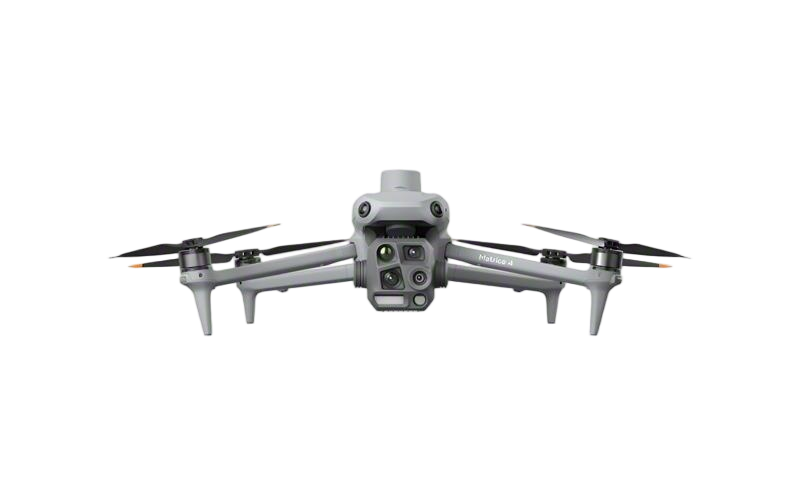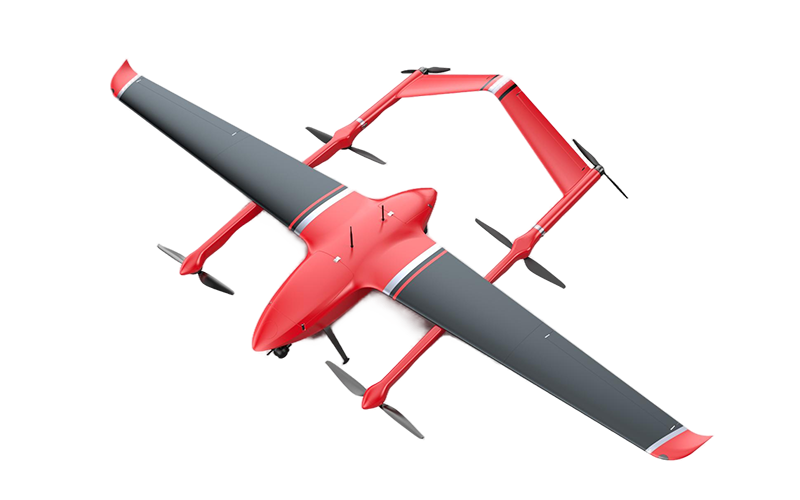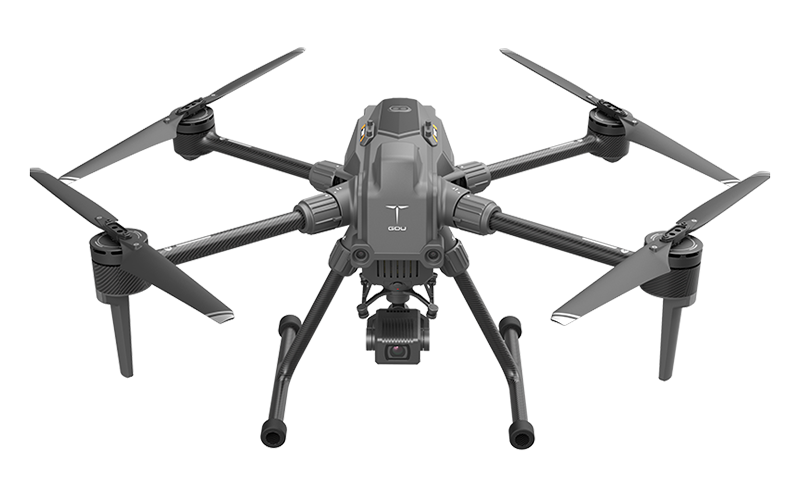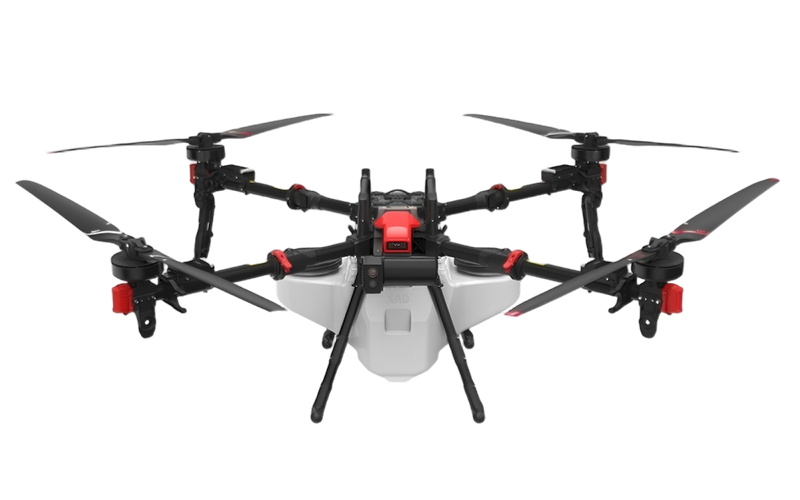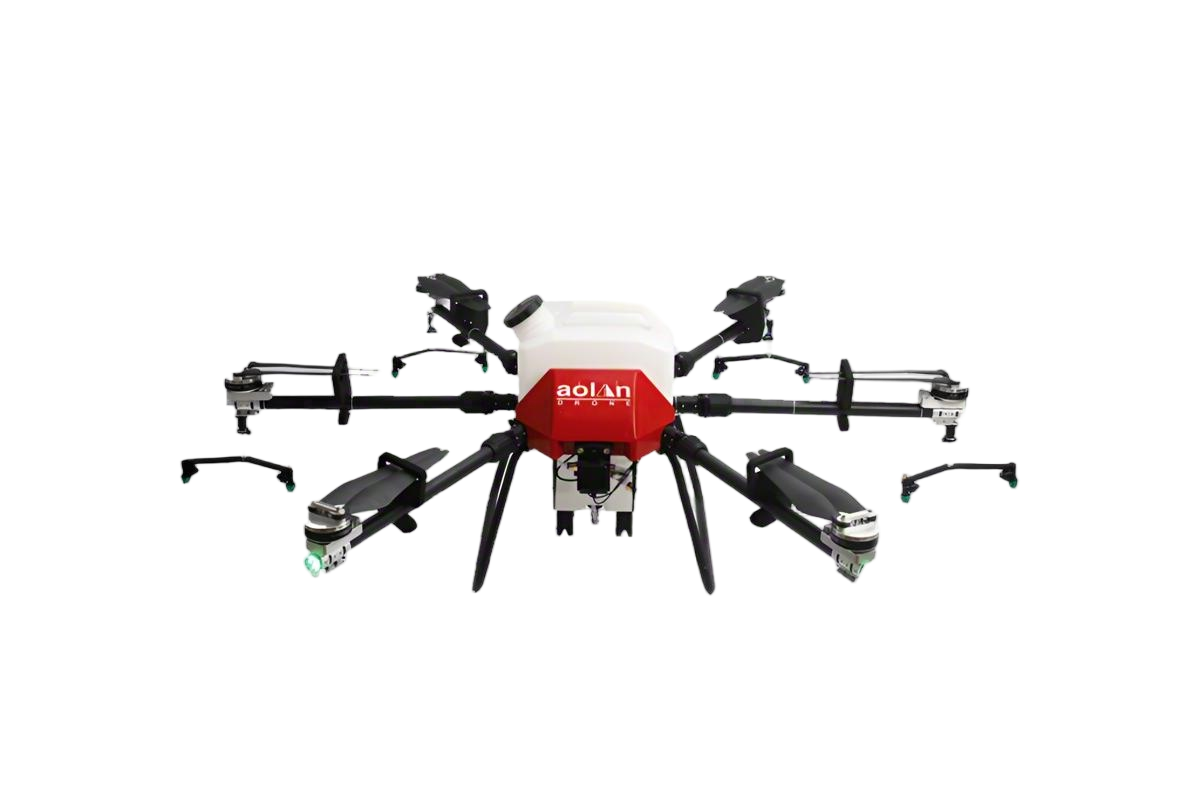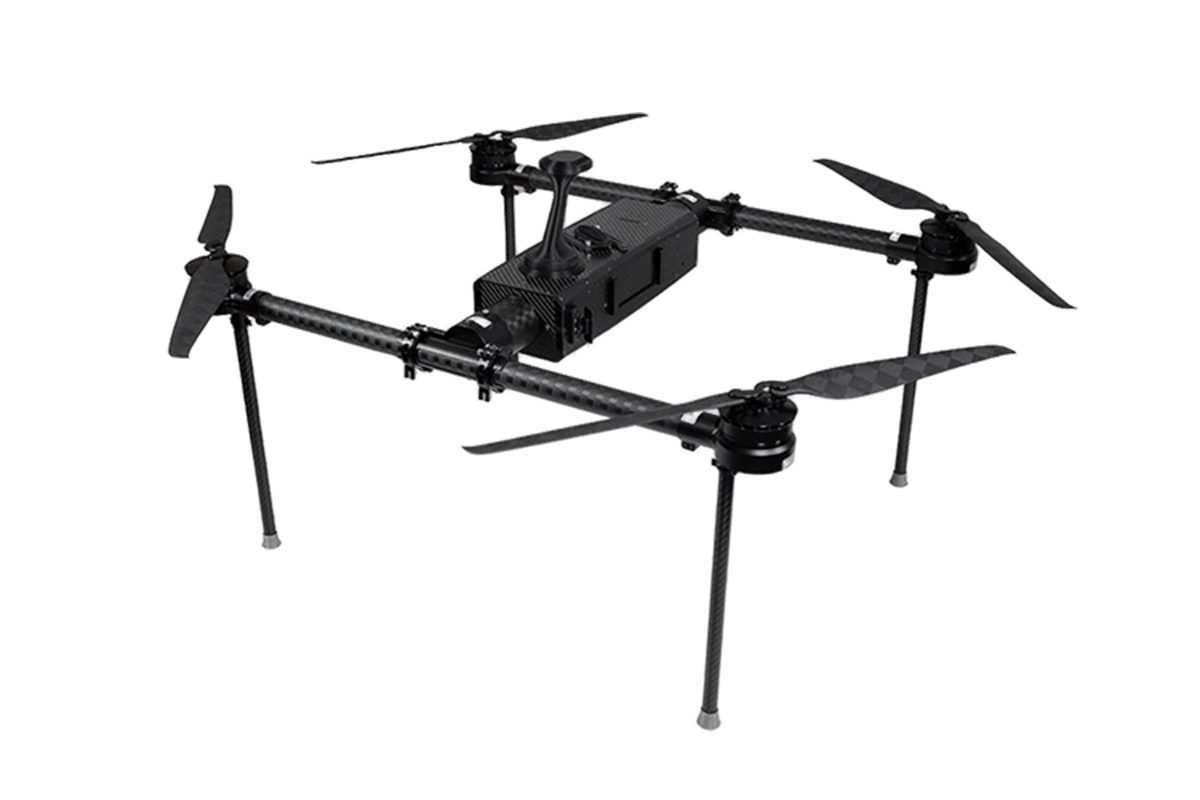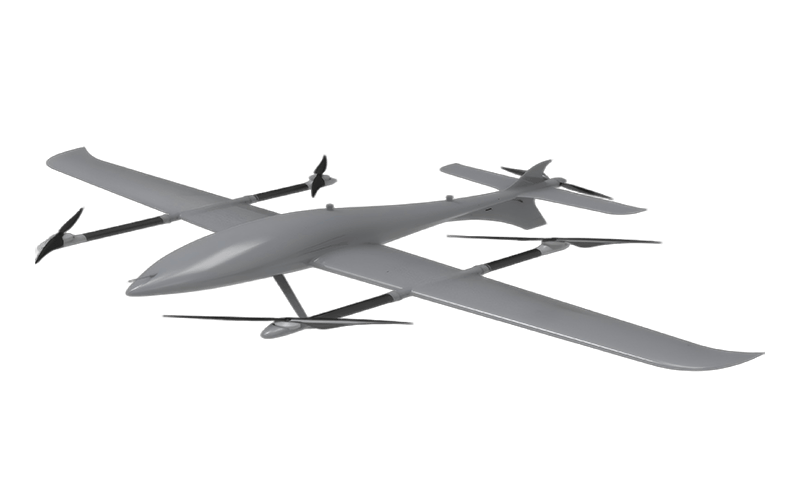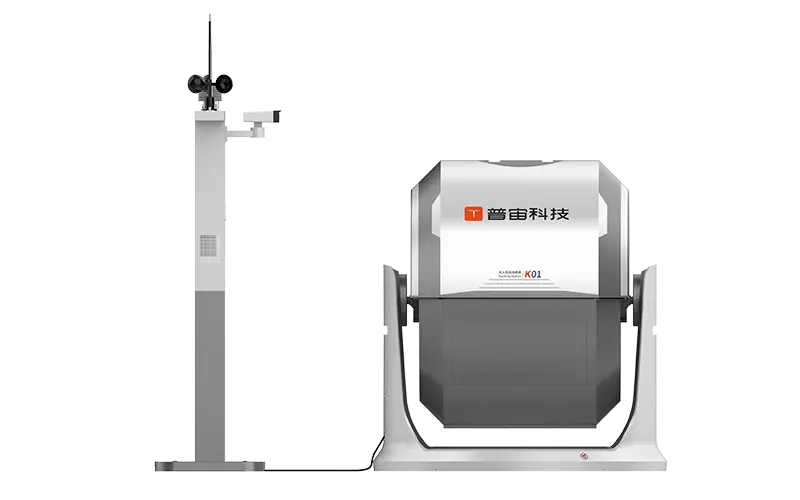
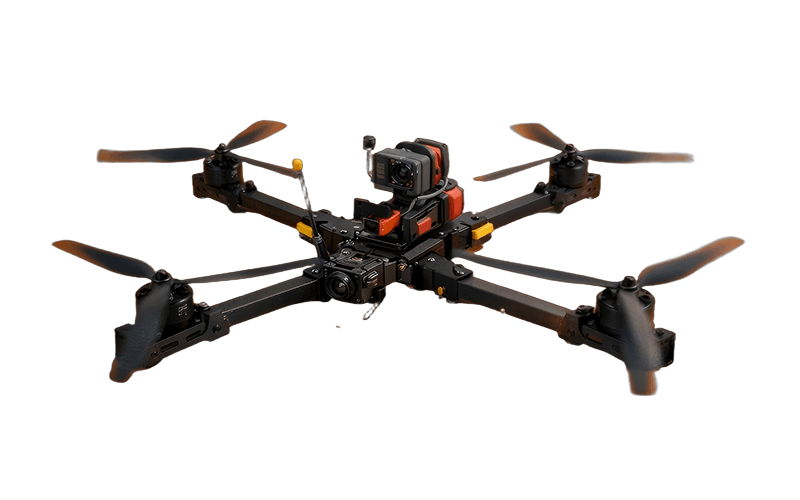
The construction world is going through a pretty big shift, mainly thanks to all these new tech innovations. One of the most exciting developments? Construction drones. They've really shaken things up. I recently read that the global market for construction drones is expected to hit around $11.2 billion by 2025, and it's growing at a crazy 32.7% annually! That shows just how much folks are leaning on aerial tech to get things done faster and manage projects more smoothly.
Drones are fantastic for collecting data, surveying sites, and keeping an eye on progress. They can cut down survey times by up to 75%, all while providing real-time, spot-on data—which is a total game-changer. Companies like Skycatch and DroneDeploy are leading the charge here, offering tools that are pretty much built just for construction needs. But, honestly, not every company is jumping in headfirst. Some struggle to train their staff properly or to adapt their existing workflows, which can lead to not seeing the full benefits—or worse, a disappointing return on investment.
And then there’s the tricky part—regulations. Using drones isn’t just plug and play; you have to stay on top of FAA rules and keep training your team to stay compliant. So, while these drones can bring huge advantages, businesses really need to think carefully about how they’re going to implement them and invest in employee training. As the industry continues to evolve, paying attention to these details will probably be the key to truly harnessing the potential of aerial tech and making the most out of what drones can do for construction projects.
Construction drones have emerged as transformative tools in project management. Their capabilities extend beyond traditional surveying and mapping tasks. According to the 2022 McKinsey report, the construction industry can save up to $1.6 trillion annually by adopting innovative technologies, including drones. These devices provide real-time imaging, ensuring better visibility of ongoing projects. They can facilitate inspections, monitor progress, and help in resource allocation effectively.
Leveraging drone technology can significantly enhance project efficiency. For instance, drones can capture high-resolution images from various angles, which can be analyzed for quality assurance. A study from the National Institute of Standards and Technology indicates that using drones improves project scheduling accuracy by over 30%. This reduced time can lead to cost savings, but proper training is crucial. Ensure your team is equipped to operate these drones safely and effectively.
Tip: Start with small projects to build expertise. Familiarize your team with drone functionalities to maximize their benefits. Regular data reviews can identify issues early, leading to timely solutions. Regularly evaluate your drone technology’s performance and be open to adjustments, as this will enhance project outcomes and learning.
Drones have transformed construction project management significantly. By leveraging aerial imagery and real-time data, they boost efficiency. A study by MarketsandMarkets indicates that the construction drone market is expected to reach $1.4 billion by 2024, driven by their benefits in project oversight and site management.
One key advantage of using drones is their ability to conduct site surveys quickly and accurately. Traditional methods can take days, but drones can capture site data in mere hours. This rapid collection of information helps project managers make better decisions and track progress effectively. However, it's essential to ensure that drone operators are trained. Misinformation due to inexperienced use can lead to costly mistakes.
Tips: Regularly update your drone technology and software. Invest in training for your team. Also, be mindful of privacy concerns. Knowing local regulations is a must for compliance and trust-building with the community. Drones can enhance overall safety by identifying potential hazards on-site, but reliance solely on technology could overlook human factors. Always balance tech usage with human insight for optimal project management.
Preparing a drone for construction site assessments requires careful planning and execution. First, ensure the drone is equipped with the right sensors. High-resolution cameras can capture detailed images. LiDAR technology is useful for mapping and surveying. These tools enhance data collection and analysis.
Before launch, perform regular maintenance checks. Inspect the drone's battery life and propellers. A malfunctioning component can lead to inaccurate assessments. Conduct a test flight in an open area. This helps identify potential issues early on.
Once on-site, establish a clear flight plan. Define the area to be surveyed and ensure regulatory compliance. Communicate with the team about the drone’s function in the assessment. Be prepared for weather changes. Conditions like high winds can affect flight stability. Adjust your plans accordingly to maintain data quality.
Aerial imaging and surveying techniques using construction drones have transformed project management. These tools provide real-time data that enhances decision-making. Drones can capture high-resolution images and create detailed topographical maps. This information is crucial for identifying potential issues before they escalate.
Tips: When using drones, always consider the weather. Poor visibility can affect data quality. Ensure that the drone is equipped with the right camera for the task. Battery life is another important aspect; plan flights accordingly.
Surveys conducted via drones can be faster than traditional methods. Drone technology often reduces the time spent on-site. However, it requires skilled operators familiar with both the technology and site conditions. Regular training can bolster effectiveness and reliability. Lastly, integrating drone data with other project management tools can streamline workflows. This must be a carefully managed process. Misalignment can lead to discrepancies in project execution.
Integrating drone data into project management software can significantly enhance efficiency in construction projects. According to a report from the Construction Industry Institute, utilizing drones can improve productivity by up to 30%. Drones capture real-time data, providing insights that are invaluable for decision-making. These insights can highlight potential delays and help maintain project timelines.
Tips: Regularly sync drone data with your project management platform. This keeps the team updated and ensures timely responses. Use detailed aerial maps generated by drones to identify site issues early.
Incorporating drone data allows for better resource allocation and reduces wastage. However, it’s crucial to be cautious. Not all software may effectively process drone data. It's important to choose compatible systems. Some teams report challenges in integrating new technology with existing workflows, which can lead to frustration.
Tips: Provide training for staff on new technologies. This promotes smoother adoption and leverages drone capabilities fully. Regular feedback sessions can improve overall integration processes.
| Project Name | Drone Type | Data Collected | Integration Tool | Usage Frequency | Key Benefits |
|---|---|---|---|---|---|
| Project Alpha | Quadcopter | Aerial Mapping | Project Management Software A | Weekly | Improved Site Visibility |
| Project Beta | Fixed-Wing | Structural Inspection | Project Management Software B | Monthly | Time Savings on Inspections |
| Project Gamma | Hybrid Drone | 3D Modeling | Project Management Software C | Biweekly | Enhanced Project Planning |
| Project Delta | Multirotor | Progress Monitoring | Project Management Software D | Daily | Real-time Updates |
Drones are transforming construction management. However, compliance with regulations and safety standards is crucial. Each project must ensure drone operations align with local laws. Starting with the Federal Aviation Administration (FAA) regulations is key in the United States. Operators must register drones and obtain a Remote Pilot Certificate.
Safety planning is vital. A site-specific risk assessment helps identify potential hazards. Ensure that team members are trained in drone safety protocols. Consider weather conditions before deployment. High winds can impact flight stability. Awareness of nearby structures is essential to reduce risks.
Tips for compliance: Always keep accurate flight logs. Document the purpose, duration, and personnel involved in each flight. Regularly review and update safety procedures. Engage with local authorities to stay informed. Regulations change often, and staying updated is a responsibility for all operators. Legal compliance protects your project and promotes a safe work environment.
The use of drones in construction projects has shown significant improvements in efficiency. One notable case study involved a large residential complex. Drones were utilized for site surveys and progress monitoring. This led to a 30% reduction in time spent on these tasks. According to a recent report by the Drone Manufacturers Alliance, about 70% of construction firms reported increased efficiency when implementing drone technology.
Another impressive example comes from a highway construction project. Here, drones helped in mapping and inspecting progress. The project manager noted that the aerial views provided insights that traditional methods missed. They saved nearly $150,000 in costs by preemptively addressing site issues detected through drone imagery. The use of drones proved to enhance accuracy by minimizing human error.
However, it's essential to consider the challenges. Some teams faced initial setbacks in drone training. There were concerns about data security and how to integrate drone data into existing systems. These reflections highlight that while drones provide advantages, structured implementation strategies are vital for success. Balancing drone use with team capabilities is crucial in maximizing project outcomes.
: Inspect the drone's battery life, propellers, and other components for maintenance.
High-resolution cameras and LiDAR enhance data collection, improving project assessments significantly.
Define the survey area and ensure compliance with regulations before beginning the flight.
High winds and poor visibility can affect flight stability and data quality during assessments.
Yes, drones provide real-time data that helps in decision-making and identifying potential project issues.
Skilled operators and regular training are crucial for optimizing performance and reliability.
Drone surveys are typically faster, though they require careful planning and execution to ensure accuracy.
Misalignment can cause discrepancies, potentially disrupting project execution and outcomes.
Conducting a test flight helps identify potential issues before the actual assessment begins.
A malfunction can lead to inaccurate data, affecting project decisions significantly.
Construction drones have emerged as a transformative tool in modern project management, offering unique capabilities such as aerial imaging and surveying techniques that enhance site assessments. By integrating drone-acquired data into project management software, construction teams can streamline operations and improve decision-making processes.
The benefits of using construction drones include increased efficiency, cost savings, and improved safety standards. As project managers prepare drones for site assessments, it is vital to ensure compliance with regulations and safety measures to maximize their potential. The article highlights successful case studies that demonstrate the effective implementation of construction drones, underscoring their role in optimizing construction project management and achieving timely project delivery.