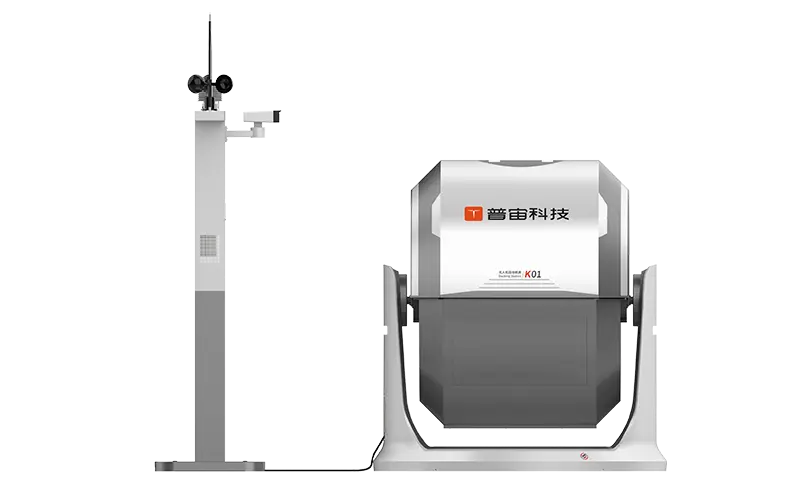
 GDU
GDU
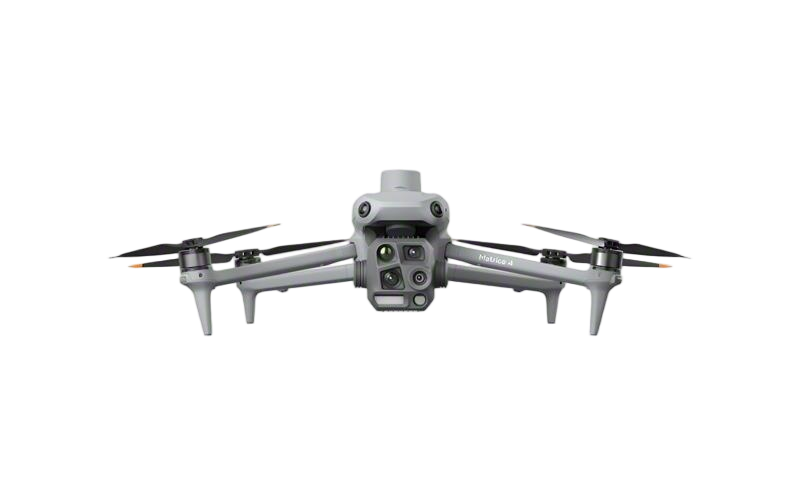 DJI
DJI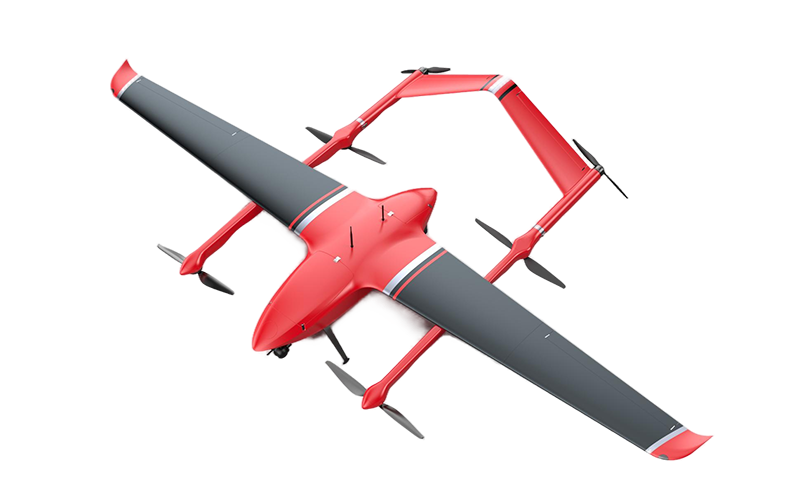 MMC
MMC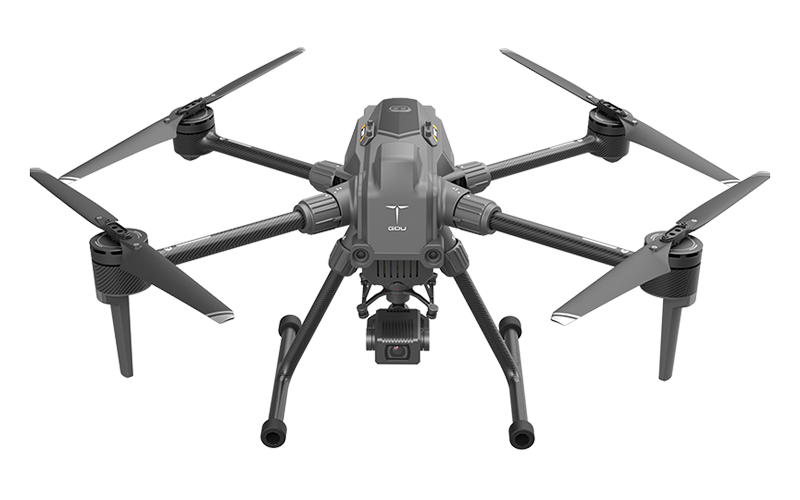 GDU
GDU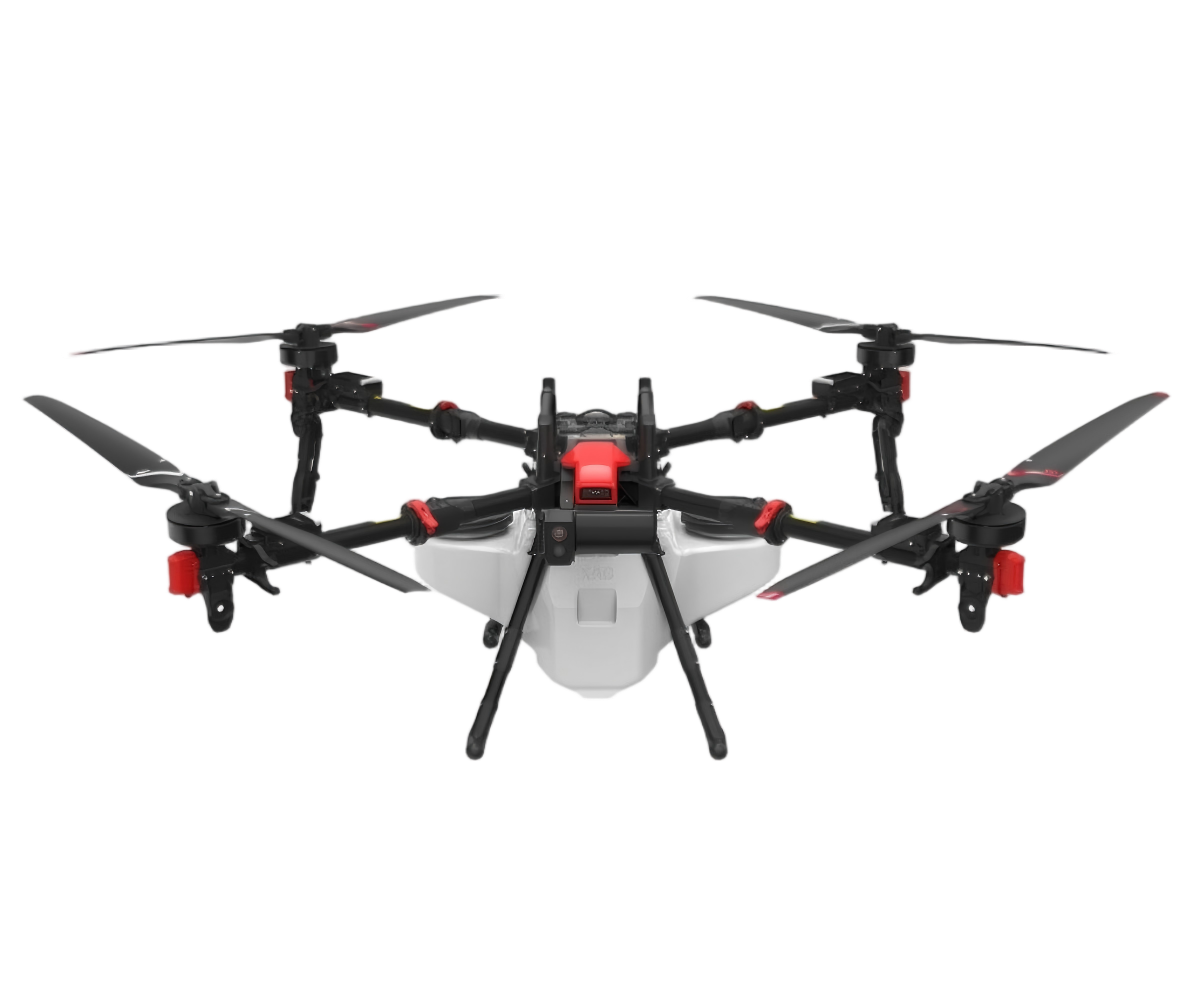 XAG
XAG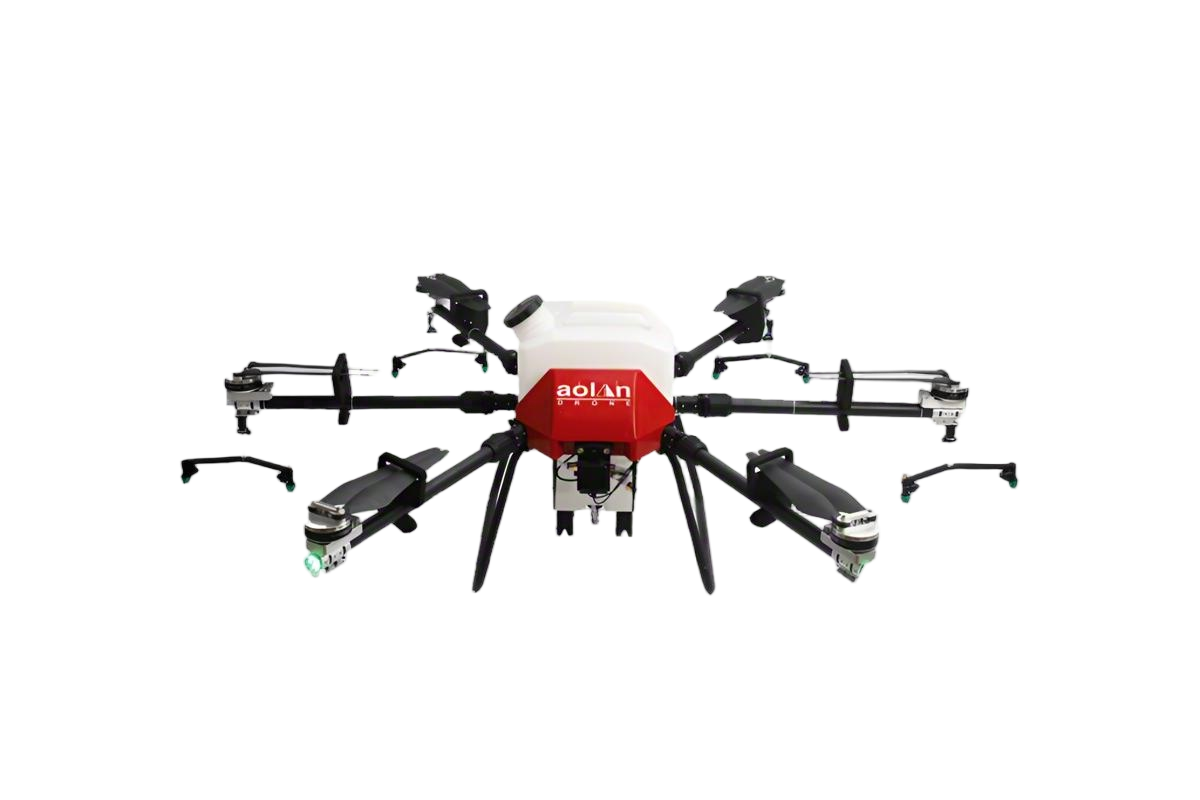 AOLAN
AOLAN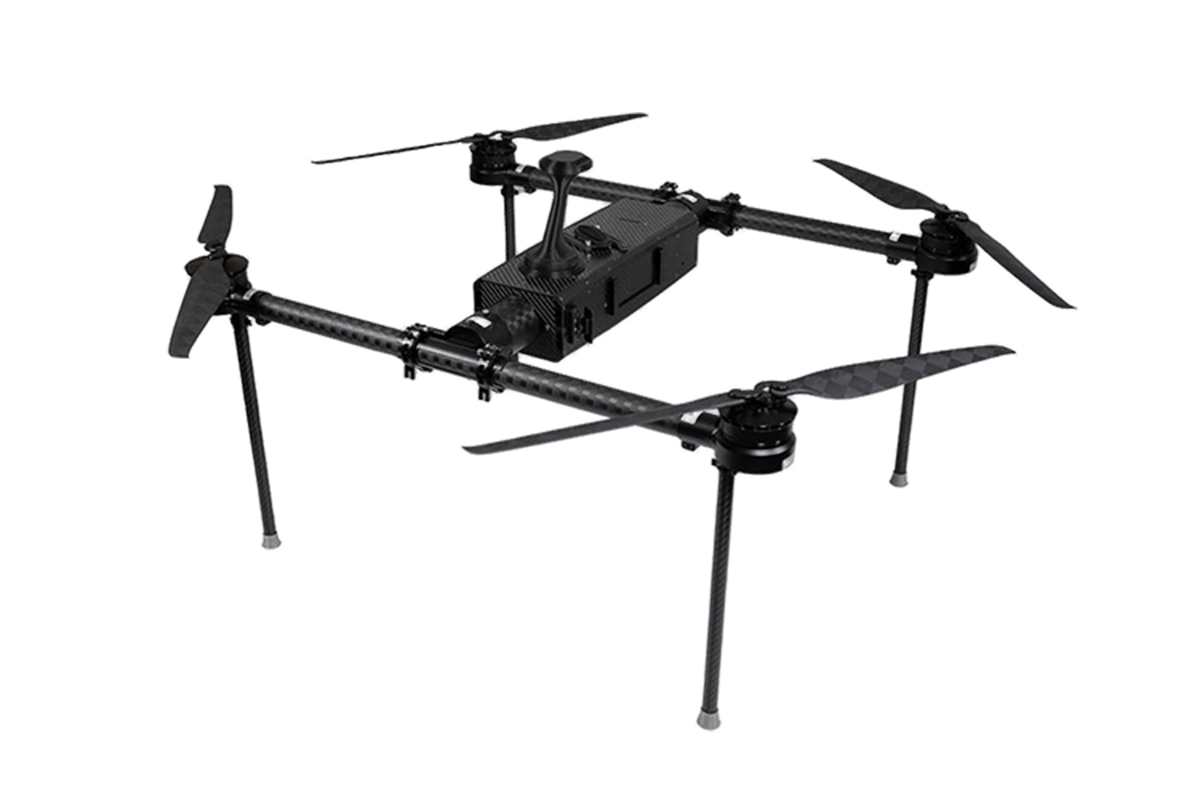 KEEL
KEEL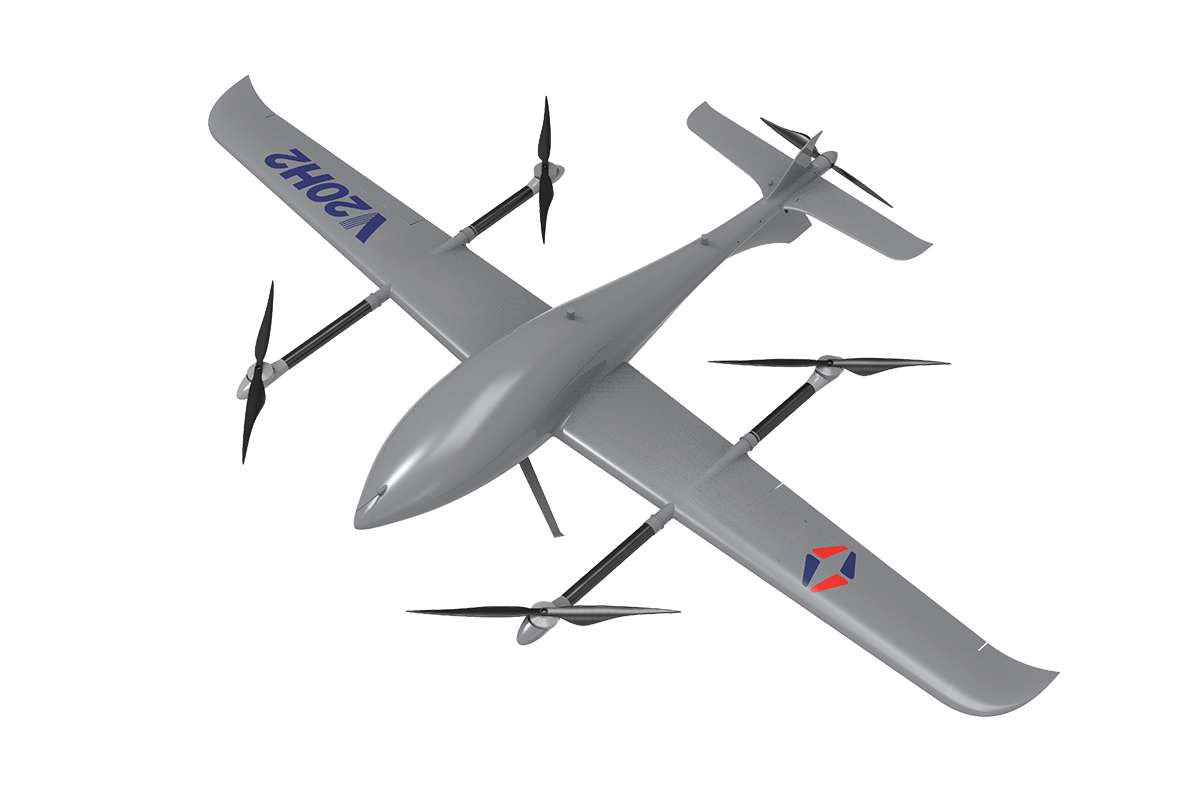 SKY NEXT
- DJI Matrice-4T
- DJI Matrice 4E Drone
- DJI Matrice 4TD
- DJI Matrice 30T
- DJI Mavic 3 Emterprise
- DJI Mavic 3M Multispectral Drone
- DJI RC 2 Plus Industry Plus
- DJI Matrice 4 Series Battery
- DJI Matrice 4D Series Batteries
- TB65 Intelligent Flight Battery
- TB100 Smart Flight Battery
- WB37 Battery
- DJI Accessories

Lately, thermal drones have really changed the game across a bunch of different industries. These high-tech flying gadgets can snap infrared images, which means you get to see heat signatures and patterns that you wouldn’t normally notice. Dr. Emily Roberts, who’s pretty much a go-to expert on thermal imaging at Infrared Innovations, mentioned that thermal drones offer some seriously unmatched insights for all kinds of uses. They’re used in farming, search and rescue missions, even in checking out buildings.
What’s cool is that thermal drones pick up differences in temperature, revealing tiny details that our eyes just can’t catch. Farmers can spot irrigation problems early on, and firefighters rely on them to find hotspots during a fire. That said, it’s not perfect—weather can mess with the accuracy, and getting the hang of operating these devices can be a bit tricky at first.
Sure, the tech’s come a long way, but there are still some hurdles to jump. Making sure they work reliably in all sorts of environments is a big deal, and companies need to keep pushing the boundaries through innovation. If they keep at it, the full potential of thermal drones might see the light of day someday soon, and things could get even more impressive with more research and development.

What is a Thermal Drone?
A thermal drone is an advanced aerial vehicle equipped with thermal imaging technology. Unlike standard drones, thermal drones can detect heat signatures. This capability is incredibly useful in various fields, including search and rescue, agriculture, and building inspections. The drone captures images based on temperature differences, making it a powerful tool even in low-light conditions.
Thermal drones are often utilized by firefighters to locate hotspots in a burning structure. They can identify areas that are still hot, helping teams to strategize their efforts more efficiently. In agriculture, farmers use them to assess crop health. The thermal camera highlights plants that need more water or are suffering from disease.
However, working with thermal drones isn't without challenges. The interpretation of thermal images requires skill and experience. Mistakes can lead to misjudgments about a situation. Furthermore, thermal imaging can be costly, making it less accessible for some users. A balance between cost and effectiveness is essential for optimal use of this technology. Embracing these imperfections can lead to better understanding and innovative solutions in the field.

Unlocking Precision: The DJI Matrice 4T with DJI Care Enterprise for Advanced Thermal Applications
The advancement in drone technology has significantly transformed the realm of precision inspections, particularly with the integration of both dual visible and thermal imaging capabilities. This dual imaging approach caters to a broad spectrum of industries, including infrastructure, energy, and environmental monitoring. By combining high-resolution visible imaging with accurate thermal data capture, operators can detect anomalies that would otherwise go unnoticed. This enhanced visibility allows for proactive maintenance, improved safety, and optimized operations.
In the context of advanced thermal applications, the use of cutting-edge drones equipped with robust imaging technology has redefined inspection protocols. The ability to visualize thermal variations in real-time elevates the efficiency of inspections, enabling teams to identify issues such as heat loss, electrical hotspots, or structural weaknesses early on. The integration of such sophisticated features not only streamlines workflow but also contributes to resource conservation, reducing the need for time-consuming manual checks and lowering downtime.
Moreover, with the added assurance of comprehensive support services, operators can fully leverage these advanced tools. The combination of precision technology and reliable support encapsulates a new era of inspection capabilities, empowering professionals to achieve unmatched accuracy and reliability in their work. As industries continue to evolve, the demand for advanced thermal applications will only grow, driving further innovation in drone technology and inspection methodologies.

FAQS
: The product is designed to enhance daily activities. It aims to improve efficiency and enjoyment.
Anyone can use it, regardless of age. It's suitable for various lifestyles and needs.
Follow the provided instructions carefully. Experiment with different settings for optimal results.
Some users may overlook important details in the guide. Ignoring safety tips is another frequent issue.
Troubleshooting steps are available in the manual. Contact support if problems persist.
Yes, it is designed for both indoor and outdoor use. Ensure it’s weather-resistant for outdoor activities.
Regular cleaning is essential. Use a damp cloth and mild soap for best results.
A limited warranty is included. Review the terms for specific coverage and limitations.
Returns are allowed within a specific period. Ensure it’s in original condition for a full refund.
While it has unique features, personal preferences may vary. Consider what matters most to you.
Conclusion
A thermal drone is an unmanned aerial vehicle equipped with thermal imaging technology that allows it to detect heat signatures from objects on the ground. These drones typically consist of key components such as high-resolution thermal cameras, GPS systems, and data processing units, which work together to capture and analyze thermal imagery. The thermal imaging operates by measuring the infrared radiation emitted by objects, enabling users to visualize temperature variations and identify targets in various conditions, including darkness and obscured environments.
Thermal drones have a wide range of applications across industries, including search and rescue operations, building inspections, wildlife surveys, and agricultural monitoring. The benefits of using thermal drones include increased efficiency, enhanced safety, and the ability to cover large areas quickly. However, they also face limitations such as regulatory challenges and environmental factors affecting thermal readings. Looking ahead, advancements in thermal drone technology are expected to drive innovations in capabilities, making them even more advantageous for various applications.
Related Posts
-

Best Thermal Drones for Aerial Inspections and Monitoring?
-

Top Tips for Using Thermal Drones Effectively?
-

How to Choose the Best Agricultural Drones for Your Farm?
-

2026 Top Farming Drones What You Need to Know?
-

How to Choose the Best Enterprise UAVs for Your Business Needs
-

Top 10 Logistics Drones Transforming Delivery Services?
