 GDU
GDU
 UUUFLY
 DJI
DJI MMC
MMC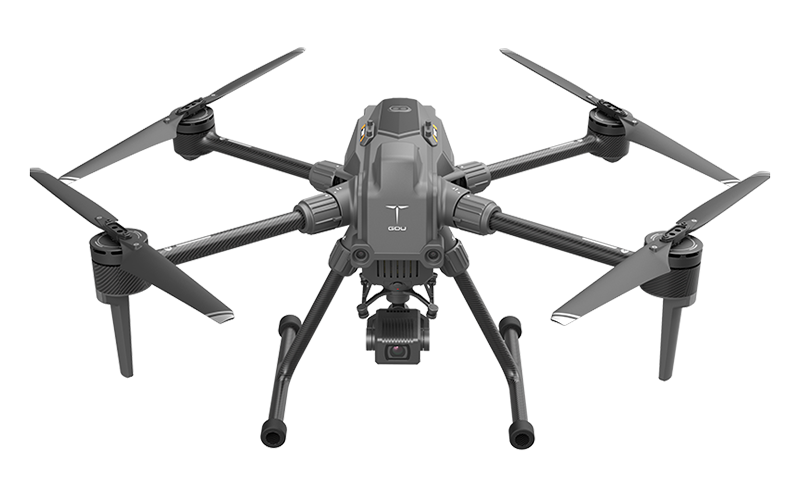 GDU
GDU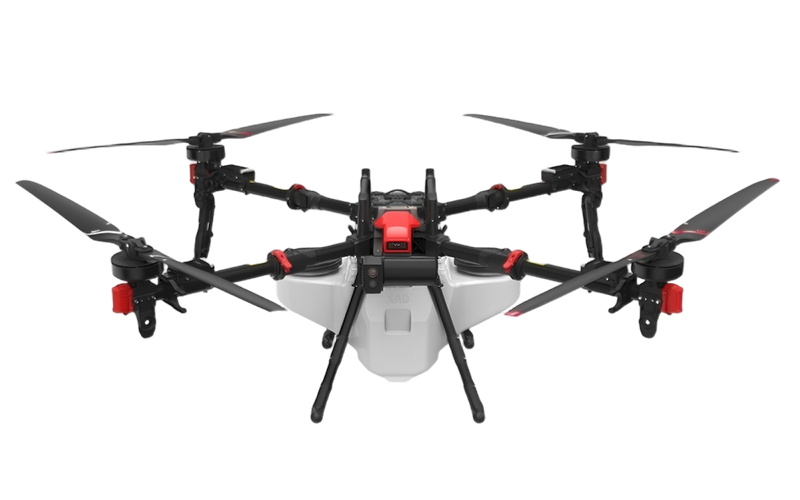 XAG
XAG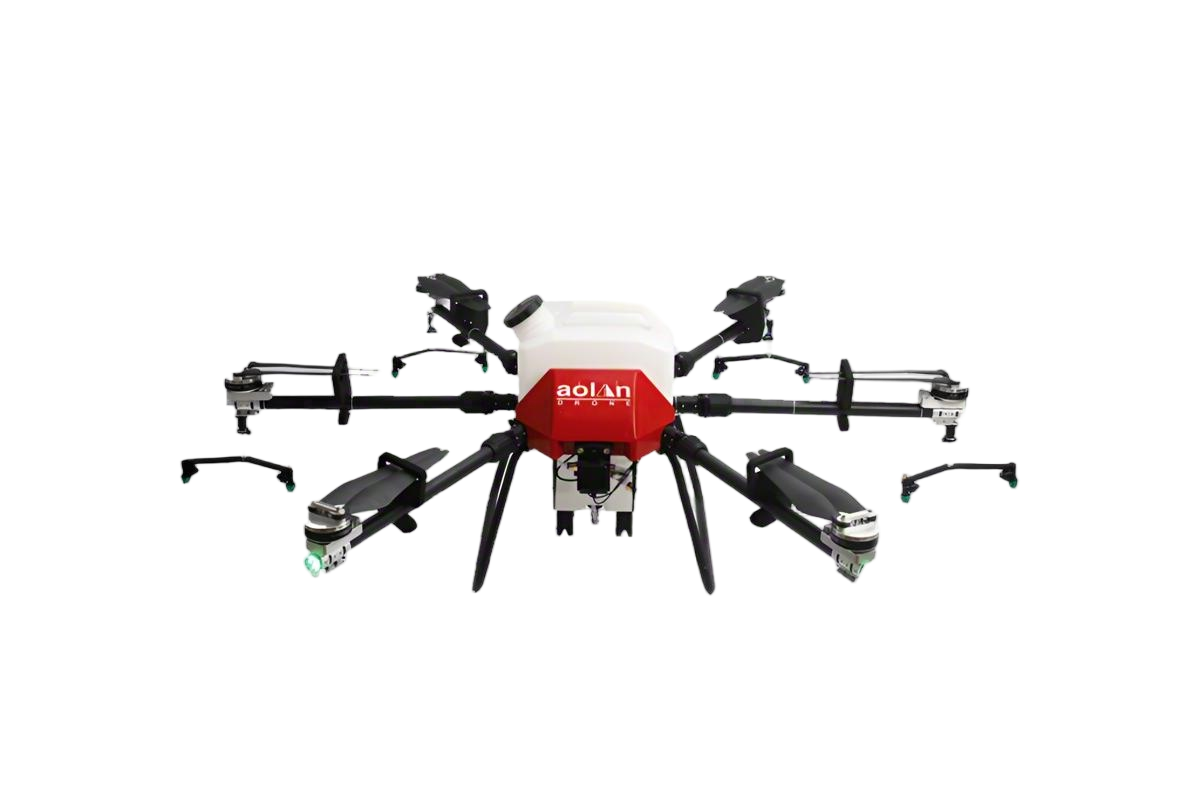 AOLAN
AOLAN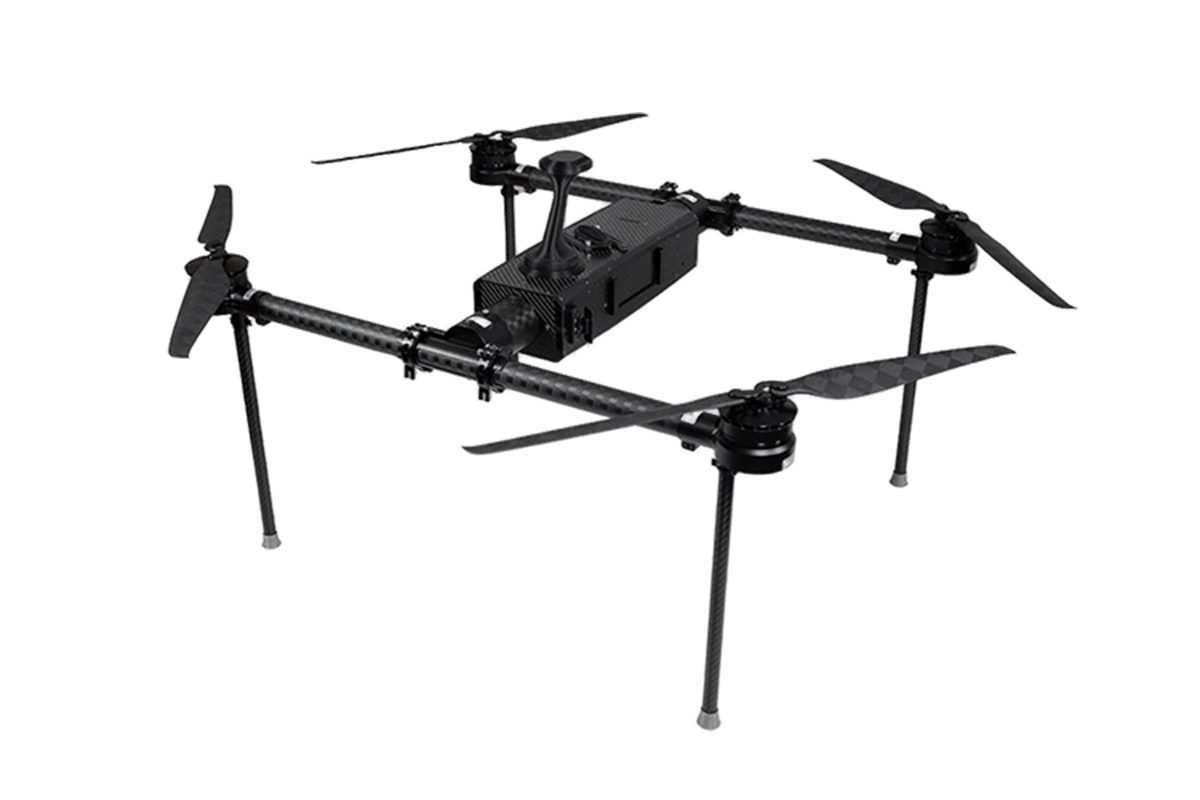 KEEL
KEEL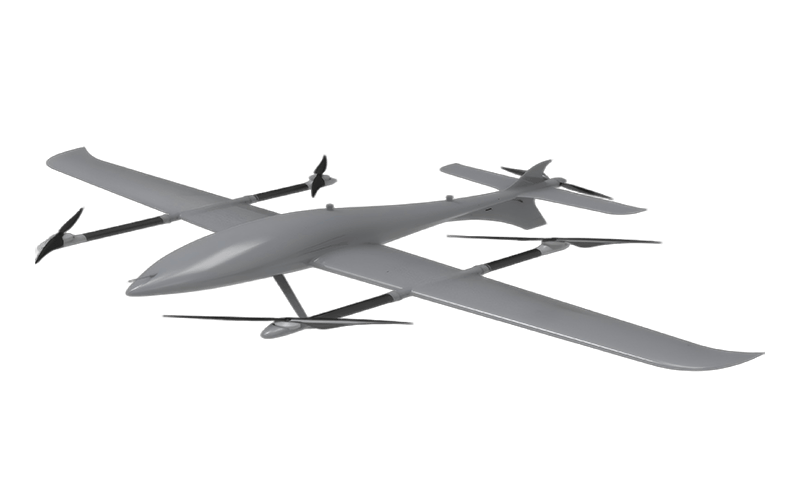 SKY NEXT
- DJI Matrice-4T
- DJI Matrice 4E Drone
- DJI Matrice 4TD
- DJI Matrice 30T
- DJI Mavic 3 Emterprise
- DJI Mavic 3M Multispectral Drone
- DJI RC 2 Plus Industry Plus
- DJI Matrice 4 Series Battery
- DJI Matrice 4D Series Batteries
- TB65 Intelligent Flight Battery
- TB100 Smart Flight Battery
- WB37 Battery
- DJI Accessories

Construction drones are really shaking up the building game. These high-tech tools are making things way more efficient and helping out with project management in ways we couldn’t imagine before. I remember Peter Johnson, a pretty well-known expert in the field, once saying, “Drones are changing the way we look at construction sites,” and honestly, it’s so true. These days, drones are used for everything—from surveying sites to keeping track of progress. They capture stunning aerial images and gather data with such precision. That said, not all companies have jumped on board yet; some still struggle with how to actually integrate this tech. It’s clear, though, that proper training and a bit of planning are key if you wanna get the most out of it. Yeah, the hurdles can feel kinda intimidating, but generally speaking, the benefits are totally worth it. Lots of businesses have already seen lower costs and faster project timelines. But here's the thing — not every project is using drones yet. Sometimes companies just hesitate or simply don’t know much about it. They need to realize that embracing this tech could give them a real competitive edge. Getting on board with drones can seriously streamline your workflow. As the industry keeps evolving, it’s pretty obvious that innovative solutions like this are only going to become more essential.

Types of Construction Drones and Their Applications in Building Projects

Construction drones have transformed the industry. They provide a range of applications that enhance building projects. These devices can capture high-resolution images, conduct site surveys, and even assist in project management. They offer unique advantages that traditional methods often lack.
One common type of construction drone is the surveying drone. It uses GPS technology to create detailed topographical maps. This helps teams visualize the site better. However, inaccuracies can occur. Sometimes, the data may be affected by weather or obstacles. In such cases, it's essential to double-check results manually.
Another valuable type is the inspection drone. These drones allow teams to inspect roofs and bridges without scaffolding. They can quickly identify structural issues. But there are limitations. Not all drones can perform in challenging environments. Weather conditions or battery life can pose risks. Teams should plan routes carefully to maximize efficiency. Each drone type brings its benefits and challenges, making careful selection vital.

Innovative Aerial Light Show Solutions: Exploring the Best MMC L1 Factory and Manufacturer Options
The demand for innovative aerial light shows has surged in recent years, transforming the landscape of entertainment and event experiences. At the forefront of this revolution are intelligent drone swarms, which are reshaping how audiences engage with visual spectacles. According to a recent report by MarketsandMarkets, the global drone surveillance market is expected to grow significantly, indicating a robust interest in drone technology across various sectors, including entertainment.
Intelligent drone swarms offer synchronization and precision that traditional fireworks and light displays cannot achieve. These advanced systems utilize an array of algorithms that allow multiple drones to perform choreographed movements, creating stunning aerial shows that can tell a story or convey a brand message. The technology behind these systems has matured, with advancements in battery life and autonomy significantly enhancing performance. Research from the International Journal of Robotics Research suggests that aerial drone shows can project thousands of images in the sky, leading to a more immersive experience for viewers.
When exploring the best MMC L1 factory and manufacturer options, it is crucial to consider partners who are at the cutting edge of drone technology. The latest innovations focus on producing drones with enhanced safety features, energy efficiency, and customizable programming capabilities. By choosing a manufacturer that prioritizes sustainable practices and cutting-edge design, event planners can elevate their aerial light shows, creating unforgettable experiences that resonate with audiences and leave a lasting impact.

FAQS
: Construction drones enhance building projects by capturing images, conducting surveys, and assisting in project management.
Surveying drones use GPS to create detailed maps. They help teams visualize sites better but can have inaccuracies.
Inspection drones can struggle in challenging environments. Weather conditions and battery life may limit their effectiveness.
Understanding local regulations prevents costly fines. Each region has specific laws governing drone operations.
Operators need thorough training and pre-flight checks. Unexpected weather may complicate operations.
Planning flight routes carefully helps optimize efficiency and mitigate risks during inspections or surveys.
Weather and obstacles can affect data accuracy. Manual verification is often necessary to ensure reliable results.
Regularly checking with local authorities is essential. Rules change frequently, impacting drone usage significantly.
A safety protocol helps prevent accidents. Mistakes can have serious consequences, so vigilance is crucial.
Conclusion
Construction drones have revolutionized the building industry by enhancing efficiency and precision in various applications. These aerial devices can be categorized into several types, each serving specific functions such as site surveying, monitoring progress, and facilitating inspections. When selecting construction drones, key features to consider include battery life, payload capacity, and image quality, which directly impact their effectiveness on job sites.
The article highlights the top 10 construction drones that boost project efficiency by streamlining workflows and providing accurate data collection. A comparative analysis of these drones reveals their strengths and weaknesses, aiding in informed decision-making. Additionally, cost considerations and budget planning are essential for integrating drones into construction projects. As regulations evolve, understanding compliance and safety measures is crucial for the responsible use of construction drones. Looking ahead, future trends indicate further advancements in drone technology, promising to enhance the capabilities and applications of these tools in the construction sector.
Related Posts
-

2026 Best Construction Drones for Professional Use?
-

How to Choose the Best Commercial UAV Solutions for Your Business Needs
-

How to Choose the Best Enterprise UAVs for Your Business Needs
-

Top 5 Enterprise Drones Transforming Business Operations?
-

How to Choose the Right Enterprise UAV for Your Business?
-

How to Use Construction Drones for Efficient Project Management?
