 GDU
GDU
 UUUFLY
 DJI
DJI MMC
MMC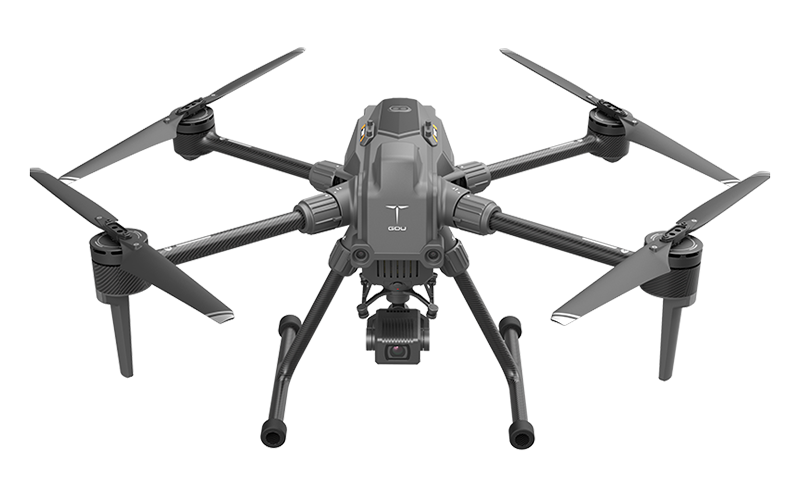 GDU
GDU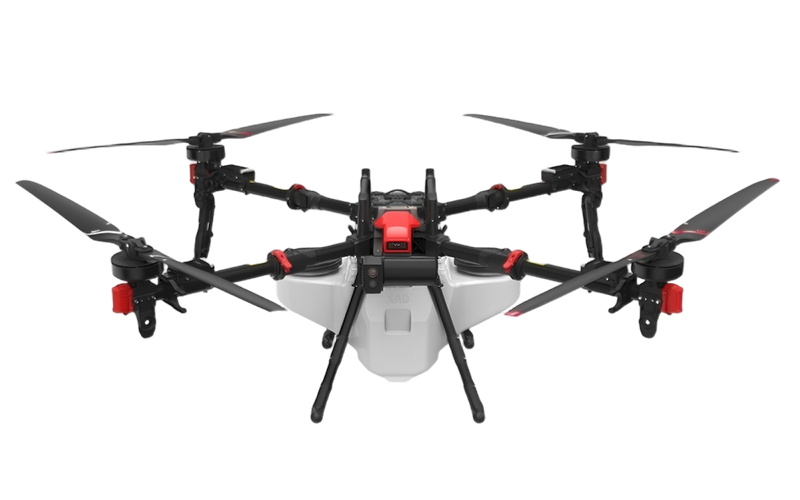 XAG
XAG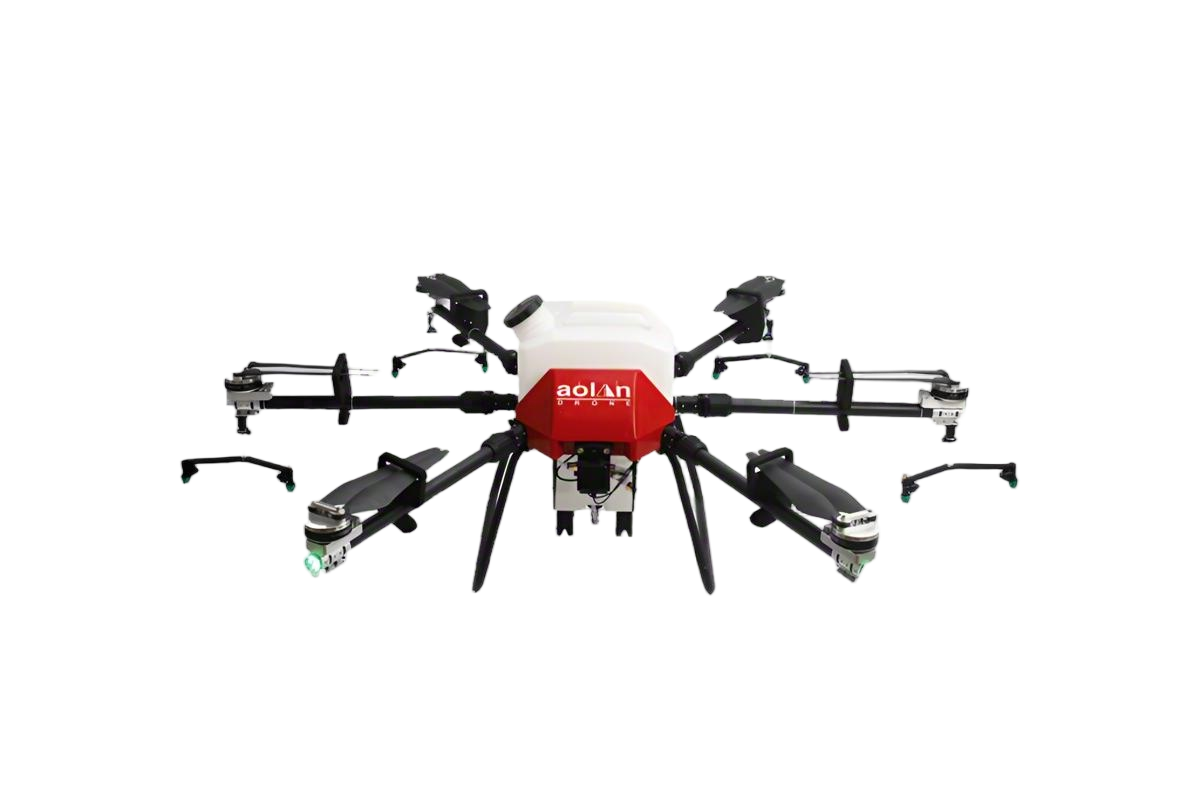 AOLAN
AOLAN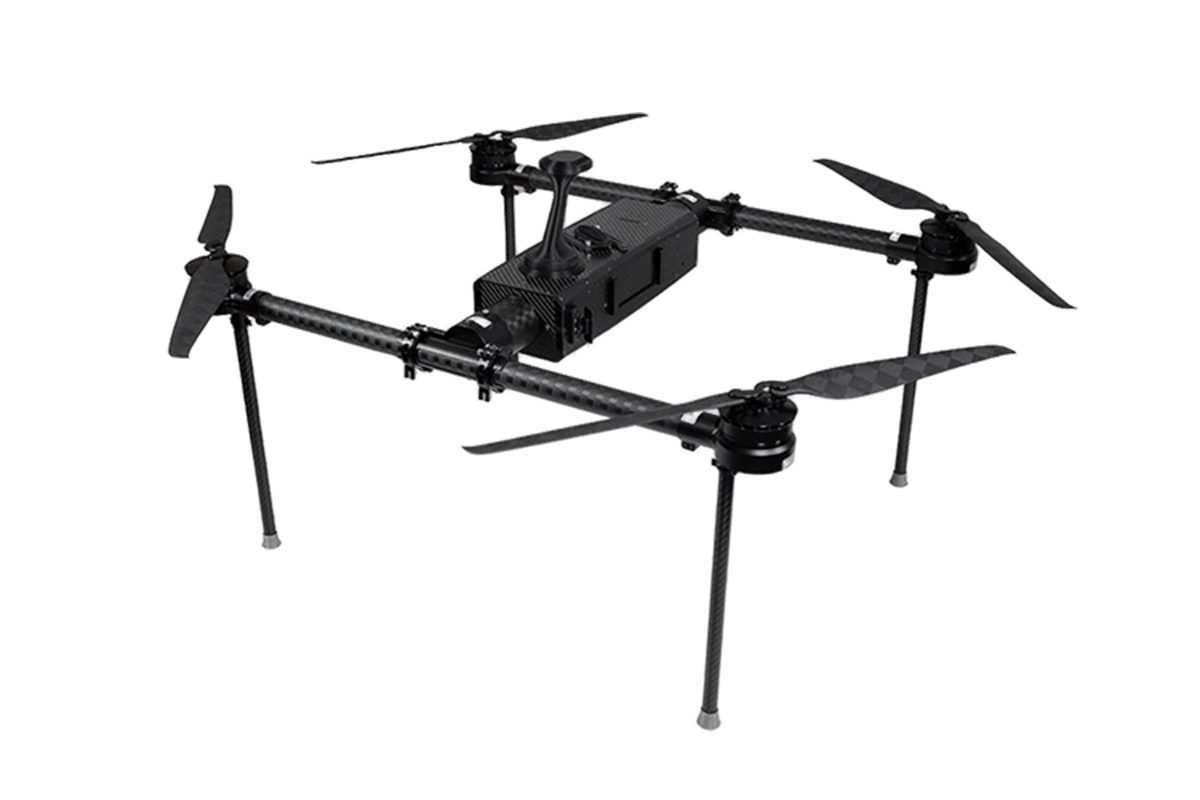 KEEL
KEEL SKY NEXT
- DJI Matrice-4T
- DJI Matrice 4E Drone
- DJI Matrice 4TD
- DJI Matrice 30T
- DJI Mavic 3 Emterprise
- DJI Mavic 3M Multispectral Drone
- DJI RC 2 Plus Industry Plus
- DJI Matrice 4 Series Battery
- DJI Matrice 4D Series Batteries
- TB65 Intelligent Flight Battery
- TB100 Smart Flight Battery
- WB37 Battery
- DJI Accessories

Picking the right fertilizer drone for your farm really matters. When you get the tech right, you can boost your crop yields and save some serious labor costs. Drones have totally changed the game in agriculture, but here's the thing — not all of them are a perfect fit for every farm out there.
So, what should you be thinking about? First off, the size of your farm makes a difference. A tiny garden doesn’t need the same drone as a huge field. And then, there's the payload capacity—that's how much fertilizer the drone can carry. Some models can haul more stuff at once, which can make things a lot more efficient.
Doing a bit of homework before you buy is a good idea. Brands like DJI and senseFly are solid options, but they each come with their own features and quirks. It’s also super helpful to chat with local farmers or agricultural experts—they can tell you what’s actually worked for them in the real world. Even with top-notch gear, you’ll need to stay on top of maintenance, keep software updated, and maybe even learn a bit about piloting. Think about what’s specific to your farm, and take your time making an informed choice.

Understanding Fertilizer Drones: What They Are and How They Work
Fertilizer drones are transforming modern agriculture. These UAVs, or unmanned aerial vehicles, are designed to efficiently distribute fertilizers over vast fields. They utilize advanced technology, including GPS and sensors, to ensure precise application. By flying at low altitudes, they can cover crops thoroughly, minimizing waste and enhancing crop health.
When selecting a fertilizer drone, understanding its operation is crucial. Most drones operate by releasing fertilizer from the onboard tank. This process can be programmed and monitored through a mobile app. Farmers need to consider factors like flight time, payload capacity, and dispersal accuracy. Regular maintenance is essential to ensure that the drone operates effectively. Neglecting this can lead to operational issues and crop damage.
However, using drones can be challenging. Weather conditions can affect flight capabilities, and pilots must learn to navigate these variables. Misjudgment in fertilizer quantity may lead to either over-fertilization or under-fertilization, impacting crop yield. Understanding these aspects can help farmers make informed decisions when integrating drones into their farming practices.

Innovative Aerial Solutions: The Mercury X110 Heavy-Lift Firefighting Drone for Swift Emergency Response
Emerging technologies are transforming the landscape of firefighting, and the development of heavy-lift drones marks a significant advancement in emergency response capabilities. Innovative aerial solutions, such as the Mercury X110, offer a modular design that allows for assembly in just three minutes. This rapid deployment is critical during emergencies when every second counts, enabling first responders to focus on extinguishing fires rather than dealing with equipment setup.
With an impressive payload capacity of 50 kg, drones like the X110 can execute a range of firefighting missions. From precision targeting with water cannons to aerial deployment of fire retardants, these drones are versatile tools in combating wildfires and structural fires alike. According to a report by the National Fire Protection Association, drones can enhance situational awareness and improve response strategies, leading to more efficient resource management during firefighting operations. The exceptional weather resistance of these drones ensures they remain operational in challenging conditions, making them indispensable in extreme weather events where traditional firefighting methods may fail.
The increasing use of drones in firefighting aligns with a broader trend in the industry towards adopting aerial technologies. As highlighted in a recent study by the International Association of Fire Chiefs, the integration of drones into firefighting strategies has the potential to reduce response times by up to 30%. As innovation continues in this field, the future of firefighting will likely hinge on machines that augment human capabilities, providing novel solutions to age-old challenges.

FAQS
: Fertilizer drones are UAVs designed to distribute fertilizers efficiently over large fields.
They use GPS and sensors to ensure precise fertilizer application, flying low to cover crops thoroughly.
Farmers need to consider flight time, payload capacity, and dispersal accuracy when selecting a drone.
Regular maintenance is crucial to prevent operational issues, which can lead to crop damage if neglected.
Weather conditions can affect flight capabilities, requiring pilots to adapt to changing environmental factors.
Misjudging fertilizer quantity can result in over-fertilization or under-fertilization, impacting crop yield negatively.
Analyzing soil health, including pH and nutrient levels, is vital for making informed fertilization decisions.
Different crops need specific nutrients at various growth stages, affecting the timing and type of fertilizer used.
While drones enhance efficiency, human oversight is essential, especially when adjusting for environmental challenges.
Conducting soil tests and reflecting on technology limitations can guide farmers in improving fertilization strategies.
Conclusion
The article "How to Choose the Best Fertilizer Drone for Your Farm?" provides a comprehensive guide for farmers looking to enhance their fertilization processes using technology. It begins with an overview of what fertilizer drones are and how they operate, emphasizing their role in increasing efficiency and accuracy in agricultural practices. Key features such as payload capacity, flight time, and ease of use are essential when selecting the right drone.
Furthermore, the article encourages farmers to assess their specific fertilization needs and compare various types of fertilizer drones available in the market. Evaluating the reputation of manufacturers and customer support is crucial in ensuring long-term satisfaction and assistance. Additionally, it discusses how to calculate the return on investment for adopting fertilizer drones, alongside important maintenance and safety considerations. This thorough approach assists farmers in making informed decisions, ultimately contributing to more productive and sustainable farming practices.
Related Posts
-

Agrispray Drone Best Practices for Effective Crop Spraying?
-

What is an Agriculture Sprayer UAV and How Does it Revolutionize Farming Practices
-

Farming Drones Tips for Boosting Your Crop Yields?
-

Essential Tips for Choosing the Right Spray Drone for Your Needs?
-

Best Agriculture Sprayer UAVs for Efficient Farming Solutions?
-

2026 How to Choose the Best Spray Drone for Your Needs?
