0%

You know, spray drones have really turned things around in agriculture over the past few years. I came across a report from MarketsandMarkets that says the global market for agricultural drones could hit around $6.2 billion by 2026—that’s pretty crazy! It’s mainly because farmers are looking for smarter ways to manage their crops efficiently. These drones actually boost productivity by making sure fertilizers and pesticides are spread out evenly—pretty cool, right?

But, here’s the thing—picking the right spray drone isn’t exactly a walk in the park. You’ve got to think about stuff like how much it can carry, how long it can stay in the air, and whether it’s easy enough to operate. Not all drones are the same, and cheaper options might save you some bucks upfront, but they often aren’t as reliable or durable.

So, before you jump in, take a moment to think about what you really need. What kinds of crops are you working with? Do you want a drone that can do everything automatically, or are you good with manual control? Figuring out these little details will definitely help you make a smarter choice. And, if you go with trusted brands like DJI or Parrot, you’ll probably feel more confident about the technology flying over your fields—that peace of mind is worth something too.

Essential Tips for Choosing the Right Spray Drone for Your Needs?

Understanding Different Types of Spray Drones Available on the Market

When exploring the market for spray drones, understanding the different types available is crucial. There are generally three categories: agricultural drones, industrial drones, and specialized drones. Agricultural drones are designed for farming purposes. They excel in crop spraying and monitoring. Their features include wide spray ranges and GPS navigation for precise applications.

Industrial drones also serve unique functions. They can handle tasks like pest control and weed management. These drones often come with heavy payload capacities, allowing them to carry more liquid. Specialized drones cater to specific industries. For instance, some models are tailored for vineyards or orchards, offering unique spraying techniques suited for varied crops.

Each type presents unique advantages and challenges. Not every drone may meet your needs. Some might lack the necessary payload capacity. Others could be missing essential features like real-time data collection. It is important to reflect on your requirements and potential limitations. This can help in selecting a drone that truly fits your needs. Always consider your operational context before making a decision.

Key Specifications to Consider When Selecting a Spray Drone

When selecting a spray drone, several key specifications must be considered to ensure it meets your operational needs. One fundamental factor is the payload capacity. According to industry research, drones capable of carrying over 10 liters of liquid can efficiently cover larger areas. This is essential for agricultural applications where precision and speed are critical.

Another important specification is the flight time. Drones that can operate for at least 30 minutes enhance productivity significantly. Notably, a recent report indicated that longer flight times can lead to a 25% increase in coverage efficiency. This allows users to complete tasks faster without frequent recharging.

It’s also crucial to evaluate the control range. Drones with extended control range provide greater flexibility in maneuverability. In precision farming, a range of over 2 kilometers is often recommended for effective monitoring and application. Nevertheless, users must also reflect on their local regulations, as these can impact operational capabilities. Balancing specifications with real-world constraints is vital for optimal performance.

Analyzing Payload Capacity and Its Impact on Efficiency

When selecting a spray drone, payload capacity plays a crucial role in determining overall efficiency. A study by the Association for Unmanned Vehicle Systems International (AUVSI) indicates that drones with an optimal payload capacity can enhance operational efficiency by up to 30%. This enhanced capacity allows for the application of larger quantities of fertilizers or pesticides in a single flight, reducing the number of trips needed and saving time.

However, it’s essential to strike a balance between payload capacity and drone maneuverability. A drone overloaded with equipment may suffer from reduced flight time and stability. According to the Drone Commission’s recent report, a drone operating at maximum payload can decrease its flight endurance by 25%. Therefore, understanding specific farming or spraying needs is vital. Evaluating your crop area is an important step. Some crops may require more sparse applications, while others may need heavier treatment.

Keep in mind that payload capacity comes with weight limits. Overshooting these limits can lead to gear malfunction or accidents. Operators should consider these details in their planning to avoid inefficiencies. Regularly reviewing drone capabilities based on changing tasks will help improve overall performance. Balancing load and efficiency is a continuous process demanding constant attention and adaptation.

Payload Capacity Impact on Spray Drone Efficiency

Battery Life and Flight Time: How They Affect Spraying Operations

When choosing a spray drone, battery life and flight time are crucial factors. A drone with a longer battery life can cover larger areas in one flight. Most standard spray drones have flight times ranging from 20 to 40 minutes. However, this may vary based on payload weight and weather conditions. A heavier load can reduce flight time, impacting efficiency.

Consider your specific needs before purchasing. For example, if your fields are expansive, opt for a drone that can fly longer without needing a recharge. Frequent interruptions for battery swaps can waste time during critical spraying operations.

Additionally, think about how often you will need to refill the spray tank. Balancing flight time and spraying capacity is essential.

It’s also important to assess how environmental factors can influence battery performance. Wind and temperature may affect flight duration. Be prepared for variability in performance. Careful planning allows for smoother operations on your next spraying task.

A well-suited drone can enhance productivity, but understanding its limitations is equally vital.

Assessing the Importance of Precision and Coverage Area

When choosing a spray drone, precision and coverage area are key factors. Precision determines how accurately a drone can apply chemicals. A study by the National Agricultural Aviation Association indicates that drones can achieve application accuracy rates of up to 95%. This high level of precision minimizes chemical waste and environmental impact. However, it is essential to understand that even slight miscalculations can lead to over-spraying in some areas, which may result in crop damage or soil toxicity.

Coverage area also plays a critical role in efficiency. Many modern agricultural drones offer a coverage range of 10 to 20 acres per hour. Optimal drone selection requires matching these capabilities with the size of the fields. For larger areas, selecting a drone with greater capacity can save both time and resources. Yet, it’s important to remember that a larger coverage area may sometimes result in less precision. Balancing these two factors is vital to successful spray applications.

A lack of field-specific data can lead to decisions based on generalized information. Each field has unique challenges, including terrain and crop types. Utilizing tools like aerial mapping before drone selection can improve outcomes. Ultimately, assessing precision alongside coverage area can help make informed choices tailored to specific needs. This careful evaluation can lead to better crop yields and sustainability in practices.

Regulatory Compliance: What You Need to Know Before Choosing a Drone

When selecting a spray drone, understanding regulatory compliance is crucial. Different regions have specific rules regarding drone operations. These regulations can govern where and when you can fly, as well as weight restrictions. Ignoring these rules could lead to fines or more severe consequences. Start by researching the local laws that apply to your area.

Also, consider seeking guidance from regulatory bodies. They provide up-to-date information regarding drone standards. Understanding certifications is vital too. Some drones require specific certifications to operate legally. You must carefully assess your intended use for the drone and ensure compliance with safety protocols.

If you're new to this, the maze of regulations can be intimidating. It’s easy to overlook details in permits or flight restrictions. Familiarizing yourself with these stipulations will prepare you for safe operations. Connecting with a local drone community can help guide you. Engage with others who have faced similar challenges. This can help you avoid common pitfalls and improve your experience.

Cost Analysis: Balancing Price, Features, and Long-Term Value

Essential Tips for Choosing the Right Spray Drone for Your Needs?

When selecting a spray drone, cost is a primary consideration. You must balance price with features. Higher-priced models often offer advanced sensors and greater range. However, they may not be necessary for all users. Assess your specific requirements before committing to a purchase.

Long-term value is essential. Cheaper drones might save money initially but could cost more over time. They often lack durability and advanced technology. Investing in a reliable model can lead to savings through efficiency and reduced maintenance. Look for reviews and expert opinions to guide your choice.

Experience matters when choosing a drone. Users often learn that not all features are useful. Some may find themselves overwhelmed by complex functions. Start simple, then upgrade as needed. Reflecting on past purchases can help you make informed decisions in the future. Choose wisely for a balance of cost, features, and performance.

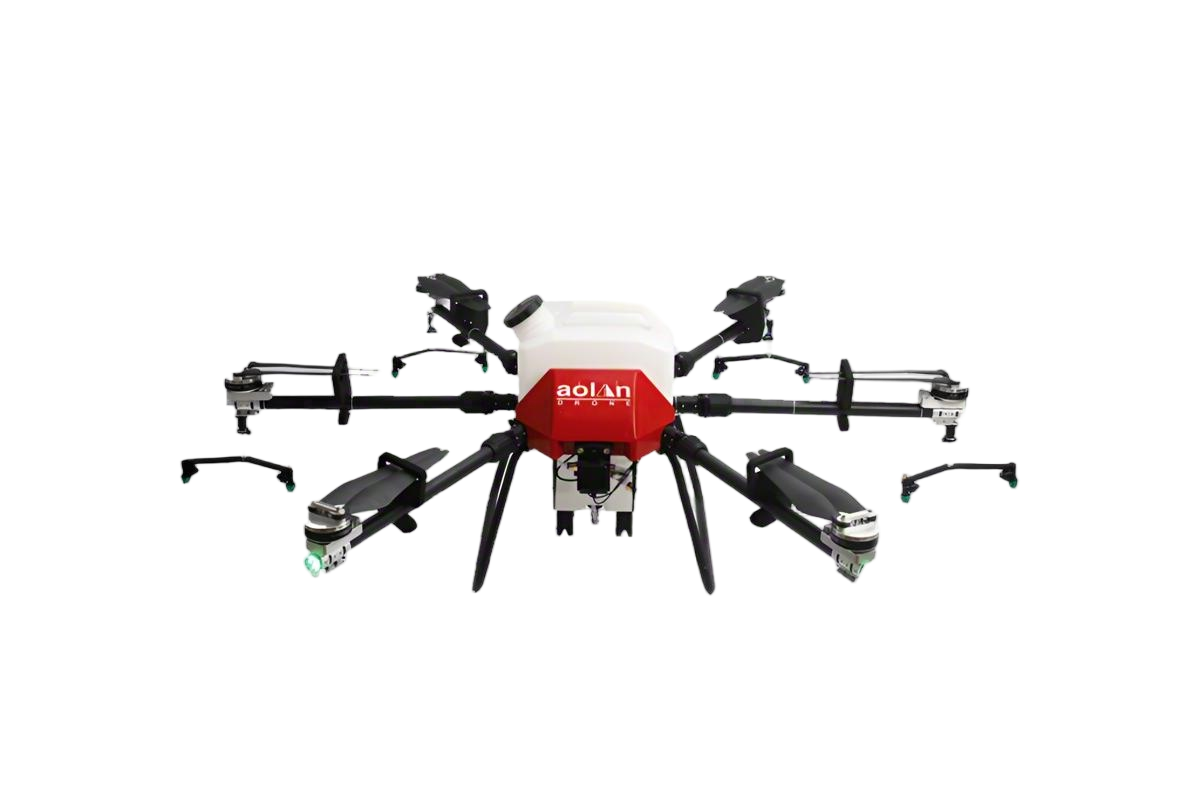
Harnessing Precision Agriculture: An In-Depth Analysis of the AL6-30 6-Rotor Agricultural Spraying Drone Performance and Market Trends

In the realm of modern agriculture, precision technology has become a cornerstone for enhancing productivity and sustainability. The AL6-30 6-Rotor Agricultural Spraying Drone exemplifies this shift, offering exceptional performance capabilities tailored for professional farm use. With its advanced engineering, this drone optimally delivers crop treatments, ensuring efficiency and power are at the forefront of agricultural innovation. The ability to precisely target areas requiring treatment minimizes waste and maximizes yields, which is crucial in today’s competitive farming landscape.

Market trends indicate a growing adoption of drone technology in agriculture, propelled by the increasing need for efficient resource management. Farmers are seeking versatile solutions to combat challenges such as pest control and nutrient distribution. The 6-rotor configuration of this drone enhances maneuverability and stability, enabling it to operate effectively in various farm sizes and types. As agricultural demands evolve, tools like the AL6-30 are at the vanguard of transforming traditional practices, making precision spraying not only attainable but necessary for sustainable farming. Thus, investing in such technology can position farmers to thrive in an ever-changing agricultural marketplace.

FAQS

: What types of spray drones are available?

: There are agricultural, industrial, and specialized drones. Each serves different purposes.

What is the primary function of agricultural drones?

They excel in crop spraying and monitoring, featuring GPS navigation for accuracy.

How important is precision in spray drones?

Precision affects chemical application. High accuracy minimizes waste and environmental impact.

What coverage area do modern agricultural drones typically offer?

Many can cover 10 to 20 acres per hour, depending on the specific model.

Why is matching drone capabilities to field size important?

Larger areas may require drones with greater capacity to save time and resources.

What should I consider when assessing the cost of spray drones?

Balance price with features and consider long-term value over initial savings.

Can cheaper drones lead to higher costs over time?

Yes, cheaper models might lack durability and advanced technology, leading to more expenses later.

How can reflecting on past purchases help?

It allows you to make better choices and avoid repeating mistakes in future purchases.

Why is it essential to have field-specific data?

Each field has unique challenges that can impact the effectiveness of spray applications.

Should I start with simple drone functions?

Yes, starting simple can prevent overwhelm. You can upgrade features later as needed.

Conclusion

When selecting the right spray drone for agricultural or industrial needs, it is crucial to understand the variety of spray drones available and their unique specifications. Key factors include evaluating payload capacity, which directly impacts operational efficiency, and considering battery life and flight time, as these elements significantly influence the effectiveness of spraying tasks.

Additionally, precision and coverage area are vital for ensuring that the spray application is effective and uniform across the designated area. Compliance with regulatory requirements is also an essential aspect to consider before making a purchase. Finally, a thorough cost analysis will help in balancing price against features and ensuring long-term value for the investment in a spray drone, promoting optimal use in various applications.

Sophia

Sophia

Sophia is a dedicated marketing professional with a deep expertise in UAV systems, specializing in the creation of repeatable, traceable, and compliant solutions. With a strong focus on integrated innovation across hardware, algorithms, and data operations, she plays a pivotal role in enhancing the......
Previous How to Choose the Best Commercial UAV Solutions for Your Needs?