Picking the right spray drone can really make a big difference in how you run your farm. Honestly, with so many options out there, it can get pretty overwhelming—like, where do you even start? Each model tends to have its own set of features tailored to different needs. Things like how much it can carry, how long it can stay in the air, and the tech it uses—those all play a role in how smooth your experience will be.
Think about what you actually need your drone to do. Are you working with large fields or just small patches? Different jobs might call for different kinds of drones. Some are super precise, which is great for detailed work, while others might be faster but less exact. Making the right choice really depends on weighing these factors carefully to get the best results.
Also, diving into expert reviews and hearing from other users can give you a lot of helpful info. They often point out stuff to watch out for, along with the perks. Big names like DJI and Parrot are always pushing out new tech, so it’s worth checking out what they’re offering. Honestly, doing your homework on this stuff is key—finding the sweet spot between features, price, and performance can be a game-changer. Take your time, and pick wisely—because the right spray drone can seriously transform your workflow and boost productivity.

Factors to Consider When Selecting a Spray Drone for Agriculture
When selecting a spray drone for agriculture, several factors come into play. The size of your farm impacts the drone's capacity. A larger area typically requires a drone with a bigger tank and longer flight time. Examine the payload capacity closely. Too small a tank means frequent refills, disrupting your workflow.
The type of crops you grow matters as well. Delicate plants might need lighter, more precise applications. Conversely, robust crops may allow for heavier sprays. Consider the drone's spray technology. Some drones use advanced systems for even distribution. This can make a significant difference in crop health.
Tips: Research local regulations before making a purchase. Not all regions allow the same drone usage. Think about maintenance and support options too. Drones require regular upkeep and software updates. Ensure the manufacturer provides reliable resources. Remember, investing in a spray drone is a long-term commitment. Take your time to evaluate all aspects before deciding.
Understanding Different Types of Spray Drones and Their Applications
When selecting a spray drone, understanding the different types and their applications is crucial. Spray drones are classified mainly into two categories: multi-rotor and fixed-wing. Multi-rotor drones are ideal for small to medium-sized farms. They offer precise applications and easy maneuverability. According to industry reports, they excel in targeting specific areas with pesticides, reducing chemical waste by up to 30%.
Fixed-wing drones cover larger areas efficiently. They fly faster and require fewer flights to cover extensive farmland. However, they might not be as precise as their multi-rotor counterparts in confined spaces. Recent studies indicate that fixed-wing spray drones can reduce operational time by nearly 50% in large field applications. Understanding these distinctions helps users align their needs with the right technology.
The applications of spray drones extend beyond conventional farming. They are also used in forestry, pest control, and even industrial applications. For instance, in forestry, drones help in aerial spraying for pest management. Their ability to reach difficult terrains adds to their value. However, one should consider potential limitations, such as battery life and payload capacity. These factors significantly affect operational efficiency and overall performance in real-world conditions.
Evaluating Payload Capacity: What Do You Need for Effective Spraying?
When evaluating payload capacity for spray drones, consider the type of crops you are treating. Different plants require varying amounts of liquid for effective pest control and fertilization. A drone's payload capacity directly impacts its efficiency. If your crops are widely spaced, you may need a drone that can carry larger amounts to minimize refills.
Tips: Assess your average field size and the volume of liquid needed for each spray pass. A drone that can carry more without compromising flight time is often a better choice.
Weight limitations also matter. Excessive load can reduce flight stability and battery life. A carefully loaded drone will perform better in varied weather conditions. It’s essential to balance payload with the drone's operational capability.
Tips: Test drone performance with varying payloads. Make adjustments based on real-world results for optimal efficiency. Avoid underestimating the impact of weight on your chosen drone. This could save money and time over the long haul. Keep in mind that effective spraying means understanding both your drone and your specific agricultural needs.
Battery Life vs. Flight Time: Optimizing Your Drone's Efficiency
When selecting a spray drone, understanding battery life versus flight time is crucial. Battery life defines how long your drone can remain airborne. Meanwhile, flight time indicates how long it can operate effectively with a full charge. These two factors are interdependent and impact your drone's efficiency.
Battery life can be optimized by reducing payload weight. A lighter spray drone consumes less power. It is also essential to consider weather conditions. Windy or rainy days can increase energy consumption and reduce flight time. Keeping your drone in peak condition helps maintain its battery efficiency. Regularly check the propellers and ensure they are clean and undamaged.
Tips: Always plan your spray routes ahead of time. This helps minimize wasted flight time. Consider charging your batteries fully before use for optimal performance. Additionally, keep a journal of your drone's performance. Documenting any irregularities helps identify patterns or issues over time.
2026 How to Choose the Best Spray Drone for Your Needs? - Battery Life vs. Flight Time: Optimizing Your Drone's Efficiency
| Drone Model |
Battery Life (minutes) |
Flight Time (minutes) |
Payload Capacity (kg) |
Range (km) |
Price ($) |
| Model A |
40 |
30 |
5 |
10 |
1200 |
| Model B |
50 |
35 |
6 |
12 |
1500 |
| Model C |
30 |
25 |
4 |
8 |
800 |
| Model D |
60 |
40 |
7 |
15 |
1800 |
| Model E |
45 |
30 |
5.5 |
11 |
1350 |
Analyzing the Importance of Spraying Precision and Technology in Drones
When selecting a spray drone, precision and technology are crucial. These elements directly affect the efficiency of applications in agriculture, pest control, and other fields.
Drones equipped with advanced sensors facilitate precise targeting. This minimizes waste and ensures that every drop counts.
Spraying technology has evolved significantly. Modern drones can map fields in detail, enabling tailored applications. Higher accuracy means improved yields and reduced impact on the environment. However, not all models deliver the same level of precision.
Users often face challenges in calibrating equipment correctly to avoid overlap or gaps in coverage.
It’s important to reflect on your specific needs. Some users might prioritize range over precision, while others focus on cost.
Determining the right balance is essential. There might be a learning curve associated with new technology, but the potential benefits are substantial. Choosing the right drone is not just about the technology; it’s about aligning it with your unique needs and expectations.
Cost Analysis: Finding a Balance Between Budget and Performance
When selecting a spray drone, budget plays a crucial role. The cost of the drone should ideally reflect its capabilities. However, it’s essential to consider what features are necessary for your specific tasks. A low-cost option may save money upfront. Yet, if it lacks essential features, it could lead to higher costs in the long run. Research various models and their prices to find a balance that works for you.
Performance must align with your budget constraints. Investing in a more advanced drone could translate to better efficiency. For example, a drone with longer battery life can cover larger areas faster. This could potentially reduce labor costs. However, ensure that the increased performance justifies the higher price tag. If your needs are basic, an affordable model may suffice. It's beneficial to weigh the costs against actual usage to avoid overspending.
Reflecting on your needs is vital in this decision-making process. Take time to assess your typical workloads. Consider how often you’ll use the drone. Will it be for large-scale agricultural spraying or small-scale garden applications? Understanding your requirements can prevent purchasing an overly complex model that sits unused. By being mindful of these factors, you can achieve a balance that meets both your budgeting needs and performance expectations.
Cost Analysis of Spray Drones: Budget vs. Performance
Regulatory Compliance: Understanding Drone Usage Laws for Agriculture
Understanding drone usage laws is crucial for farmers considering spray drones. Compliance with regulations ensures both safety and efficiency in agricultural practices. Each country has specific rules governing drone operation, which may include altitude limits, no-fly zones, and pilot certifications. Farmers should familiarize themselves with these laws before purchasing drones.
Tips: Always check local regulations. Regulations can change frequently, so stay informed. Contact local aviation authorities for updates.
One key aspect is obtaining proper licenses. Some regions require drone operators to be certified. This certification often involves training on safe flying and operational limitations. Without these credentials, farmers risk potential penalties and damage to their crops.
Tips: Join local farmer associations. These groups often provide resources and updates on compliance. Networking with fellow farmers can also offer valuable insights.
In some instances, farmers may feel overwhelmed by compliance issues. It's easy to overlook the importance of these regulations when focusing on productivity. However, investing time in understanding the legal landscape is essential for long-term success in using spray drones.
FAQS
: Precision ensures efficient applications in agriculture and pest control, minimizing waste.
They use advanced sensors to facilitate detailed mapping of fields for tailored applications.
Higher accuracy leads to improved yields and less environmental impact, benefiting both farmers and ecosystems.
Users may struggle with equipment calibration, risking overlap or gaps in spraying coverage.
Farmers need to familiarize themselves with local drone usage laws to ensure compliance and safety.
Regularly check local regulations and contact aviation authorities for the latest information.
Yes, some regions require operators to be certified, which involves training on safe flying practices.
Associations provide resources, updates on compliance, and networking opportunities with other farmers.
Focusing on productivity can lead to overlooking important regulations, which is risky for crop health.
It helps in finding the right balance between range, precision, and cost when selecting a spray drone.
Conclusion
When selecting the best spray drone for agricultural needs, several critical factors come into play. First, it's essential to understand the various types of spray drones available and their specific applications in farming. Evaluating payload capacity is vital to ensure effective spraying operations, as it determines how much liquid can be carried. Battery life and flight time are also crucial considerations; optimizing these will enhance overall efficiency during agricultural tasks.
Furthermore, precision and advanced spraying technology are key to achieving accurate coverage while minimizing waste. Conducting a thorough cost analysis helps farmers strike a balance between budget constraints and the performance offered by different spray drones. Lastly, staying informed about regulatory compliance ensures that drone usage adheres to local laws, paving the way for smooth operation in the agricultural sector. By considering these aspects, farmers can make informed decisions when investing in a spray drone.
 GDU
GDU
 UUUFLY
 DJI
DJI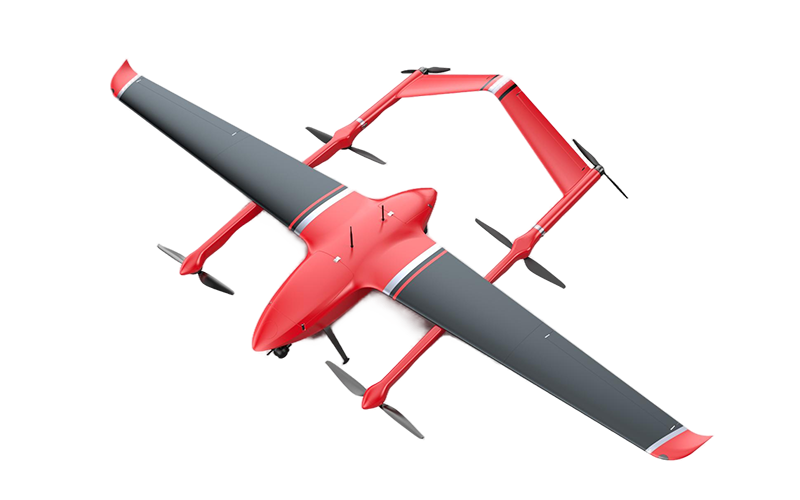 MMC
MMC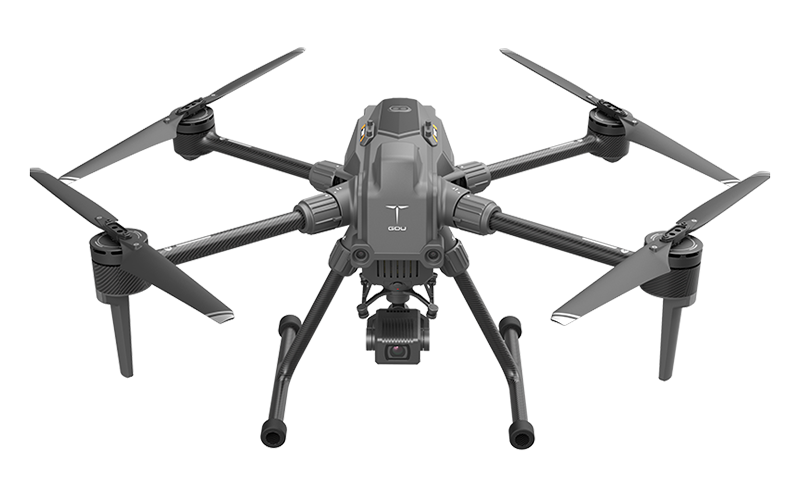 GDU
GDU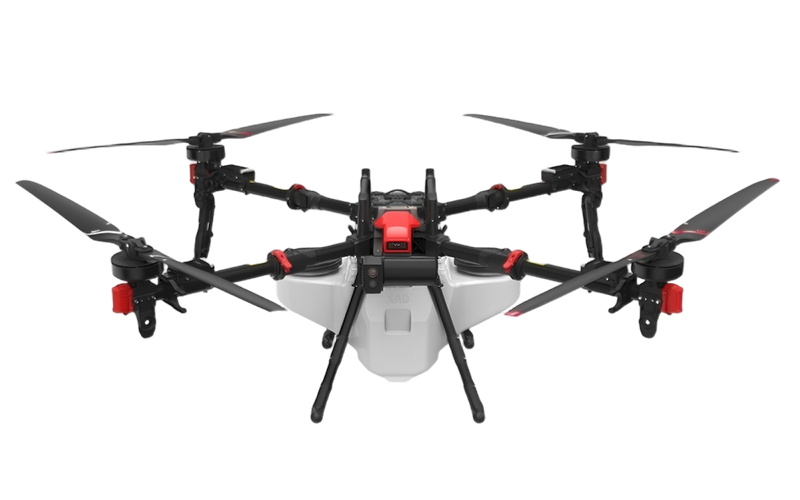 XAG
XAG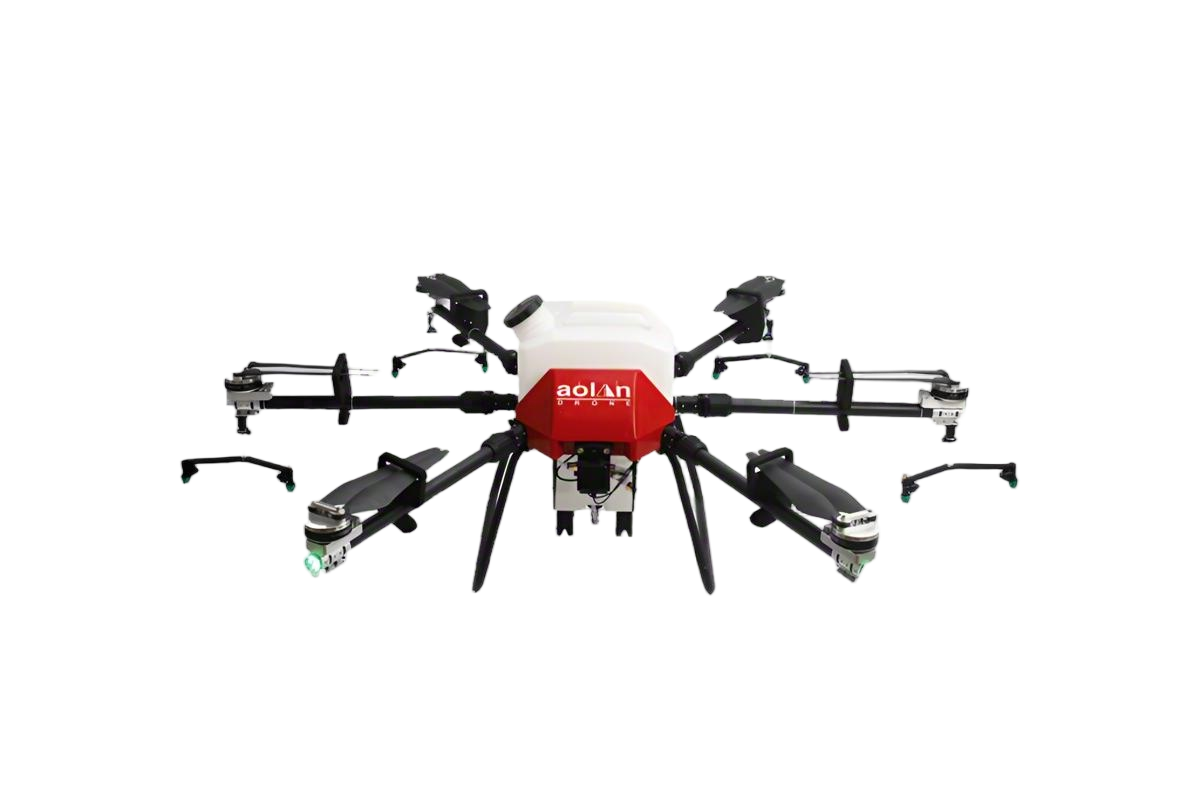 AOLAN
AOLAN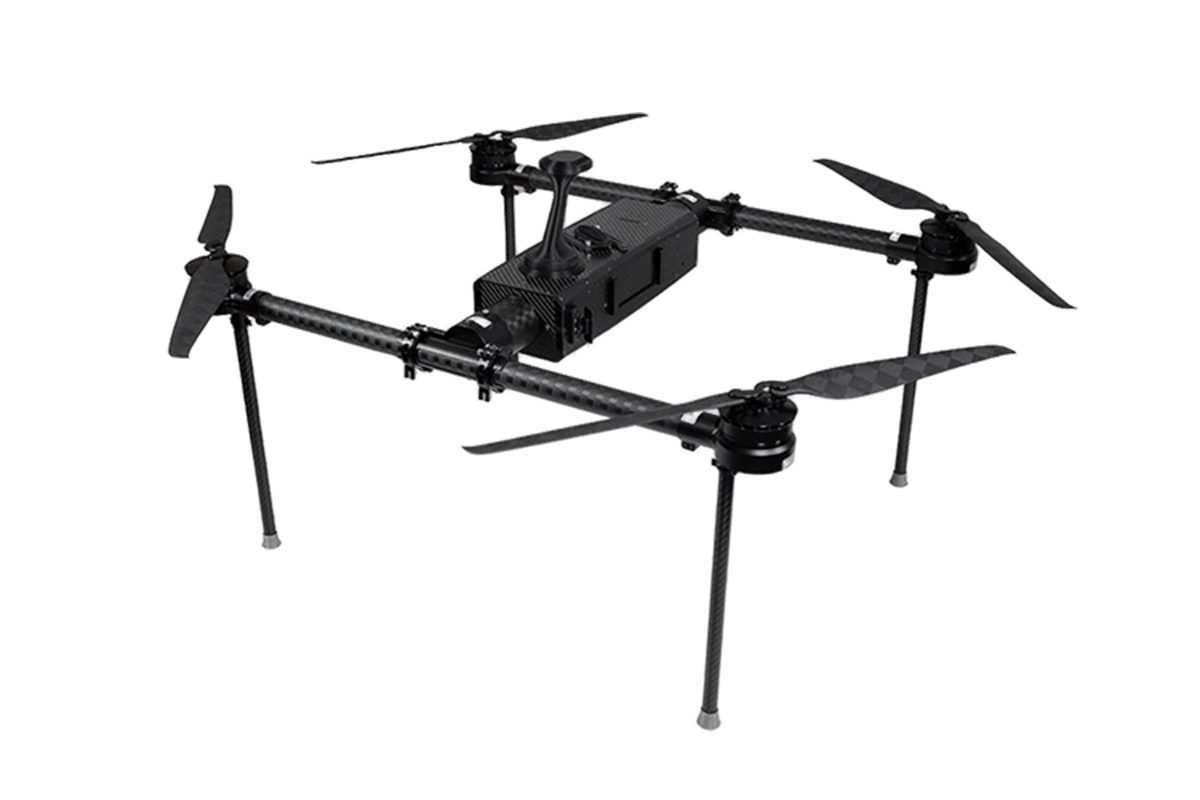 KEEL
KEEL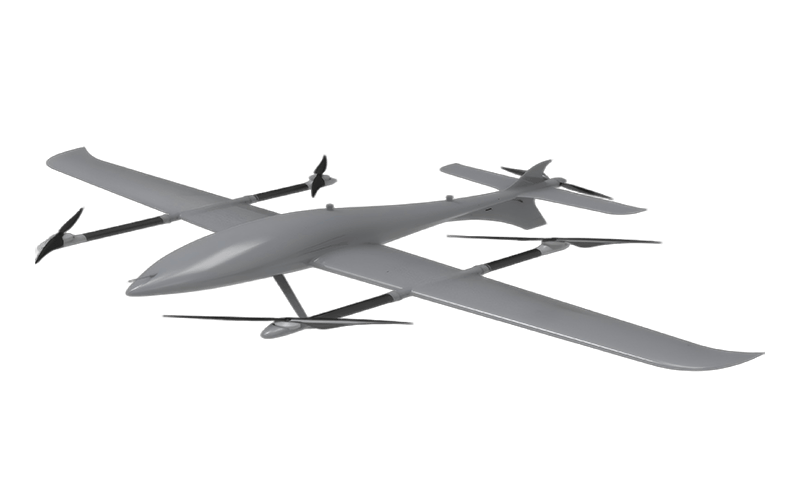 SKY NEXT


