 GDU

 UUUFLY
 DJI
 MMC
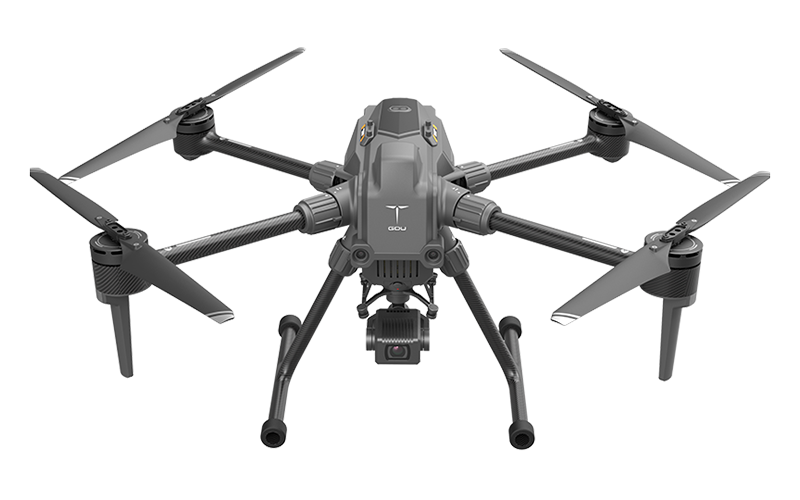 GDU
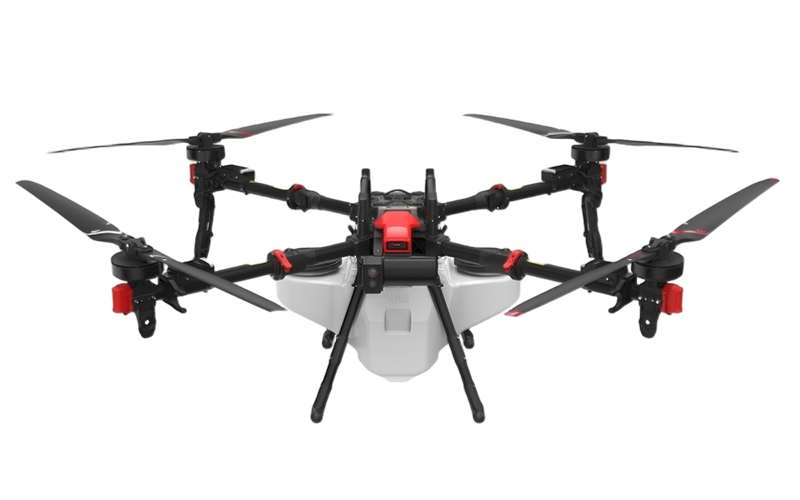 XAG
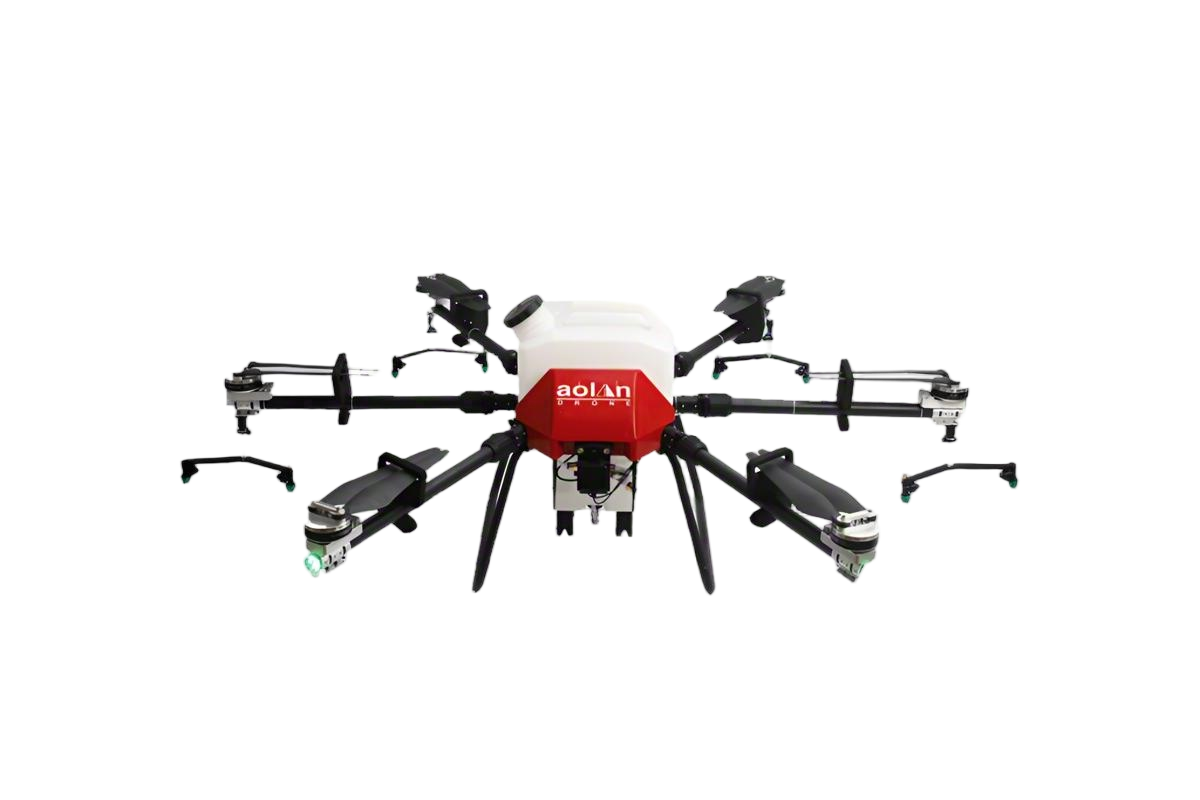 AOLAN
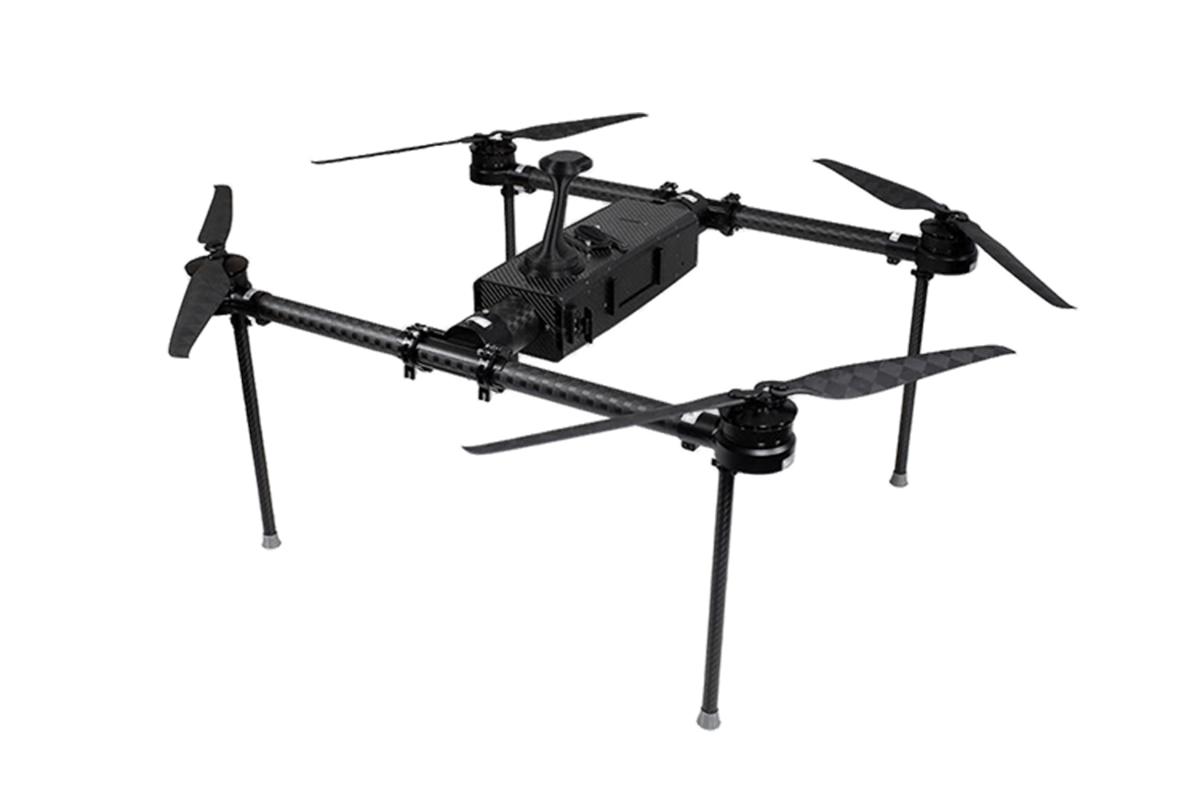 KEEL
 SKY NEXT
- DJI Matrice-4T
- DJI Matrice 4E Drone
- DJI Matrice 4TD
- DJI Matrice 30T
- DJI Mavic 3 Emterprise
- DJI Mavic 3M Multispectral Drone
- DJI RC 2 Plus Industry Plus
- DJI Matrice 4 Series Battery
- DJI Matrice 4D Series Batteries
- TB65 Intelligent Flight Battery
- TB100 Smart Flight Battery
- WB37 Battery
- DJI Accessories

Featured Fire & Emergency Drone Products
Top-selected UAV solutions trusted by fire brigades, industrial safety teams, and civil protection agencies across Paris and France.
Fire Extinguishing Drones in Paris: A New Era of Urban Safety
Paris and the greater Île-de-France region are home to some of Europe's most complex fire risk environments — from historic Haussmann-era buildings and underground metro networks to sprawling industrial zones in Seine-Saint-Denis and chemical facilities along the Seine. Traditional firefighting methods face critical limitations in high-rise access, toxic smoke exposure, and rapid wildfire spread in peri-urban forests such as the Forêt de Fontainebleau. Fire extinguishing drones are rapidly emerging as the essential solution — enabling first responders to deploy faster, assess scenes more accurately, and suppress fires in areas previously unreachable by human crews.
Paris Fire Brigade (BSPP) & Drone Integration
The Brigade de Sapeurs-Pompiers de Paris (BSPP), one of the world's largest urban fire brigades, has increasingly integrated UAV technology into emergency response protocols since 2019. Fire extinguishing drones now serve as frontline reconnaissance and suppression tools across Paris's 20 arrondissements and beyond.
Local Application Scenarios in Paris & Île-de-France
Fire extinguishing drones are deployed across a wide range of real-world environments unique to the Paris metropolitan area.
Historic Building Fires
Notre-Dame de Paris demonstrated the catastrophic risk to heritage structures. Drones equipped with thermal imaging and water/retardant delivery systems can reach roof structures and inaccessible facades that ladder trucks cannot.
Industrial Zone Suppression
Zones industrielles in Gennevilliers, Vitry-sur-Seine, and Rungis feature chemical plants, logistics warehouses, and fuel depots. Drones equipped with HAZMAT sensors allow safe assessment and targeted suppression before human entry.
Peri-Urban Wildfire Control
Forests surrounding Paris — including Forêt de Rambouillet and Forêt de Sénart — face increasing wildfire risk due to climate change. Autonomous drone fleets can patrol vast areas and deploy retardants within minutes of ignition detection.
Underground & Metro Fires
The Paris Métro's 300+ stations and RER tunnels present life-threatening smoke environments. Compact firefighting drones with gas detection payloads and remote-controlled navigation can operate in GPS-denied tunnels.
High-Rise & Construction Sites
The Grand Paris Express project has created hundreds of active construction zones. Drone-mounted thermal cameras provide real-time structural fire monitoring, while suppression payloads target hotspots on upper floors.
Industry Development Trends: Fire Extinguishing Drones
The global firefighting drone market is projected to grow at over 18% CAGR through 2030, driven by increasing climate-related disasters, urban density, and AI breakthroughs.
🤖 AI-Driven Autonomous Suppression
Next-generation fire drones use onboard AI to autonomously identify fire sources via thermal imaging, calculate optimal approach vectors, and deploy suppression agents without human intervention — reducing response latency by over 60%.
🔋 Hydrogen & Hybrid Power
EU Green Deal mandates are accelerating the adoption of hydrogen fuel cell drones for firefighting. Hydrogen-powered UAVs offer 3–5× longer flight endurance than lithium batteries, critical for large-scale wildfire operations.
📡 5G-Enabled Fleet Coordination
Paris's expanding 5G network (Bouygues Telecom, Orange, SFR) enables real-time coordination of multi-drone firefighting fleets. Edge computing nodes process thermal data in under 50ms, enabling swarm-based fire containment strategies.
🌐 GDPR-Compliant Data Sovereignty
As drones capture sensitive urban imagery, French CNIL regulations and EU GDPR require encrypted data pipelines and on-premise storage options. UUUFLY's AES-256 encrypted systems are purpose-built for European compliance requirements.
Paris Commercial & Industrial Fire Risk Landscape
Understanding Paris's unique industrial profile is essential for deploying effective drone-based fire suppression strategies.
La Défense Business District
Europe's largest purpose-built business district houses 72 glass tower buildings. Facade fires and server room incidents require precision drone deployment with minimal collateral risk to neighboring structures.
CDG & Orly Airports
Charles de Gaulle and Orly airports mandate the highest fire safety standards. Drone systems integrated into airport emergency response frameworks provide rapid tarmac and cargo warehouse fire suppression with zero runway interference protocols.
Saclay Science & Tech Hub
The Paris-Saclay cluster hosts pharmaceutical labs, nuclear research (CEA), and electronics manufacturers. Fire drones equipped with chemical suppression payloads and radiation-shielded sensors are increasingly specified in facility safety plans.
Seine River Port Operations
Port de Gennevilliers — France's leading inland port — handles fuel, chemicals, and containers. Amphibious fire drones capable of operating over water surfaces are deployed for vessel fire emergencies and quayside suppression.
Industries We Serve
Our core business covers power/industrial inspection, precision agriculture, smart city mapping, and platform operations, using advanced tech to boost efficiency, cut costs, and ensure reliability.


About UUUFLY
We turn drones from tools into infrastructure, enabling the global low‑altitude economy with engineering rigor and compliance.
UUUFLY builds repeatable, traceable and compliant UAV systems through integrated innovation across hardware, algorithms and data operations. We close the loop of Discover → Decide → Execute → Trace for power, agriculture and smart‑city customers, delivering measurable aerial productivity at scale.
Core capabilities: dual‑spectrum defect detection (power inspection), multispectral sensing & variable spraying (precision agriculture), 0.05‑m 3D mapping (smart city), autonomous routes & fleet scheduling (scaled operations), and an end‑to‑end edge‑to‑cloud data pipeline (governance & compliance).

Core Business
Power & Industrial Inspection
With millimeter‑level positioning and encrypted video links, combined with dual‑spectrum defect detection and AI target recognition, defect discovery efficiency improves by about 40%. In multiple grid pilots, defect detection reached 99.7%. Fast‑charge: 80% in 30 minutes.
Precision Agriculture
Multispectral payloads and AI analytics enable early diagnosis of pests and diseases (about 98% accuracy). Variable spraying reduces pesticide use by roughly 30%. Single flight covers 200+ mu (≈16 acres). Farms see 20–30% lower operating costs.
Smart City & Mapping
LiDAR with oblique photogrammetry delivers 0.05‑m 3D mapping, 5× faster modeling, 60% cost reduction. GDPR‑compliant encrypted transmission with 5G real-time cloud analytics boosts planning efficiency by 300%.
Platform Operations
The platform provides autonomous routes, fleet scheduling, mission orchestration and an edge‑to‑cloud pipeline. Open APIs and message buses integrate seamlessly with enterprise systems to build a secure, observable low‑altitude network.

Why Choose UUUFLY for Paris
- Evidence‑based: 500k+ core components shipped, 300+ enterprise customers, deployments in 30+ cities with strong repurchase rates.
- Engineering reliability: structure, EMC/EMI, link and data governance designed to industrial standards and stress‑tested in the field.
- Global support: 24/7 multilingual customer success (CN/EN/JP/RU/FR/ES/AR) across energy, agriculture, public safety and urban programs.
- Compliance‑first: hardware certified (CE/FCC/RoHS); links secured with AES‑256; data sovereignty options for on‑prem deployment.
- Open & integrable: standardized payload interfaces and cloud APIs plug into existing dispatching and business systems to deliver capacity fast.
Our Team
We combine aerospace engineering, embedded systems, computer vision and large‑scale operations. We understand vehicles and payloads, and the safety standards that keep missions trustworthy.
Grodon Guan
Former industrial UAV product lead; drives product architecture, standardization and ecosystem partnerships.
Dr. Sara Li
Computer vision & autonomy specialist focusing on sensor fusion, target detection and mission decision systems.
Ken Zhu
Drives localization and partner-led delivery across the Middle East, Pakistan, and Russia.
Alex
Aerospace & electrical engineer focusing on payload integration, EMC/EMI and reliability design.
Dr. Lin Zhao
Leads model training and mission orchestration to optimize detection accuracy and decision strategies.
Ivy Chen
Drives localization and partner‑led delivery across LATAM & MENA.
Proven Value & Compliance
Field results: 500k+ components, 300+ customers, 30+ cities.
Hardware: CE / FCC / RoHS certified — fully compliant for EU/French market deployment.
Link security: AES‑256 encryption and enhanced anti‑interference for BSPP-grade reliability.
Data sovereignty: on‑prem + cloud options for GDPR-regulated French public sector customers.
Our Vision
To become the core infrastructure provider for the global low‑altitude economy. We will keep integrating 5G, AI and hydrogen energy to drive standardized, intelligent and green aerial operations — from Paris to every major city worldwide.

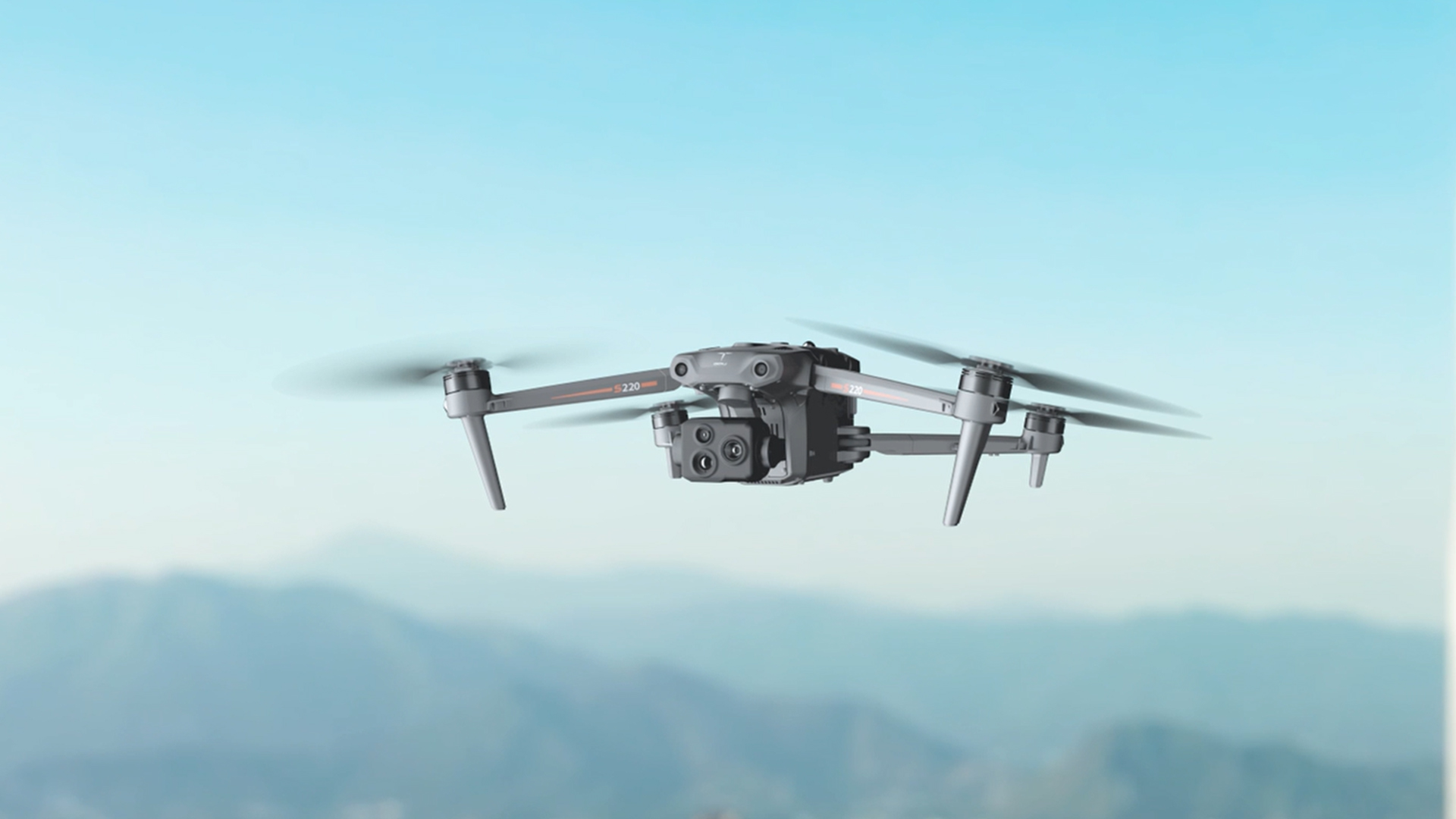
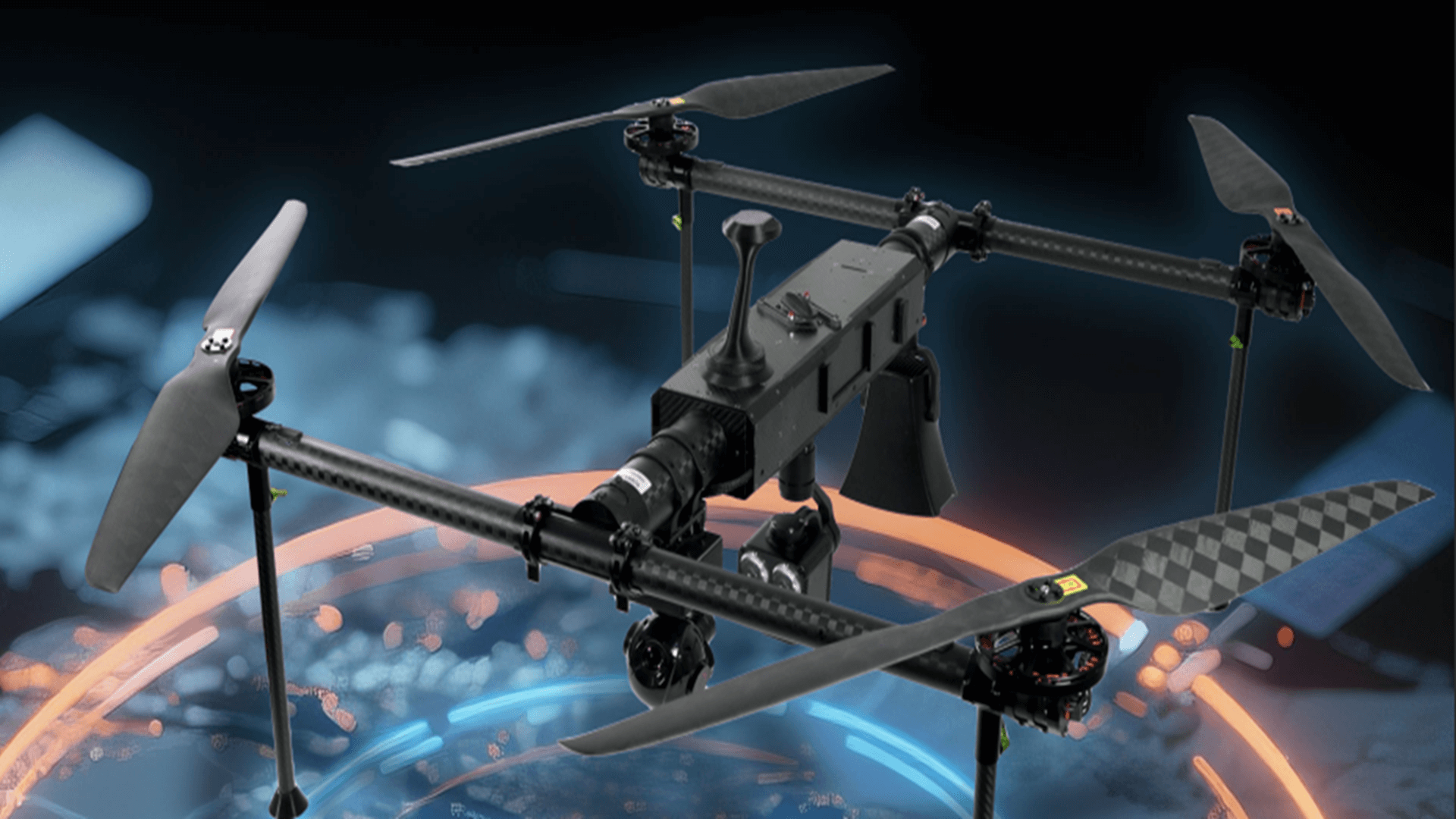
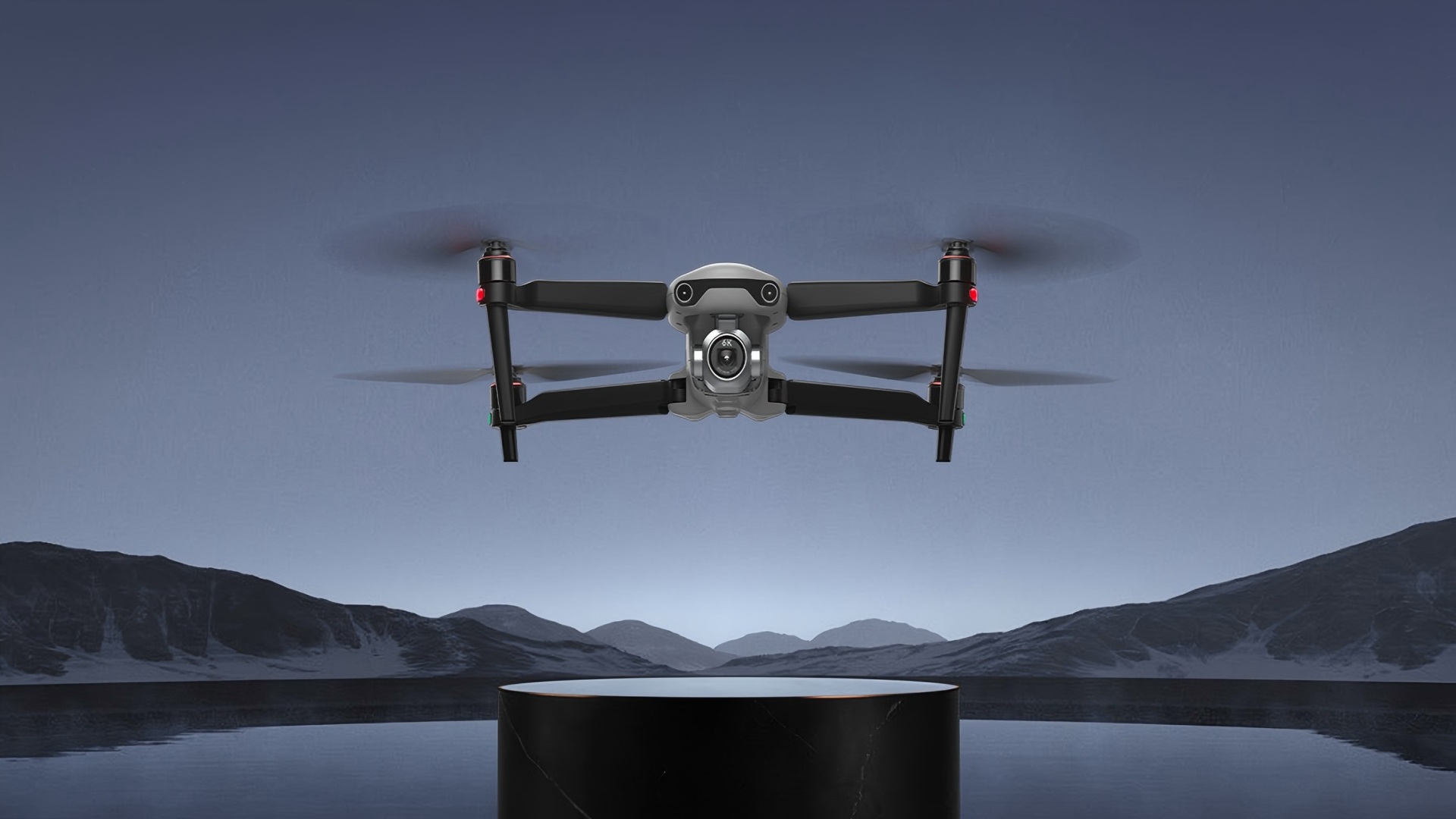
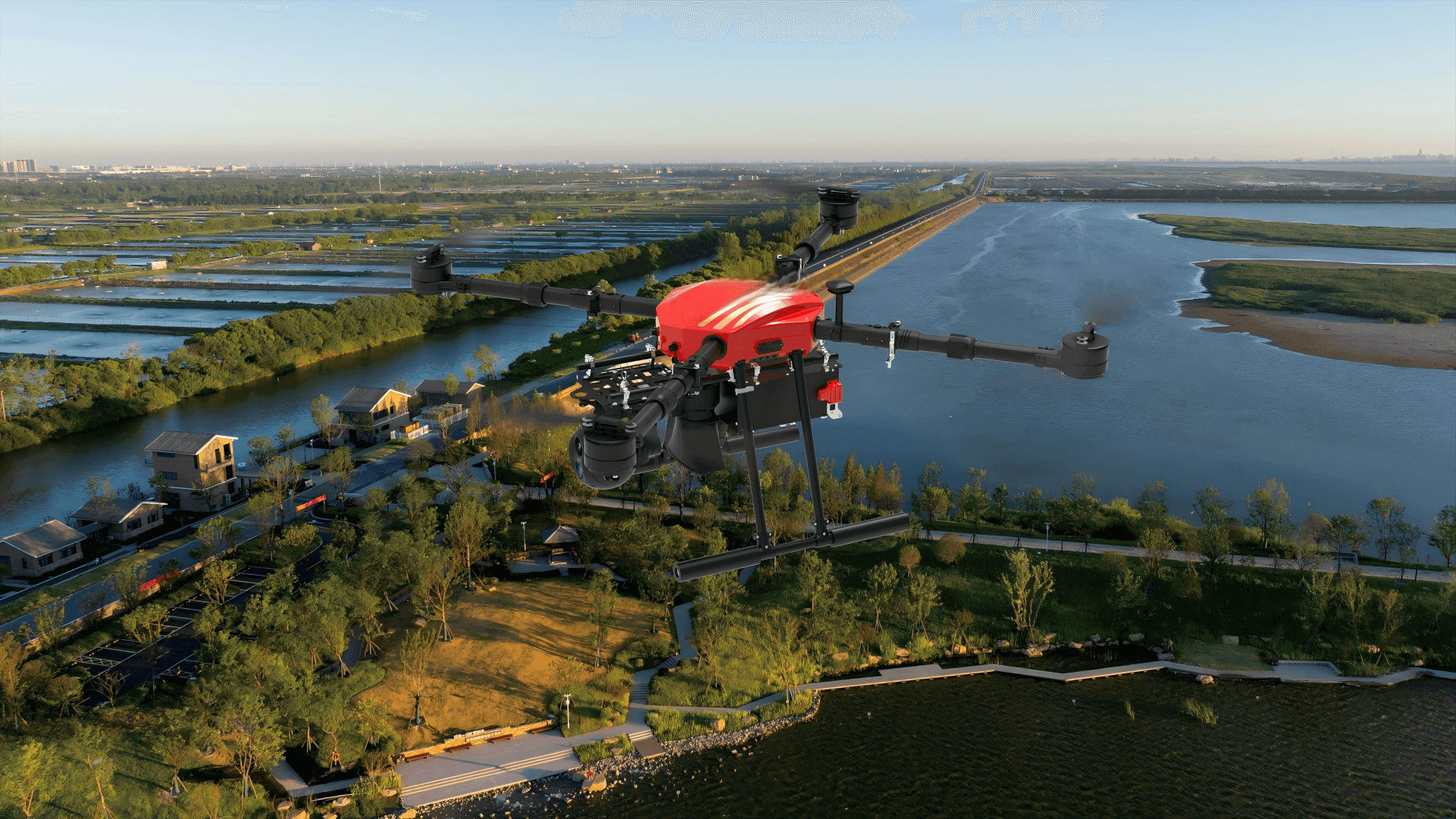
Complete Fire & Industrial Drone Product Range
Explore our full lineup of enterprise UAV solutions designed for firefighting, inspection, mapping, and emergency response in Paris and globally.
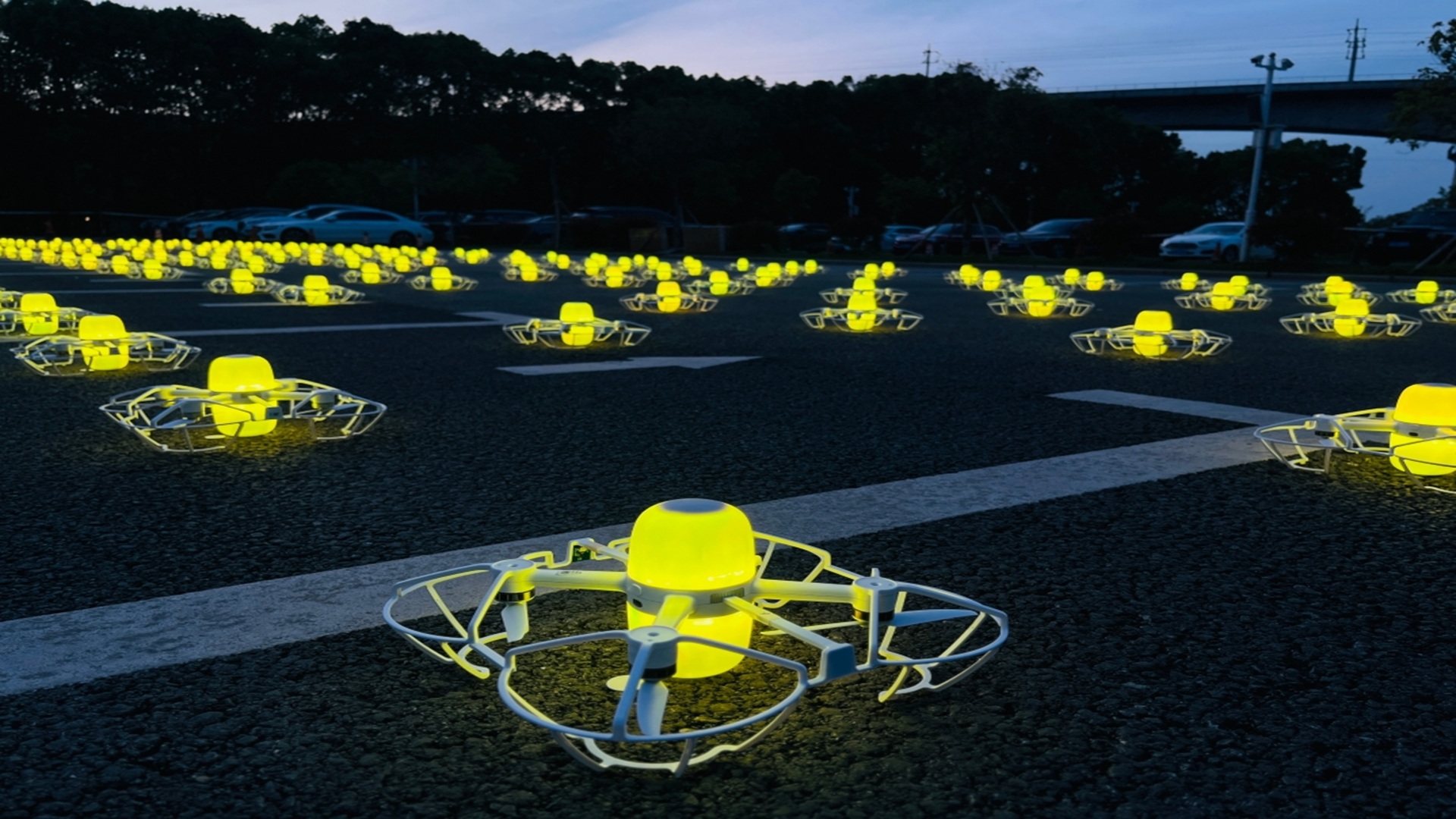
Partner with Paris's Leading Fire Extinguishing Drone Supplier
Contact UUUFLY today to discuss your specific fire suppression, industrial safety, or emergency response UAV requirements across Paris and Île-de-France.
Request a Consultation