 GDU

 UUUFLY
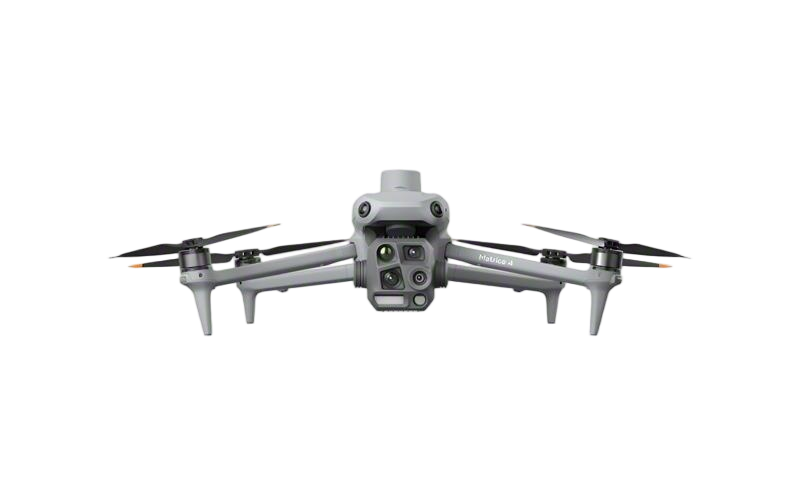 DJI
 MMC
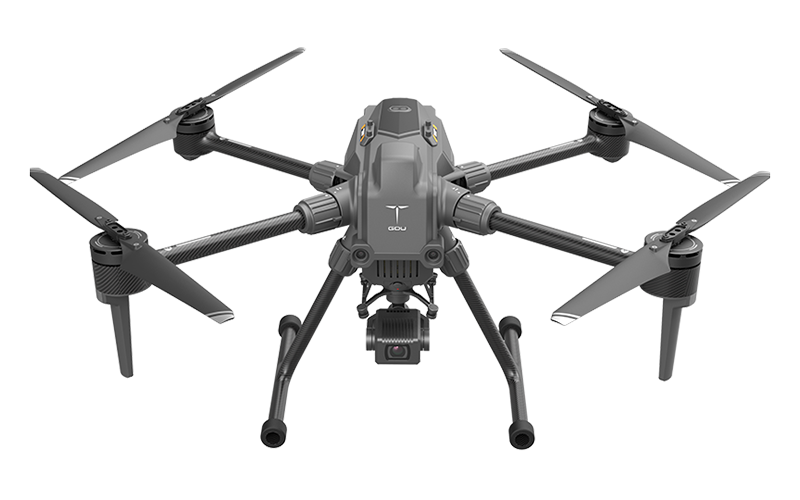 GDU
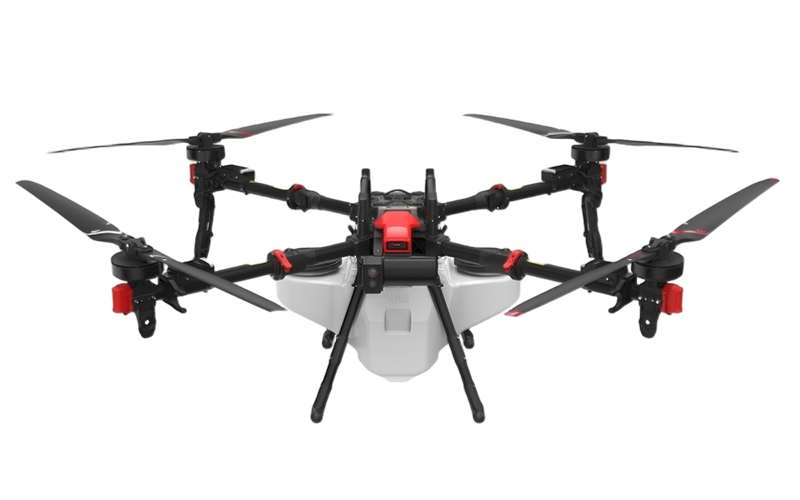 XAG
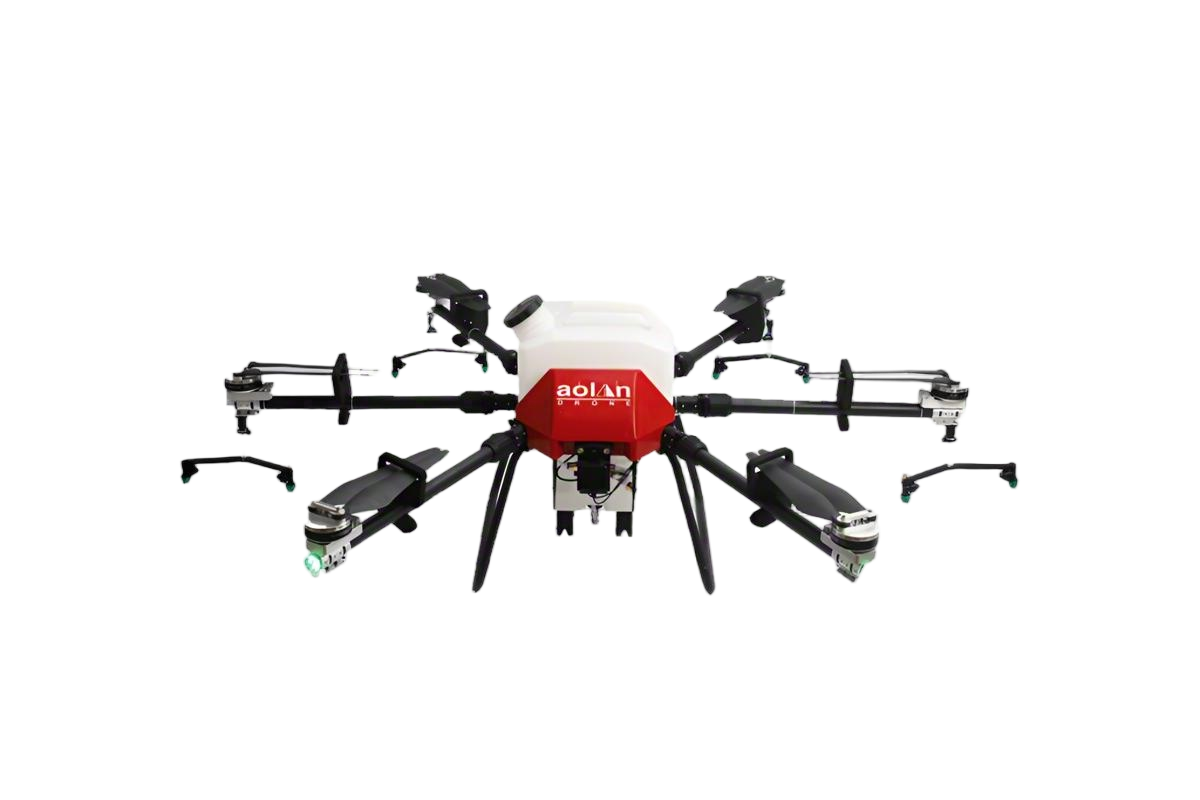 AOLAN
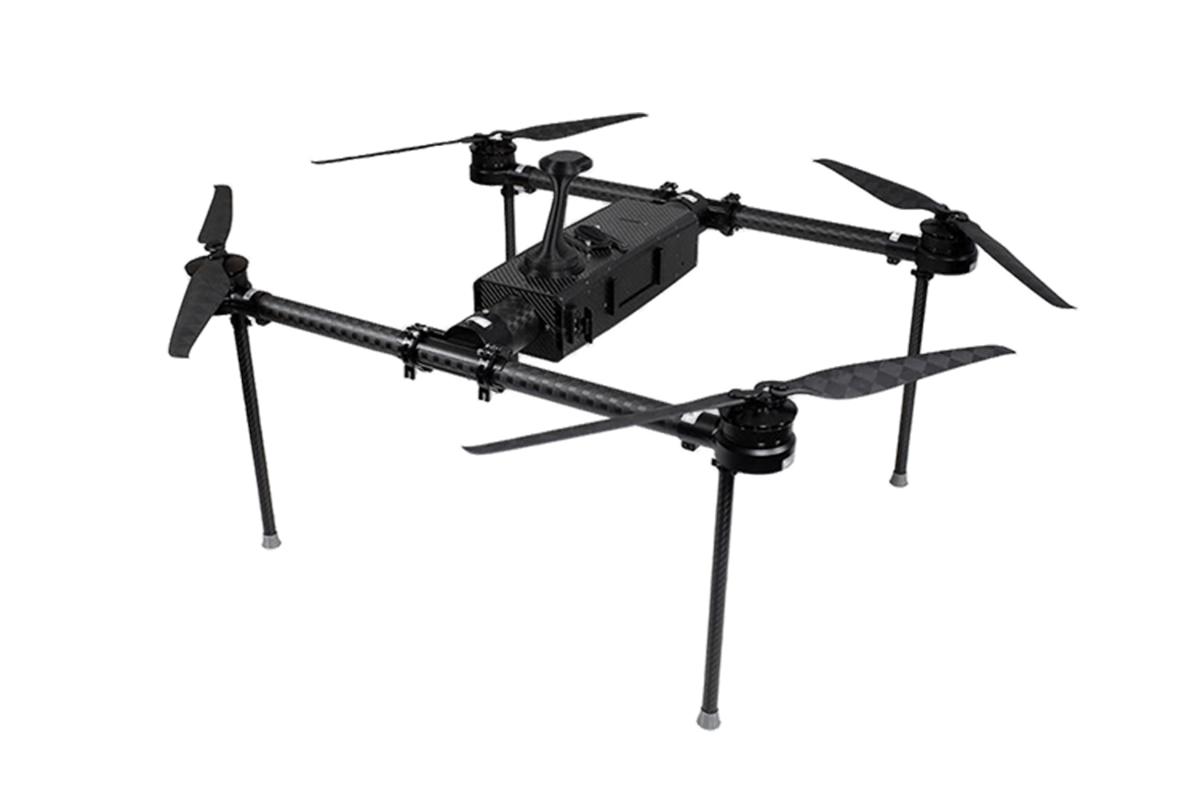 KEEL
 SKY NEXT
- DJI Matrice-4T
- DJI Matrice 4E Drone
- DJI Matrice 4TD
- DJI Matrice 30T
- DJI Mavic 3 Emterprise
- DJI Mavic 3M Multispectral Drone
- DJI RC 2 Plus Industry Plus
- DJI Matrice 4 Series Battery
- DJI Matrice 4D Series Batteries
- TB65 Intelligent Flight Battery
- TB100 Smart Flight Battery
- WB37 Battery
- DJI Accessories

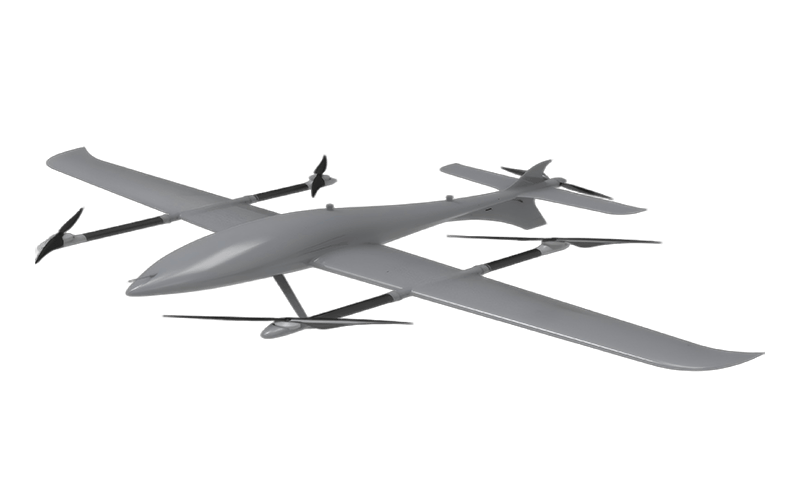
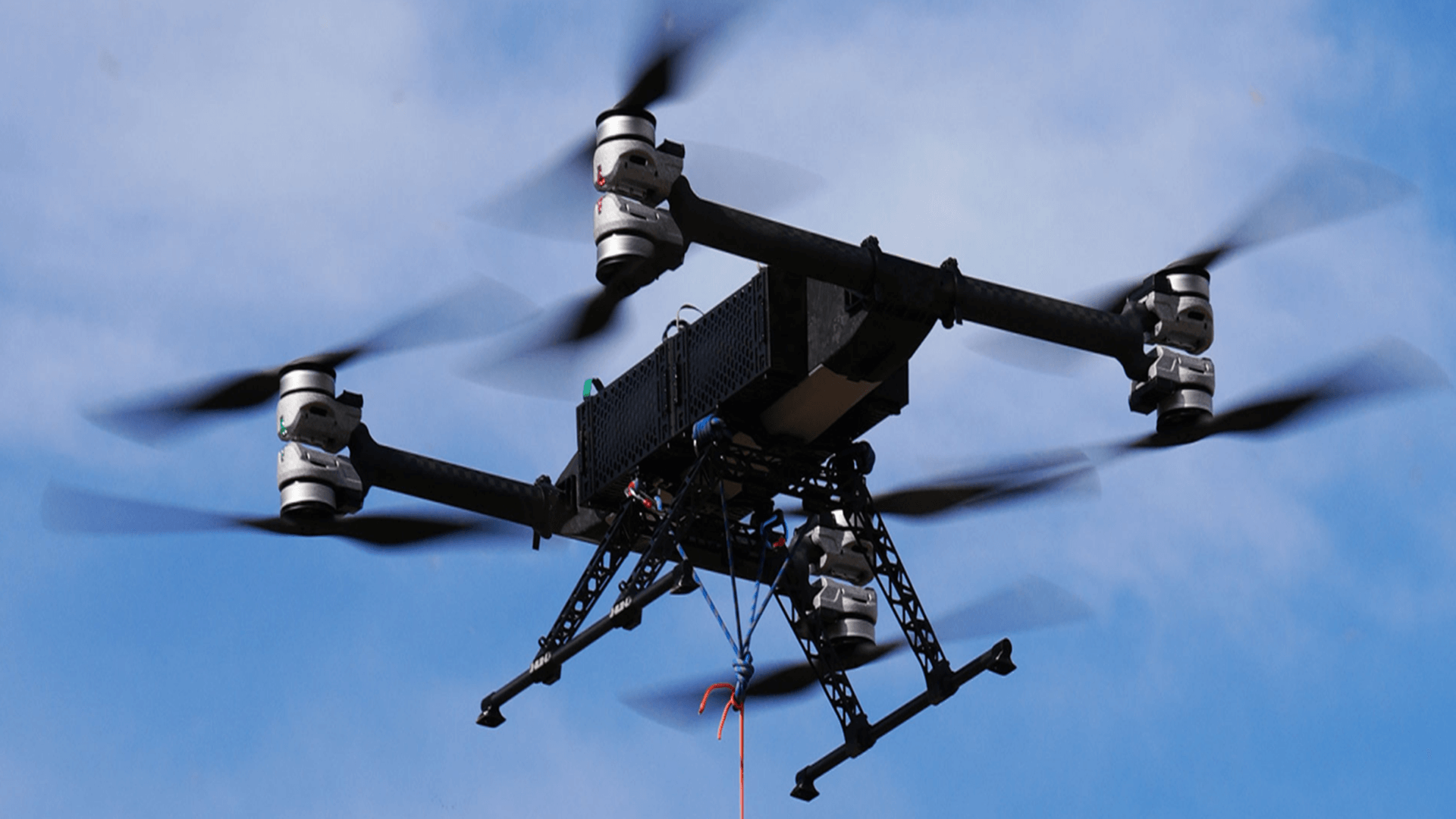
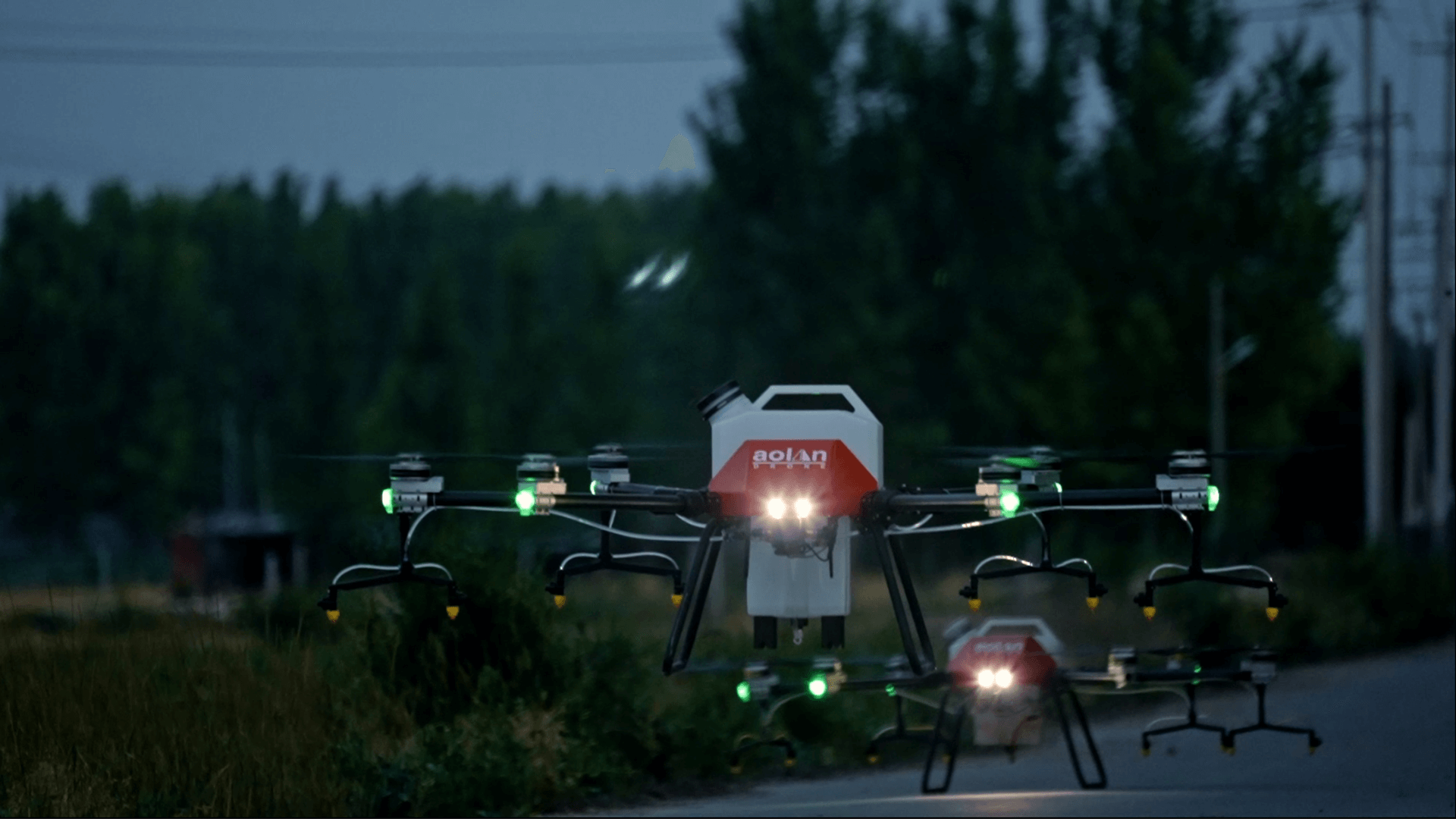
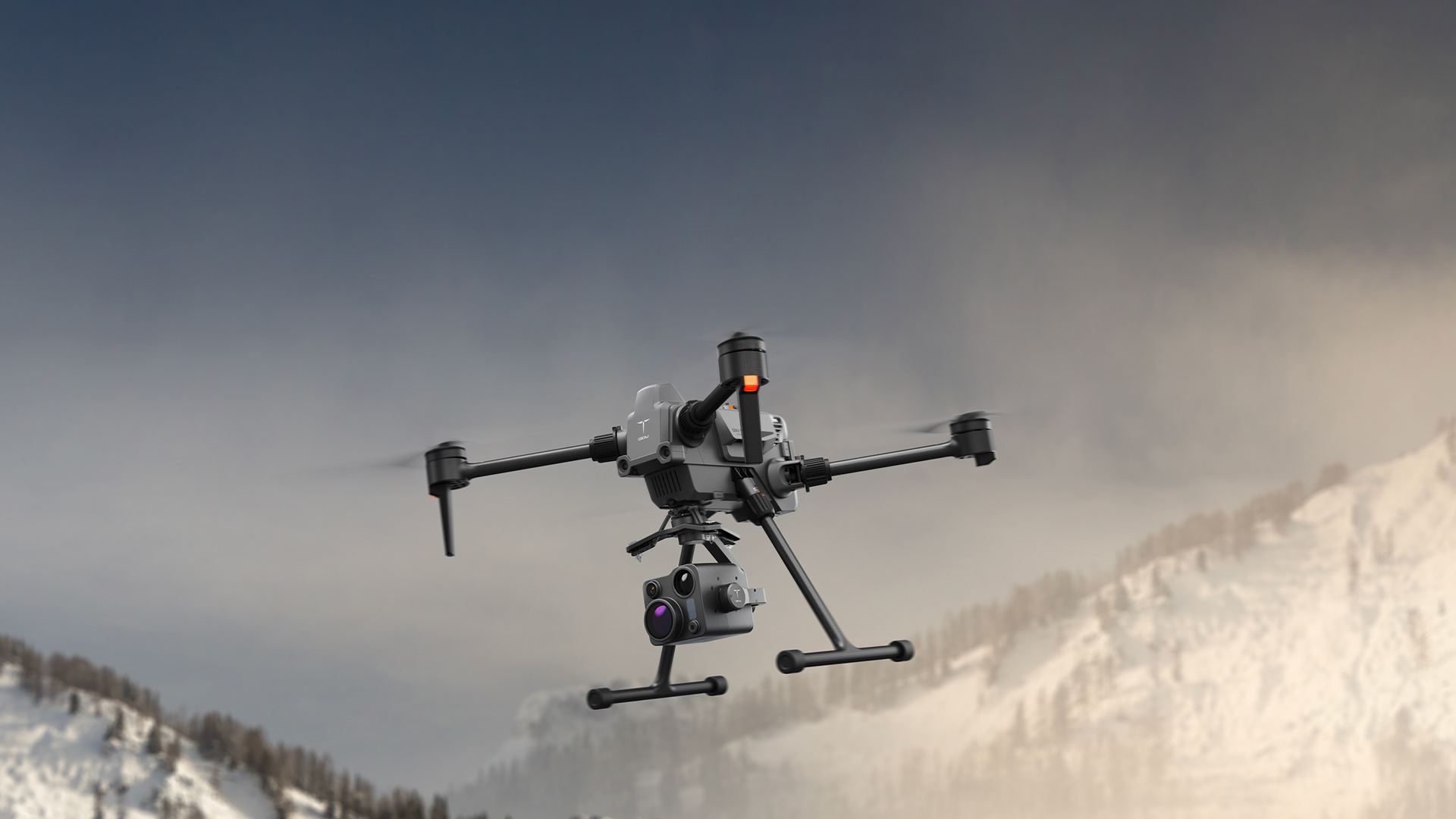
Featured Fertilizer & Agricultural Drone Products
Our top-tier UAV solutions built for precision fertilizing, crop protection, and smart agricultural operations in Germany and across Europe.
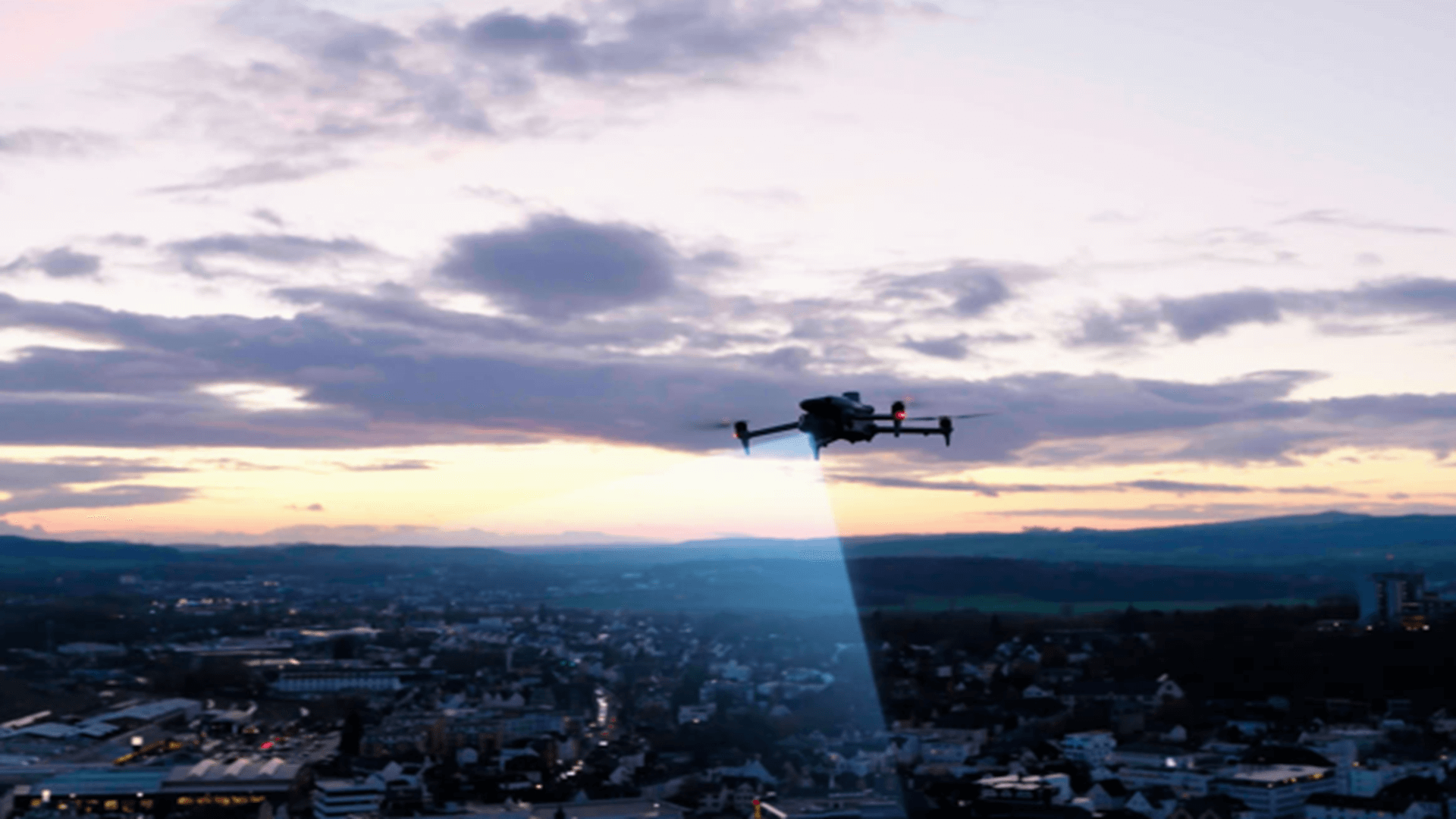
Fertilizer Drone Industry in Germany
Germany stands at the forefront of agricultural innovation in Europe, adopting smart drone technology to modernize fertilizer application across its vast farmlands.
Germany's Agricultural Drone Market
Germany is one of Europe's largest agricultural markets, with over 16.6 million hectares of farmland actively managed by modern agri-technology enterprises. The rapid adoption of fertilizer drones — also known as agricultural spraying UAVs — is reshaping the way German farmers manage crop nutrition and pest control.
As Germany pursues its Farm to Fork sustainability strategy and the EU Green Deal mandates a 50% reduction in pesticide and fertilizer overuse by 2030, precision drone technology has become a critical enabler for compliant, efficient farming operations.
The German fertilizer drone market is projected to grow at a CAGR of over 22% from 2024 to 2030, driven by government subsidies for digital agriculture, the push toward sustainable food production, and the increasing availability of CE-certified UAV systems tailored for European airspace regulations.
Key German states including Bavaria, Lower Saxony, Brandenburg, and North Rhine-Westphalia are leading in drone-based fertilization adoption, with pilot programs supported by regional agricultural authorities and the Federal Ministry of Food and Agriculture (BMEL).
Industry Trends: Smart Fertilizer Drones in Europe
The integration of AI, multispectral sensors, and autonomous flight systems is transforming how European farmers approach fertilization and crop management.
AI-Powered Variable Rate Application
Modern fertilizer drones integrate AI analytics with multispectral imaging to apply precise fertilizer quantities only where needed. This variable rate technology (VRT) reduces input costs by up to 30% while maximizing crop yield — a critical advantage for German precision farming operations.
GNSS & RTK Precision Navigation
German farms increasingly demand centimeter-level GPS accuracy for fertilizer drone operations. RTK-equipped UAVs ensure consistent flight paths, preventing over-application in sensitive areas and enabling repeatable, auditable field records compliant with EU Good Agricultural Practice standards.
Sustainable & Organic Farming Integration
As organic farming area in Germany exceeds 1.7 million hectares, fertilizer drones are being adapted for liquid organic fertilizer application, compost teas, and bio-stimulant spraying — supporting Ökolandbau (organic agriculture) without compromising efficiency.
Long-Endurance Battery & Fast Charging
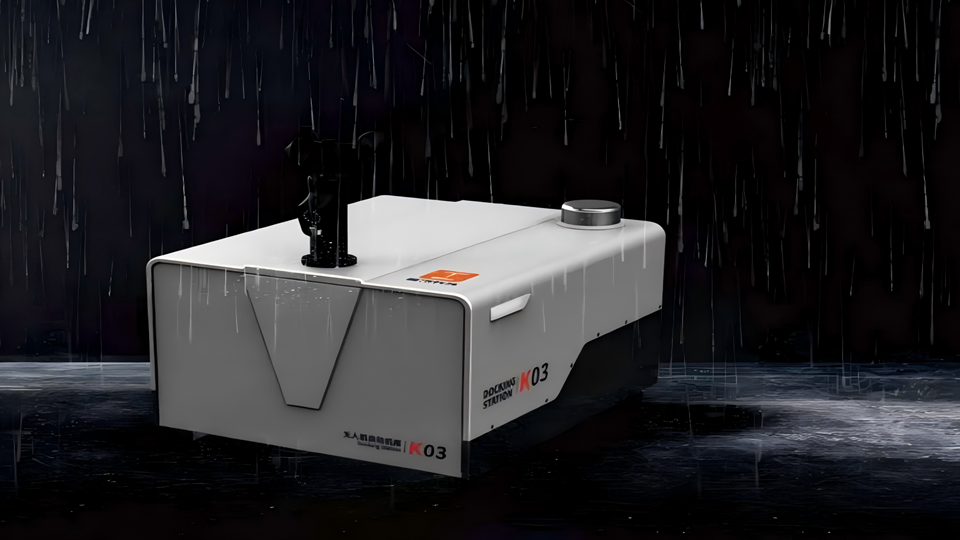
Next-generation 50Ah battery systems allow a single drone flight to cover 200+ mu (≈16 acres), while fast-charge docking stations with 80% charge in 30 minutes enable continuous operations during critical fertilization windows — essential for German crop calendars.
Cloud Fleet Management & Data Compliance
German agricultural enterprises require GDPR-compliant data handling for all drone-captured field data. Our edge-to-cloud pipeline with AES-256 encryption and on-premises deployment options ensures full data sovereignty — meeting both BfR and German data protection authority (BfDI) requirements.
Autonomous Swarm & Fleet Coordination
Large-scale German farming cooperatives (Landwirtschaftliche Genossenschaften) are piloting multi-drone swarm systems for simultaneous field fertilization. Autonomous fleet scheduling reduces human labor requirements and enables 24/7 operations in optimal weather windows.
Localized Application Scenarios in Germany
Our fertilizer drones are tailored for the specific agricultural landscapes, crop types, and regulatory environments of German farming operations.
Grain & Cereal Crop Fertilization
Bavaria and Lower Saxony's extensive wheat, barley, and corn fields benefit from variable-rate UAV fertilizer application. Multispectral NDVI mapping identifies nitrogen-deficient zones, reducing total fertilizer use by 25–30% while maintaining or improving yields.
Viticulture & Specialty Crops
The Rhine Valley and Moselle wine regions present terrain challenges for conventional machinery. Fertilizer drones operate on steep vineyard slopes, delivering precise foliar nutrition and fungicide applications to Riesling and Pinot Noir vines with zero soil compaction.
Reforestation & Forestry Support
Germany's Bundeswaldgesetz reforestation programs utilize fertilizer drones to deliver soil amendments and seedling nutrition across large forested areas damaged by bark beetle infestations, enabling efficient restoration of Fichtelgebirge and Harz mountain ecosystems.
Industrial & Brownfield Remediation
Former industrial sites in the Ruhr Valley undergoing ecological restoration use drone-applied biofertilizers and soil conditioners to accelerate revegetation. UAV precision eliminates the need for heavy machinery on contaminated soils, reducing remediation timelines by up to 40%.
Coastal & Wetland Agriculture
North Sea coastal farmlands in Schleswig-Holstein with limited tractor access benefit from drone fertilization of grass polders and salt meadows. Lightweight UAV systems avoid ground pressure damage to sensitive marsh ecosystems while maintaining agricultural productivity.
Agricultural Research Institutions
German research centers including Leibniz Institute of Agricultural Engineering (ATB) and university agronomy departments utilize our UAV platforms for precision trial plots, enabling real-time monitoring of fertilizer efficacy, soil health metrics, and crop response data collection.
Proven Performance Metrics
Our fertilizer drone systems have delivered measurable results across global deployments including European agricultural markets.
Industries We Serve
Our core business covers power/industrial inspection, precision agriculture, smart city mapping, and platform operations, using advanced tech to boost efficiency, cut costs, and ensure reliability.


About UUUFLY
We turn drones from tools into infrastructure, enabling the global low‑altitude economy with engineering rigor and compliance.
UUUFLY builds repeatable, traceable and compliant UAV systems through integrated innovation across hardware, algorithms and data operations. We close the loop of Discover → Decide → Execute → Trace for power, agriculture and smart‑city customers, delivering measurable aerial productivity at scale.
Core capabilities: dual‑spectrum defect detection (power inspection), multispectral sensing & variable spraying (precision agriculture), 0.05‑m 3D mapping (smart city), autonomous routes & fleet scheduling (scaled operations), and an end‑to‑end edge‑to‑cloud data pipeline (governance & compliance).

Core Business
Power & Industrial Inspection
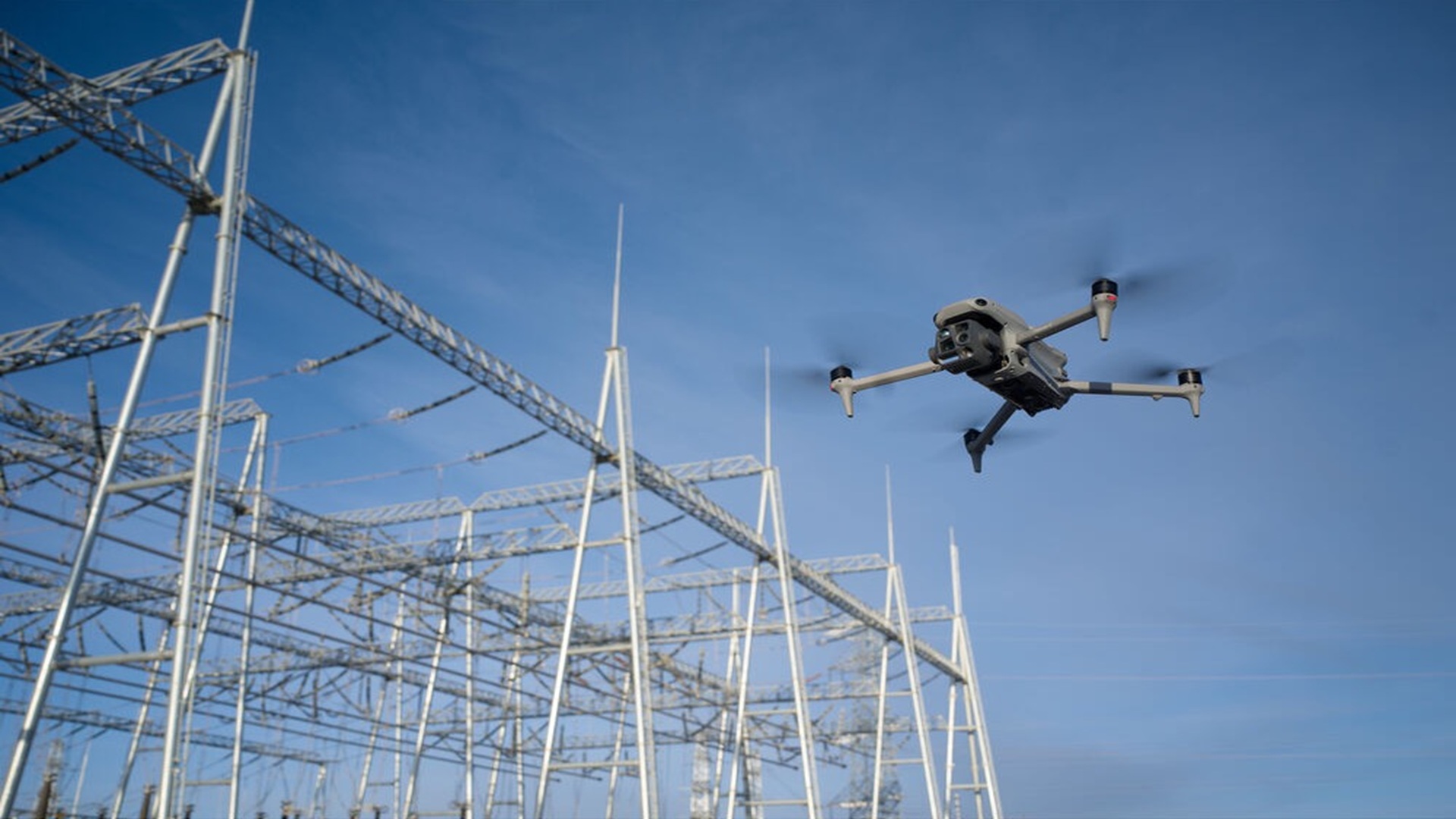
With millimeter‑level positioning and encrypted video links, combined with dual‑spectrum defect detection and AI target recognition, defect discovery efficiency improves by about 40%. In multiple grid pilots, defect detection reached 99.7%. Fast-charge system: 80% in 30 minutes.
Precision Agriculture
Multispectral payloads and AI analytics enable early diagnosis of pests and diseases (about 98% accuracy). Variable spraying reduces pesticide use by roughly 30%, with a single flight covering 200+ mu (≈16 acres). Farms typically see 20–30% lower operating costs.
Smart City & Mapping
Combining LiDAR with oblique photogrammetry delivers 0.05‑m 3D mapping, modeling about 5× faster and reducing cost by 60%. GDPR‑compliant encrypted transmission with 5G real-time cloud analytics boosts planning efficiency by 300%.
Platform Operations
The platform provides autonomous routes, fleet scheduling, mission orchestration and an edge‑to‑cloud pipeline. Open APIs and message buses integrate seamlessly with enterprise systems to build a secure, observable low‑altitude network.

Why Choose UUUFLY
Proven Value & Compliance
Our Team
We combine aerospace engineering, embedded systems, computer vision and large‑scale operations. We understand vehicles and payloads, and we understand the safety standards and compliance that keep missions trustworthy.
Grodon Guan
Dr. Sara Li
Ken Zhu
Alex
Dr. Lin Zhao
Ivy Chen
Our Vision
To become the core infrastructure provider for the global low‑altitude economy. We will keep integrating 5G, AI and hydrogen energy to drive standardized, intelligent and green aerial operations.

Complete Agricultural & Industrial Drone Product Range
Explore our full lineup of professional UAV solutions for fertilizer application, thermal inspection, mapping, and autonomous operations in Germany and Europe.
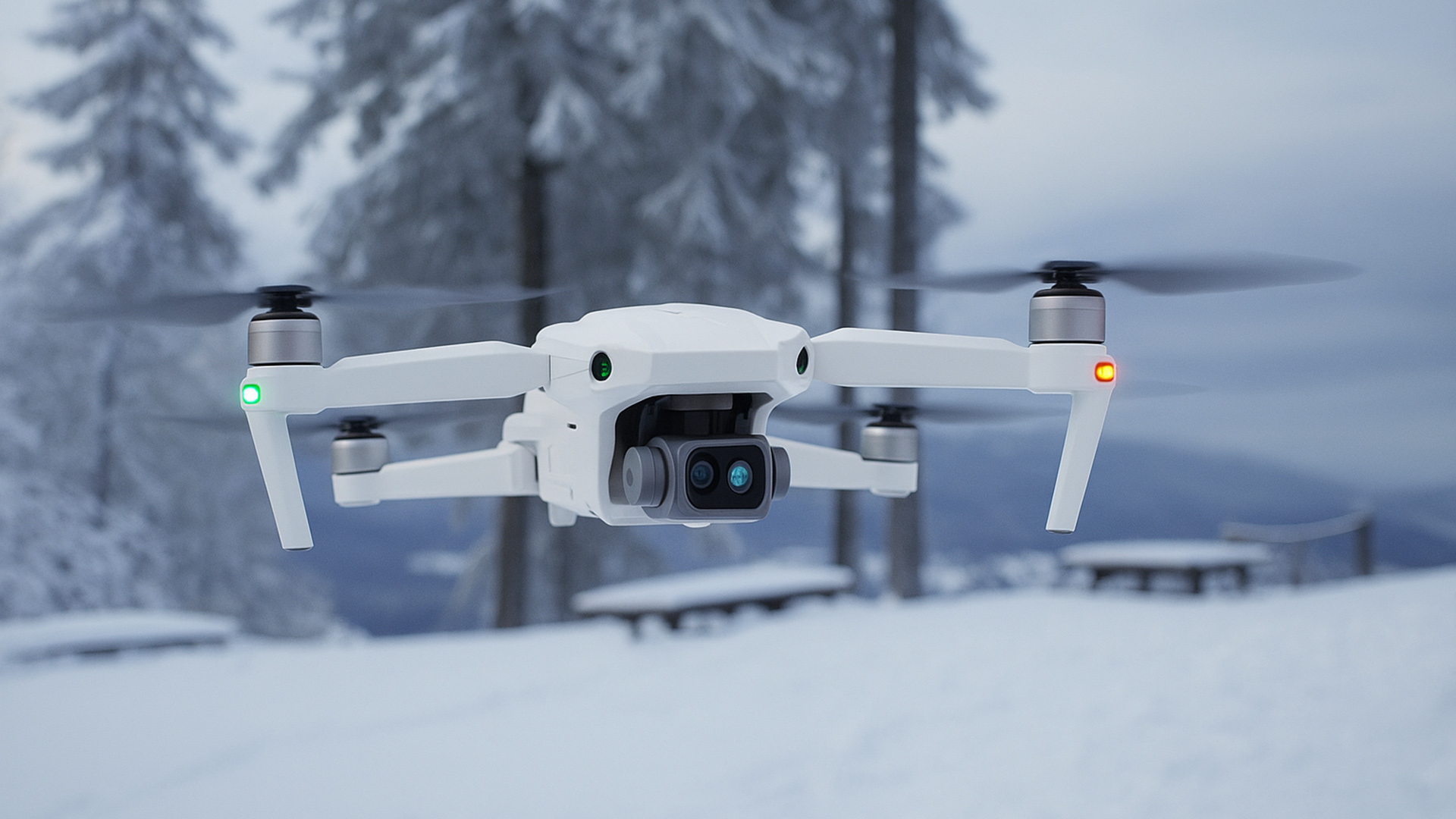
Partner with Germany's Leading Fertilizer Drone Supplier
Get factory-direct pricing, CE-certified products, and dedicated German-language support for your agricultural drone operations. Request a consultation today.
Explore All Products →