0%

In the fast-changing world of industrial tech, the demand for industrial drones is really picking up. Companies are using these little machines for all sorts of things—like surveying, mapping, and inspecting sites. Heading into 2026, choosing the right industrial drone is more important than ever if you want smooth operations.

But here's the thing—there are a lot of factors to think about. You’ve gotta look at payload capacity, battery life, camera quality—you know, the stuff that actually makes a difference. Big names like DJI and Parrot do have some solid options, but keep in mind, no drone is perfect. Some might be great for certain jobs but not so much for others. So, really, understanding your specific needs is key.

Honestly, making the decision can be pretty overwhelming. The market’s getting more crowded, and not every brand out there is reliable. Doing your homework—reading reviews and researching—can save you from headaches down the line. It’s all about finding that sweet spot between performance and cost. These drones have huge potential to shake up how we work, but taking the time to choose wisely makes all the difference.

How to Choose the Best Industrial Drones in 2026?

Understanding the Different Types of Industrial Drones Available in 2026

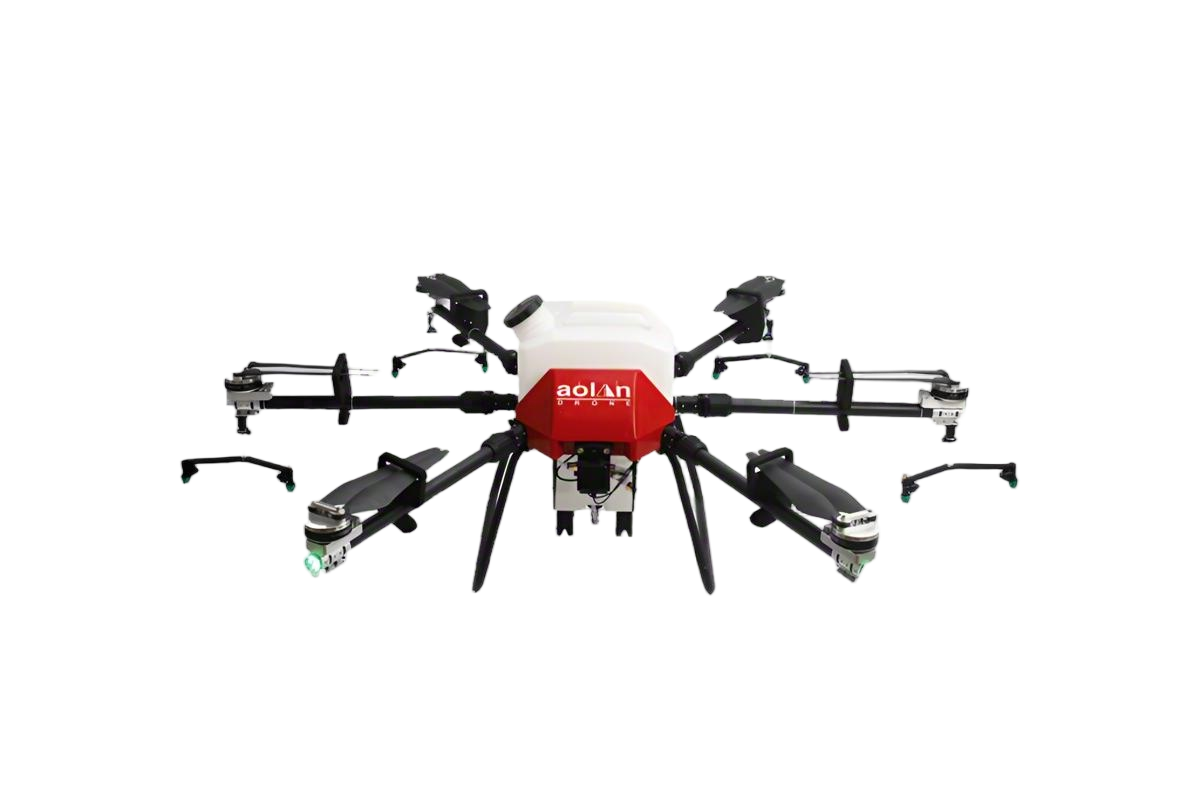
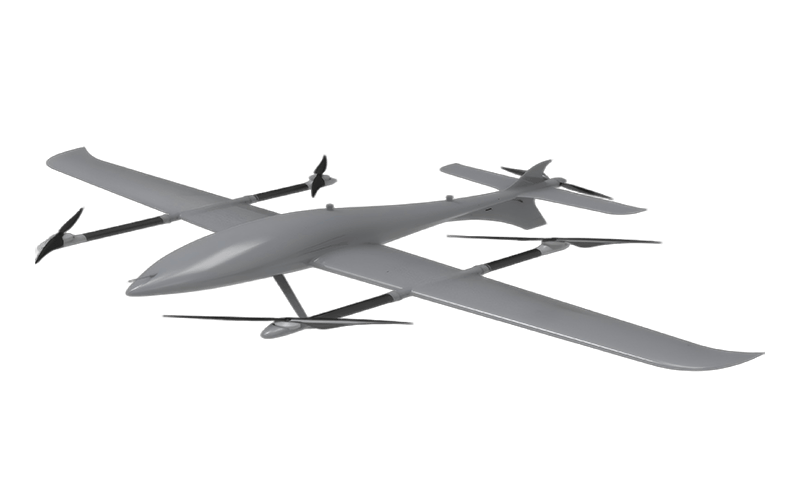
In 2026, the landscape of industrial drones presents a variety of options tailored to different needs. There are fixed-wing drones. They excel in covering large areas with high efficiency. This design suits industries like agriculture, where extensive data collection is crucial. Fixed-wing models can fly longer distances and stay airborne for hours. However, they may lack the precision of other types.

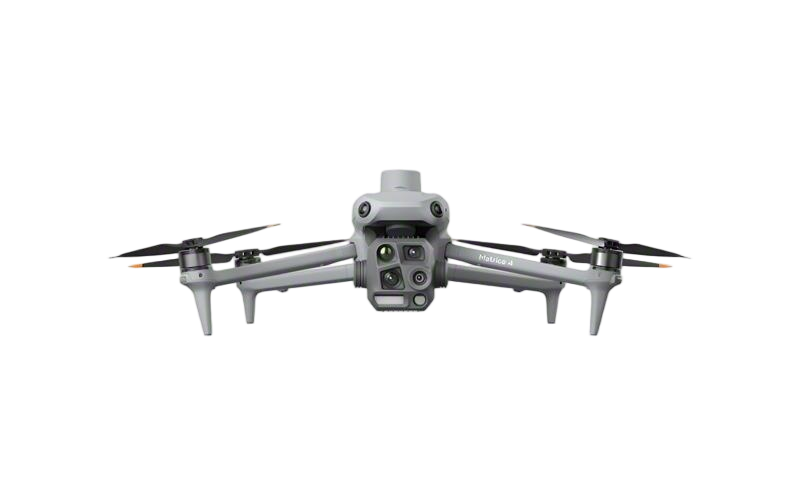
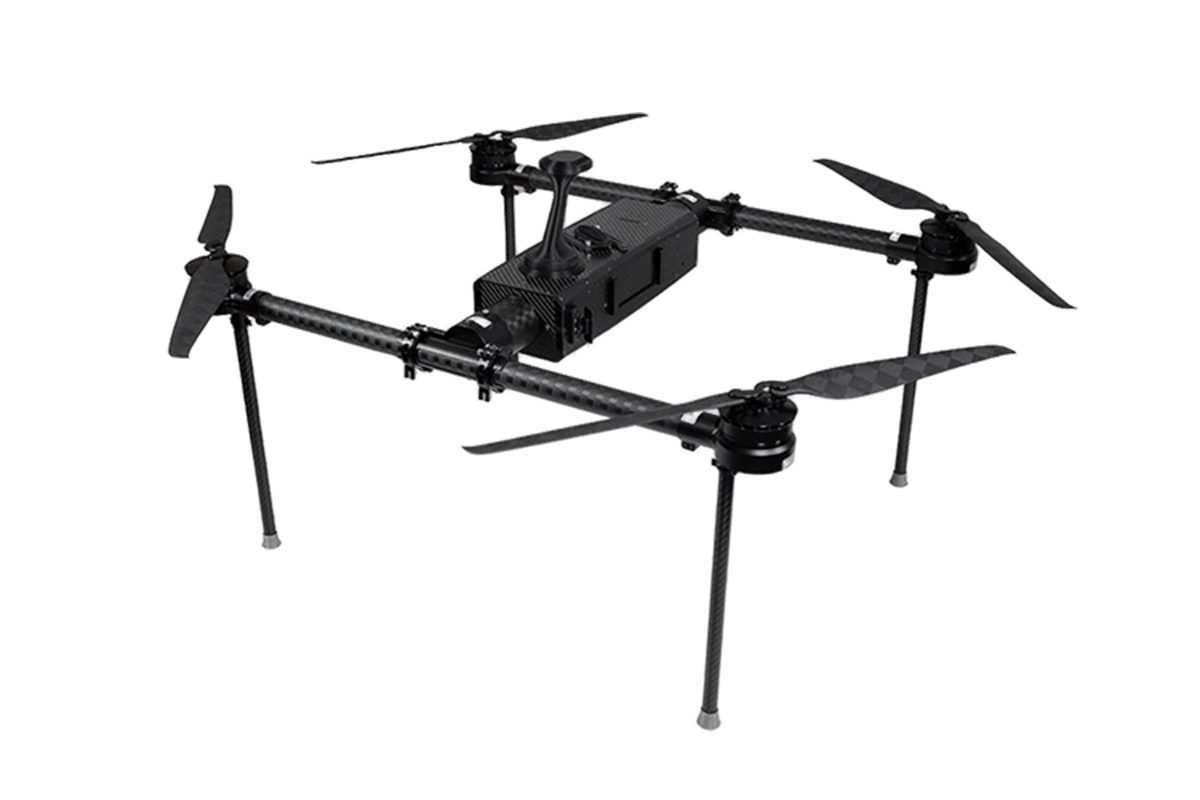
Multi-rotor drones are another popular choice. They offer remarkable versatility and maneuverability. These drones are ideal for inspections and precise mapping tasks. Their ability to hover allows for detailed imagery and measurements. But the trade-off is limited flight time and range. Users might find their battery life a challenge, especially in larger projects.

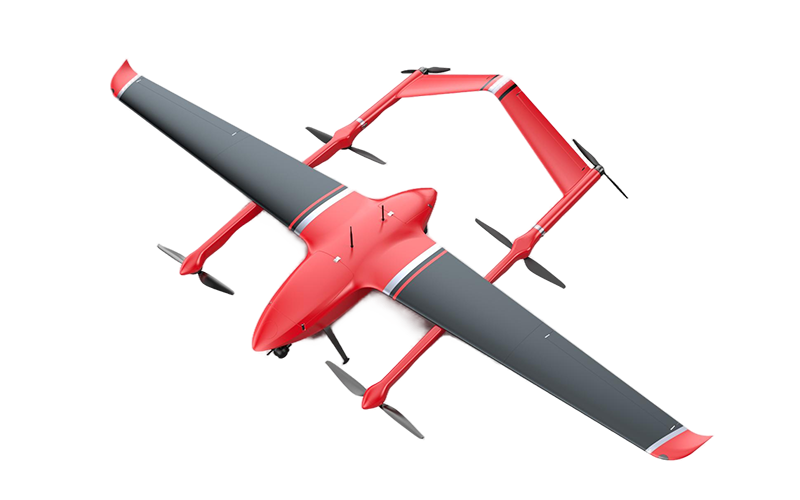
Hybrid drones combine the best of both worlds. They can take off like a helicopter but fly long distances like fixed-wing models. This dual capability is appealing for logistics and search-and-rescue operations. Despite their advantages, hybrid drones tend to be heavier and may have higher operational costs. It's essential to evaluate your specific requirements before making a choice. Each type comes with its strengths and weaknesses, demanding a thoughtful approach.

Key Factors to Consider When Choosing an Industrial Drone

When selecting industrial drones in 2026, several key factors emerge. Understanding the specific requirements of your industry is crucial. For example, construction and agriculture have distinct needs. According to a 2023 report by Drone Industry Insights, over 75% of businesses reported enhanced productivity after adopting drones. This showcases their capability in varied applications.

Payload capacity is another critical aspect. Ensure the drone can transport necessary equipment or materials. A drone's flight time directly affects operational efficiency. Many advanced models now offer flight times exceeding 60 minutes, which significantly reduces downtime. However, some drones may have limitations in battery life and payload when operating in harsh conditions.

Another important consideration is software compatibility. Data management systems must integrate seamlessly with the drones. Inadequate software can lead to inefficiencies and data loss. It's worth reflecting on the fact that while technology advances swiftly, not all drones stay relevant long-term. Regular updates and support from manufacturers play a significant role in maintaining operational effectiveness and security. Thus, making an informed choice is essential for long-term success.

Evaluating Payload Capacity and Flight Time for Industrial Applications

When selecting industrial drones, evaluating payload capacity and flight time is crucial for success. Payload capacity determines how much equipment or material a drone can carry. This is vital for sectors like agriculture, construction, and logistics. For instance, a drone with a high payload can transport heavy sensors or tools, streamlining operations.

Flight time adds another layer of consideration. Drones with longer flight durations work efficiently on larger projects without frequent recharging. Practicing with different models can reveal practical limitations. Sometimes, the impressive specifications on paper don't translate to real-life scenarios. Understanding the trade-offs between payload and flight time is essential.

Not all applications require the maximum potential. Some might only need basic features for local deliveries or inspections. Consider how real-world conditions, like weather or terrain, affect performance. This insight will help create a balanced approach tailored to specific needs and expectations.

Assessing Drone Technology: Sensors, Cameras, and Navigation Systems

In 2026, selecting the right industrial drones hinges on evaluating their technology. Focus on sensors, cameras, and navigation systems. High-quality sensors are crucial. They determine how well a drone perceives its environment. Reliable sensors enhance data accuracy and task efficiency. Look for drones equipped with advanced LiDAR and infrared sensors that excel in diverse conditions.

Cameras are another critical component. They capture high-resolution images and videos. Integrated thermal imaging can be beneficial for inspections. Consider drones with interchangeable camera options to suit different projects. Enhanced optics and advanced stabilization will improve the quality of the footage. Think about the use cases, as they dictate specific camera needs.

Navigation systems must be robust. Precision in GPS and obstacle avoidance are essential for safe operations. Drones should feature real-time data processing to navigate complex terrains. However, remember that technology evolves rapidly. Regular updates and adaptability will influence the longevity and relevance of the drone in your operations. Evaluating these aspects thoroughly will empower better decision-making when selecting industrial drones.

Regulatory Compliance and Safety Standards for Industrial Drones

The arrival of 2026 will mark a crucial phase for industrial drones, especially concerning regulatory compliance and safety standards. As the global drone market is projected to reach $43 billion by 2024, industry players must prioritize safety. Current regulations are evolving to manage this growth effectively. The FAA has implemented stricter guidelines, requiring all commercial drones to meet detailed safety checks. These measures include remote identification and operational limitations to ensure safe integration into the airspace.

Compliance isn't just about following rules; it's about trust. According to a recent report from the International Civil Aviation Organization, 75% of drone incidents arise from regulatory non-compliance. Adhering to safety standards protects users and enhances the public perception of drones in various sectors. Companies must train operators to understand regulations and ensure their drones meet specific technical requirements before deployment.

The challenge lies in staying updated with rapid regulatory changes. In 2026, the landscape may look very different. New technologies might emerge, necessitating updated compliance measures. Companies should actively participate in industry discussions and forums. Engaging with regulators can provide insights into forthcoming regulations, allowing businesses to adapt effectively. This proactive approach can also contribute to shaping the future of drone operations.

Industrial Drone Safety Compliance in 2026

Budgeting for Purchase and Maintenance Costs of Industrial Drones

When budgeting for industrial drones, consider both purchase and maintenance costs. The initial investment can be high. This includes the drone itself and any specialized equipment. Think about additional tools, like transport cases and batteries. Poor budgeting can lead to unplanned expenses later.

Maintenance costs are critical and often overlooked. Annual service checks can add up. Repairs might be needed due to wear and tear. It’s essential to set aside funds for unexpected breakdowns. A malfunctioning drone can halt operations and lead to lost revenue.

Training costs also factor into the budget. Operators need proper training to utilize drones effectively. Investing in quality training can prevent accidents and costly mistakes. Regular training updates are necessary as technology evolves. This ensures your team is always prepared. Take the time to analyze these costs thoroughly. Overseeing the budget wisely can lead to better decision-making and long-term success.

How to Choose the Best Industrial Drones in 2026? - Budgeting for Purchase and Maintenance Costs of Industrial Drones

Drone Type Purchase Price (USD) Maintenance Cost per Year (USD) Flight Time (minutes) Payload Capacity (kg) Key Features
Agricultural Drone $5,000 $800 30 10 Spraying, Mapping, Crop Monitoring
Surveying Drone $7,500 $1000 50 5 High-Resolution Imaging, GPS, LiDAR
Delivery Drone $3,500 $600 20 2 Fast Delivery, GPS Tracking
Inspection Drone $9,000 $1200 40 3 Thermal Imaging, Live Streaming
Mapping Drone $8,000 $900 60 4 High-Res Cameras, Automated Flight

Future Trends in Industrial Drone Technology and Features to Watch

As industrial drone technology evolves, several trends will shape the landscape in 2026. Automation is a key focus. Drones will increasingly incorporate AI, enhancing capabilities. This could include smarter navigation and obstacle avoidance. With this advancement, efficiency in tasks will improve. However, reliance on automation may pose challenges. Human oversight will still remain essential.

Battery technology is another area to watch. Drones will likely feature longer flight times and faster recharging abilities. These improvements can allow for extended operations in remote areas. However, higher energy demands could lead to heavier batteries, affecting overall performance. Finding a balance is crucial.

When choosing an industrial drone, consider the specific application. What tasks will it perform? Assess the payload capacity. It’s vital to match the drone’s features with your operational needs. Look for superior imaging capabilities if data collection is a priority. Additionally, keep an eye on software updates, as maintaining competitive advantages depends on evolving functionalities.

Always think critically about your choices. Are the latest trends actually beneficial for your needs? Reflecting on this can save time and resources in the long run. Drones will continue to transform industries, but selecting the right equipment requires careful thought.

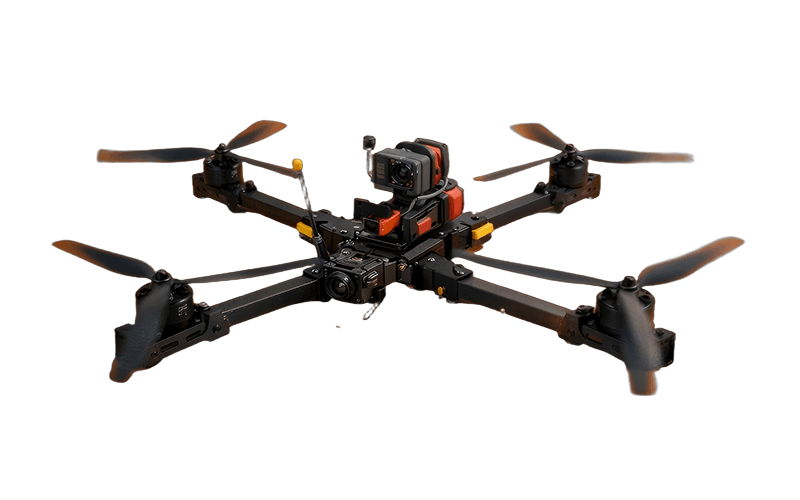
Exploring the Future of Industrial Operations: The KEEL Modular Drone's Impact on Efficiency and Flight Innovation

The advent of advanced drone technology is revolutionizing industrial operations, enhancing efficiency and transforming flight innovation. One remarkable example is the development of modular drones engineered specifically for long-range operations. These industrial-grade drones are designed to meet the demanding needs of professionals across various sectors, including agriculture, construction, and logistics. According to a recent report by MarketsandMarkets, the global commercial drone market is projected to grow from $5.3 billion in 2020 to $13.5 billion by 2025, reflecting a compound annual growth rate (CAGR) of 20.5%. This growth is indicative of the increasing reliance on drone technology to optimize operational workflows.

The KEEL Modular Drone exemplifies how such technology can deliver unmatched endurance and versatility. By integrating advanced features such as extended flight times, these drones can perform complex tasks and cover vast distances without requiring frequent recharging. For instance, a study by the Association for Unmanned Vehicle Systems International (AUVSI) highlights that drones used in logistics can reduce delivery times by approximately 70%, a game-changer for industries reliant on rapid response and efficiency. Operators can deploy these drones for various applications, from real-time mapping and surveying to monitoring vital infrastructure.

Furthermore, the flexibility of modular drone design allows for easy adaptation to different operational needs, thereby enhancing their utility across various professional domains. With an increasing emphasis on operational efficiency and cost-effectiveness, industries are beginning to see the undeniable benefits that such innovations bring. This new era of flight not only enhances productivity but also sets the stage for smarter, more integrated industrial processes in the near future.

FAQS

: What should I consider when choosing an industrial drone?

: Understand your industry requirements, as different sectors have distinct needs.

Why is payload capacity important?

It determines the amount of equipment or materials a drone can carry, crucial for various applications.

How does flight time impact drone operations?

Longer flight times enhance efficiency, particularly for larger projects, reducing the need for frequent recharging.

Can I rely solely on a drone's specifications?

Not always. Real-world performance may differ, so practical testing is essential.

How does software compatibility affect drone use?

Inadequate software can lead to inefficiencies and data loss. Seamless integration is vital for success.

What factors affect drone performance in harsh conditions?

Battery life and payload capacity can be limited in bad weather or tough terrains.

Should I expect drones to stay relevant over time?

Technology evolves quickly. Some drones may not remain effective without regular updates and support.

Do all applications require high-performance drones?

No. Some tasks may only need basic features, depending on specific operational needs.

How can I better assess my drone choices?

Consider practical trials, real-world conditions, and trade-offs between features to ensure suitability.

Is there a risk of inefficiency in drone operations?

Yes, if requirements aren't clearly defined or suitable drones aren't chosen, productivity may suffer.

Conclusion

In 2026, choosing the best industrial drones involves understanding the various types available, each designed for specific applications. Key factors include evaluating payload capacity and flight time, which are crucial for meeting operational requirements. Assessing advanced drone technology, such as sensors, cameras, and navigation systems, also plays a vital role in enhancing efficiency and data accuracy.

Additionally, compliance with regulatory standards and safety regulations is essential to ensure safe operations in industrial settings. Budget considerations for both purchase and maintenance costs must be made to align with business objectives. Lastly, staying informed about future trends in industrial drone technology will help users anticipate upgrades and innovations that can optimize their use of drones in the workplace.

Charlotte

Charlotte

Charlotte is a dedicated marketing professional with a deep expertise in the UAV systems developed by UUUFLY. Her commitment to integrated innovation across hardware, algorithms, and data operations positions her as a driving force in delivering cutting-edge solutions for power, agriculture, and......
Previous Why Are Commercial Drones Essential for Modern Business?