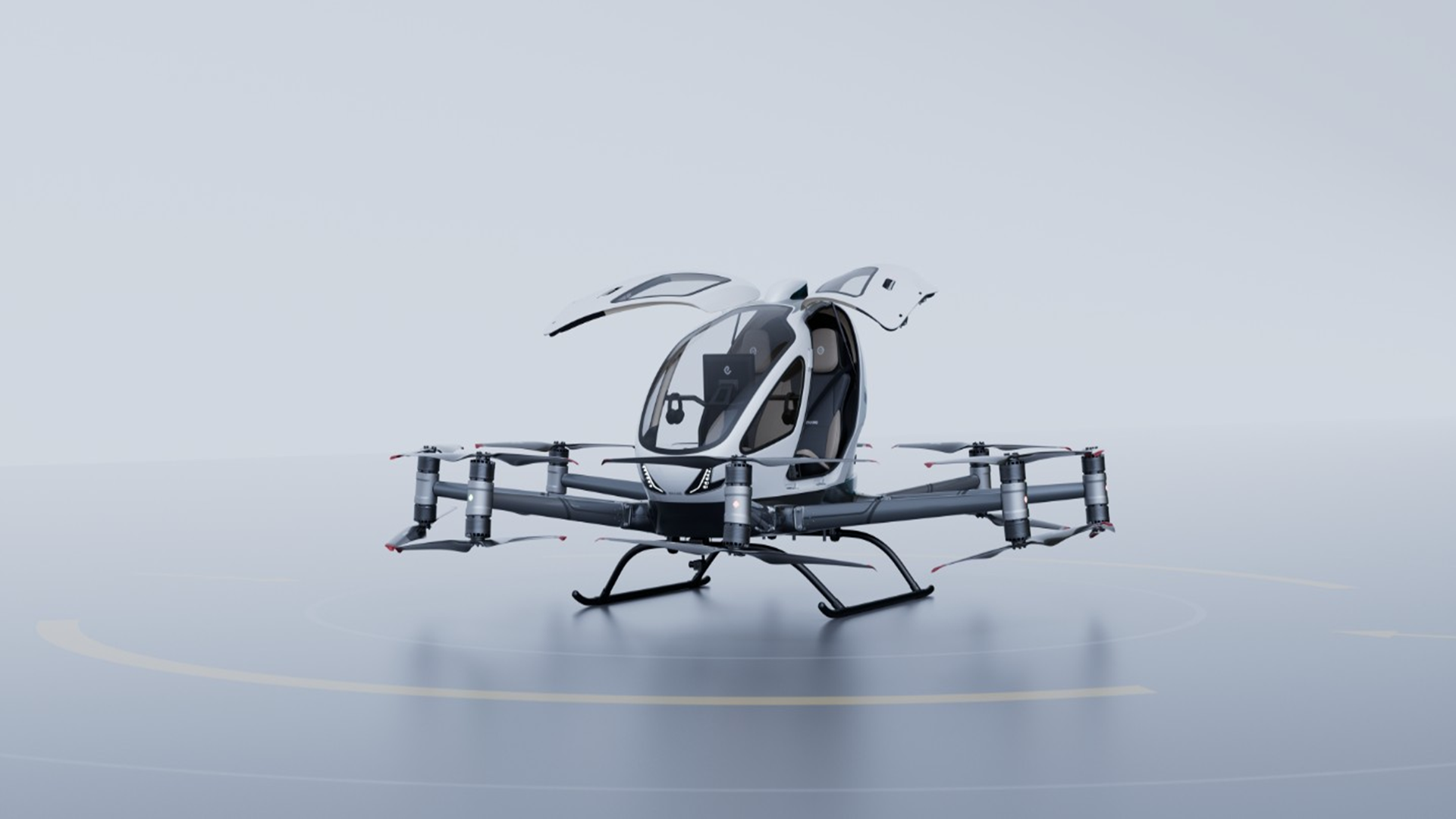
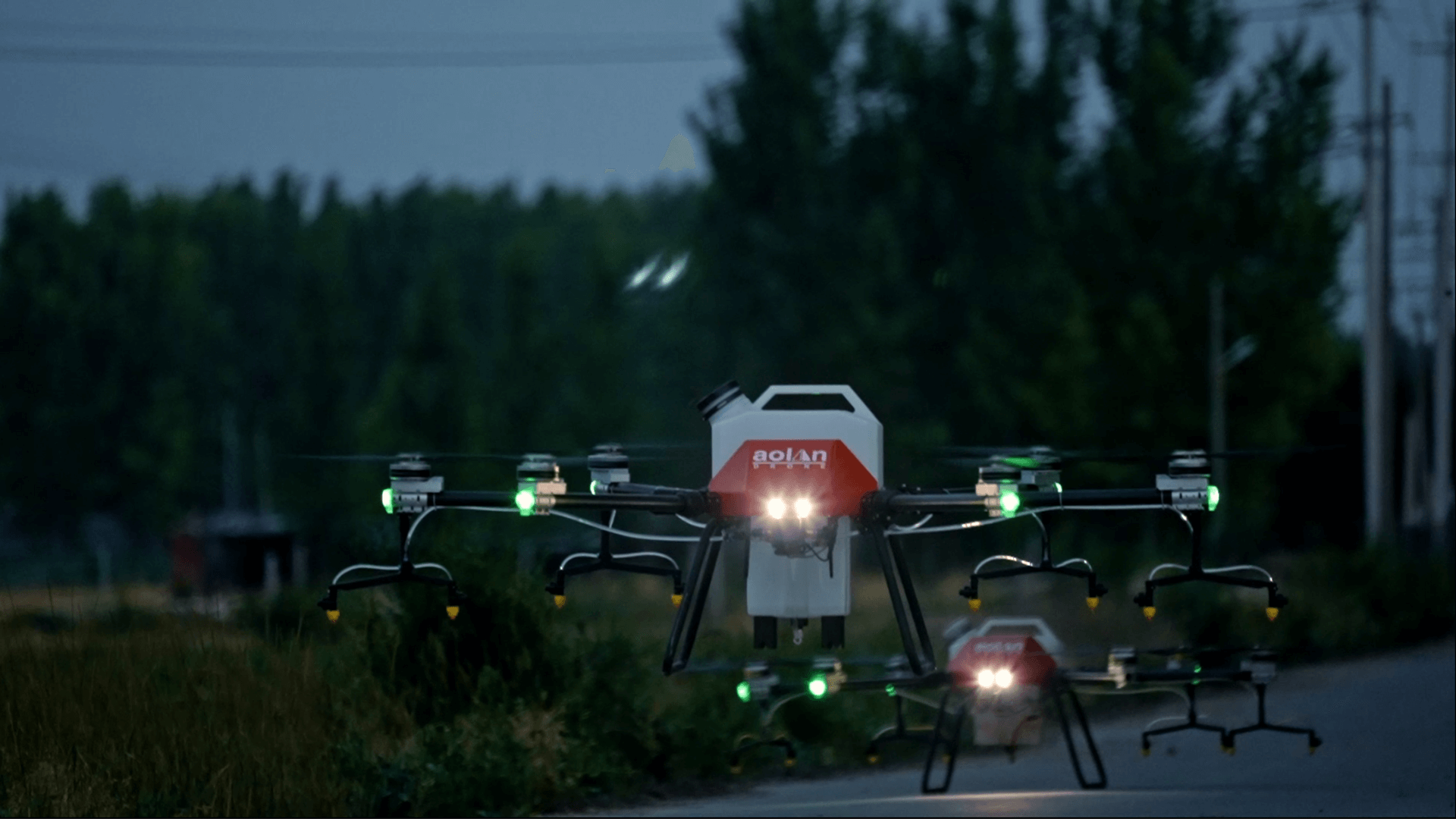
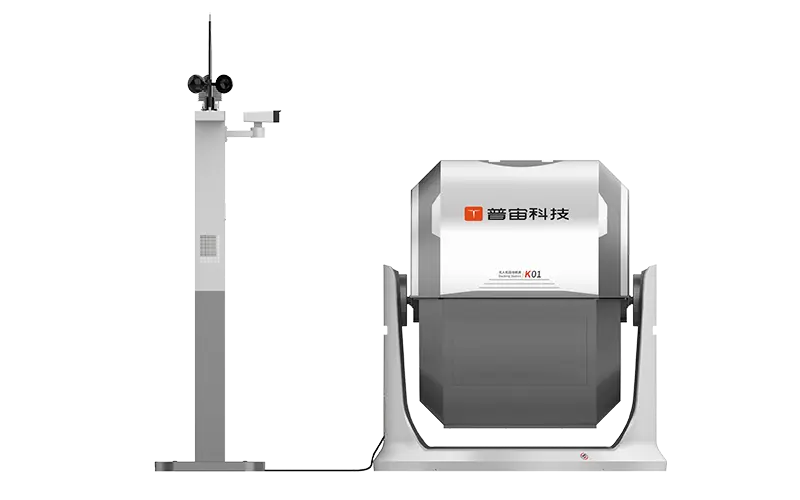
 GDU

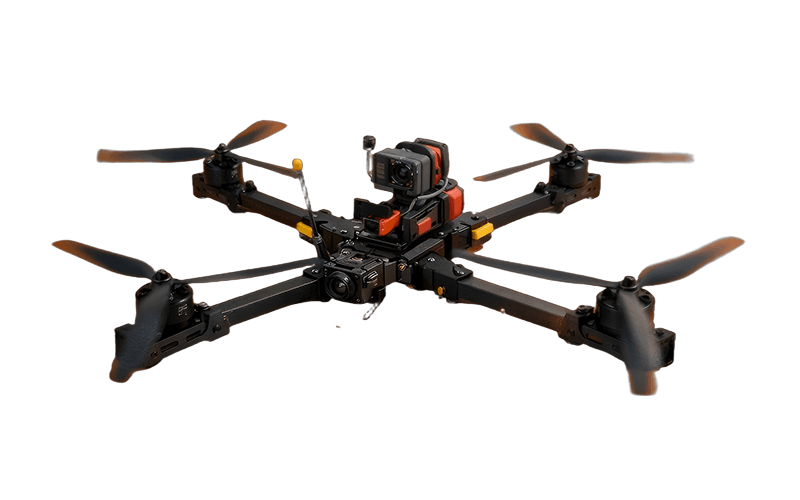 UUUFLY
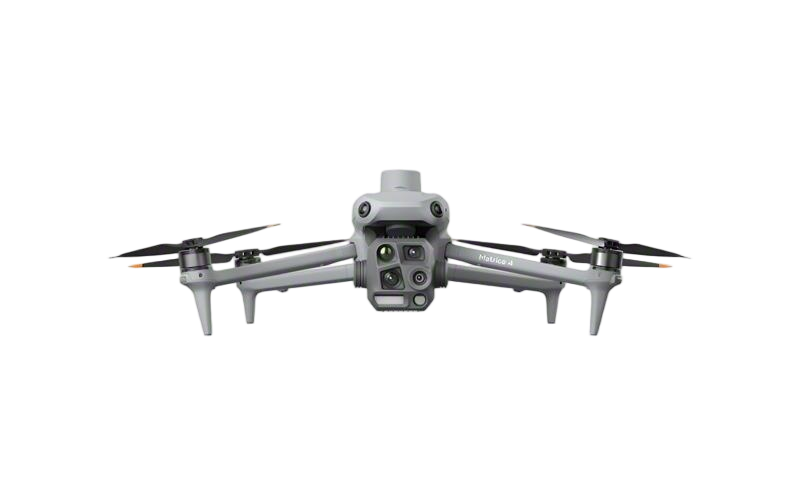 DJI
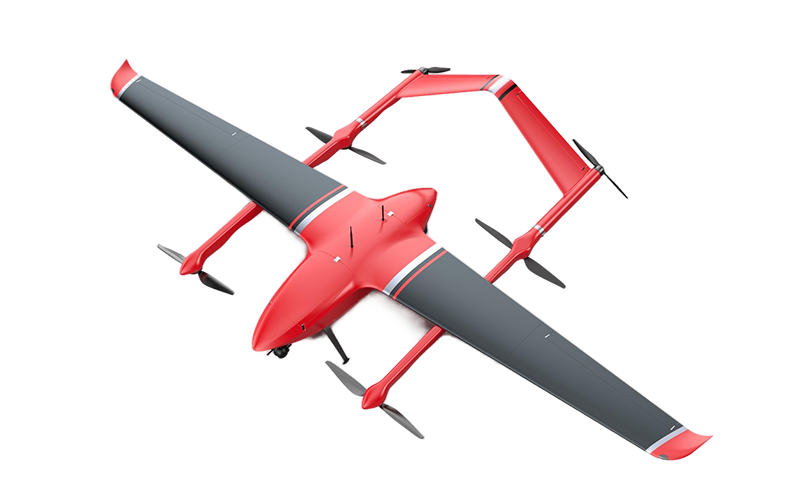 MMC
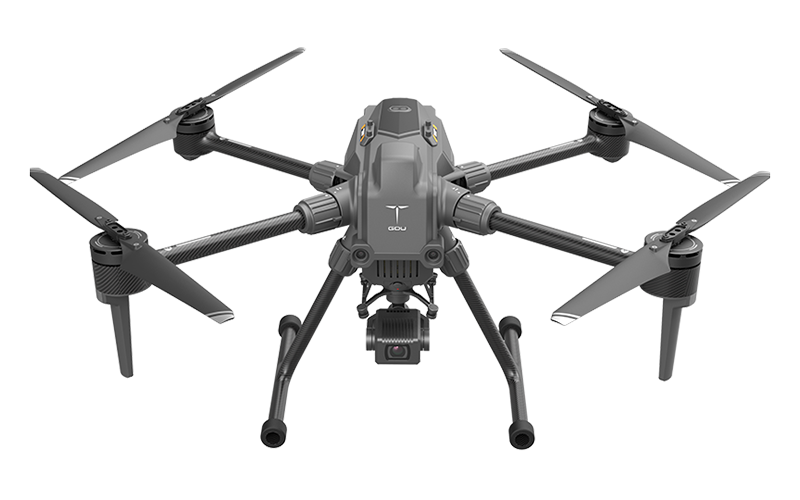 GDU
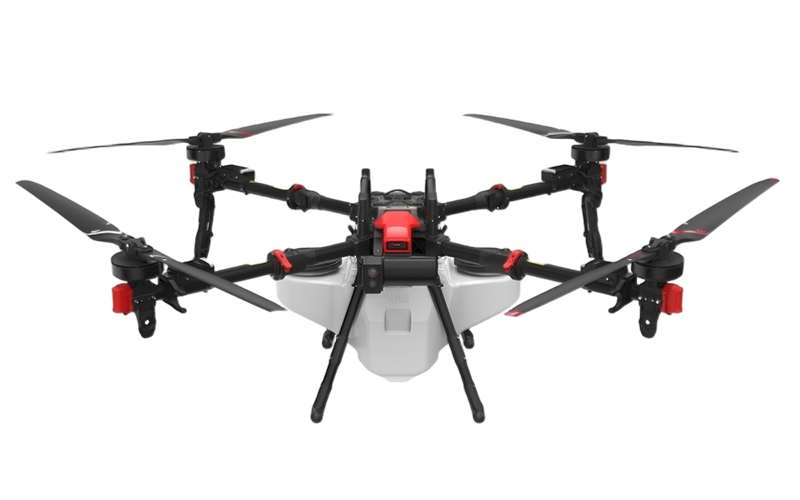 XAG
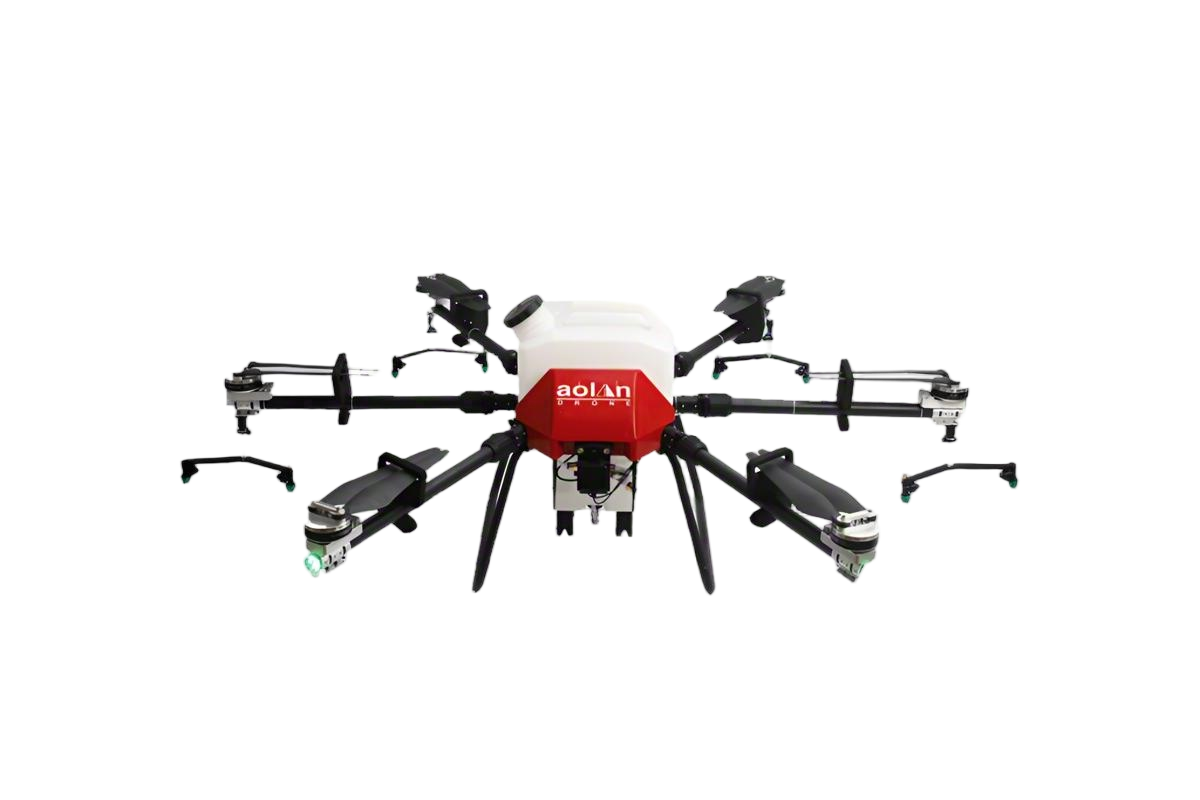 AOLAN
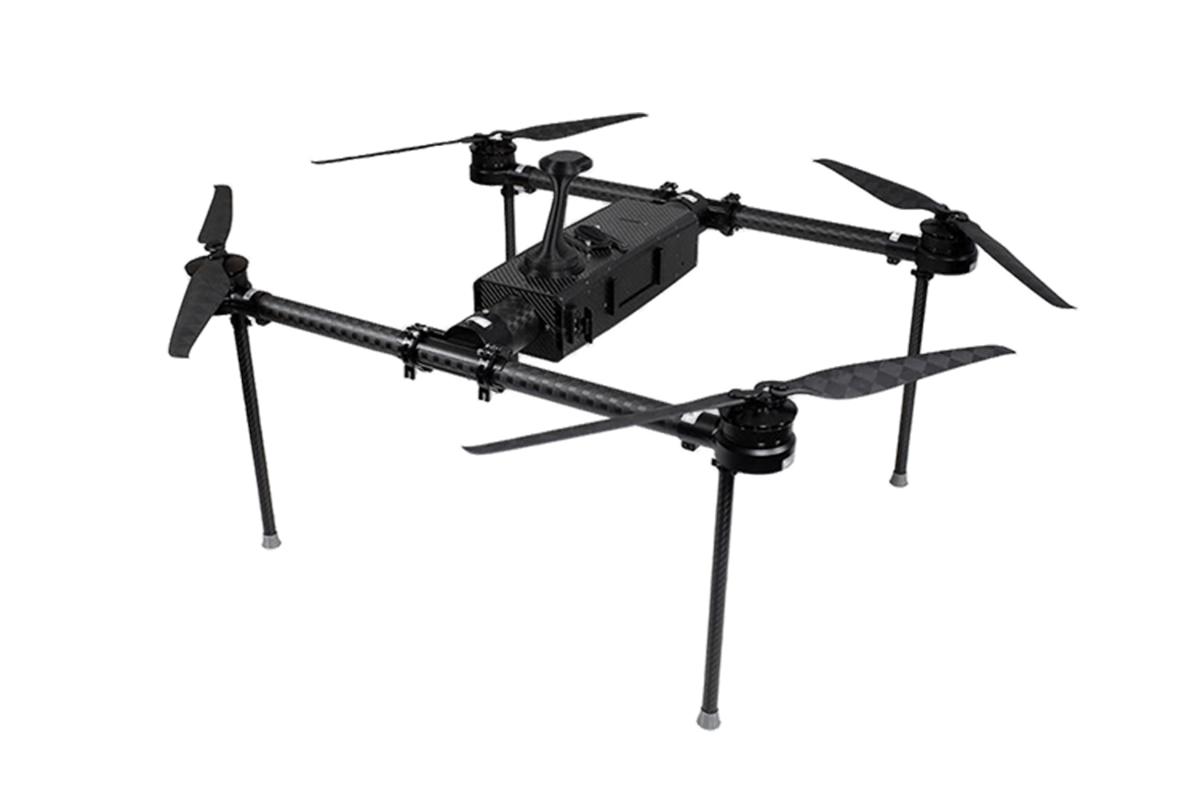 KEEL
 SKY NEXT
- DJI Matrice-4T
- DJI Matrice 4E Drone
- DJI Matrice 4TD
- DJI Matrice 30T
- DJI Mavic 3 Emterprise
- DJI Mavic 3M Multispectral Drone
- DJI RC 2 Plus Industry Plus
- DJI Matrice 4 Series Battery
- DJI Matrice 4D Series Batteries
- TB65 Intelligent Flight Battery
- TB100 Smart Flight Battery
- WB37 Battery
- DJI Accessories

Featured UAV Solutions for Spraying & Delivery
Explore our leading autonomous spraying UAV platforms engineered for precision agriculture, cargo delivery, and remote logistics operations across diverse terrains.

The Rise of Autonomous Spraying UAVs in Cargo & Logistics
The global autonomous UAV market is experiencing a seismic shift. No longer confined to military reconnaissance or hobbyist photography, autonomous spraying UAVs have emerged as mission-critical assets in cargo delivery, remote logistics, and large-scale precision agriculture. As supply chains evolve and rural infrastructure gaps widen, unmanned aerial vehicles represent the fastest, most cost-efficient pathway to bridging last-mile delivery challenges across difficult terrains.
Key Insight: According to industry analysts, the global drone logistics and transportation market is projected to exceed $30 billion by 2030, with autonomous spraying and cargo UAVs accounting for a significant share of commercial deployments in agriculture-heavy and infrastructure-sparse regions.
Commercial & Industrial Landscape: Where Autonomous UAVs Are Deployed Today
The commercial integration of autonomous spraying UAVs into cargo and logistics ecosystems is no longer a pilot program — it is an operational reality. Across Southeast Asia, Sub-Saharan Africa, Latin America, and remote regions of Europe and Central Asia, fleets of intelligent drones are replacing traditional ground logistics for perishable goods, pharmaceutical deliveries, agricultural inputs, and emergency relief packages.
In precision agriculture, autonomous spraying UAVs equipped with multispectral sensors, variable-rate application systems, and AI-driven route optimization can treat hundreds of acres per day with surgical accuracy. This eliminates manual labor costs, reduces chemical waste by up to 30%, and allows farmers in remote areas to receive crop protection services without reliable road access.
Meanwhile, industrial logistics operators are leveraging autonomous UAV platforms to transport small-to-medium cargo loads — from medical supplies and electronic components to seed packages and soil samples — across distances that would otherwise require expensive helicopter charters or multi-day ground transport. The economic case is compelling: a single autonomous UAV delivery system can reduce per-delivery cost by 60–80% compared to conventional methods in remote environments.
Industry Trends Driving UAV Cargo & Spraying Adoption
1. AI-Powered Autonomous Navigation & Route Optimization
Modern autonomous UAVs are no longer dependent on pre-programmed waypoints. Advances in SLAM (Simultaneous Localization and Mapping), computer vision, and edge AI processing enable drones to dynamically reroute around obstacles, adjust to wind conditions in real time, and optimize delivery trajectories for minimum energy consumption. This is particularly transformative for remote logistics where static GPS routes are insufficient for safe operations.
2. Beyond-Visual-Line-of-Sight (BVLOS) Regulatory Approvals
Regulatory bodies in the EU, US, China, and over 40 other nations have begun approving BVLOS operations for commercial cargo UAVs. This milestone unlocks the ability to operate autonomous spraying and delivery drones at scale across vast agricultural zones, remote archipelagos, and mountainous regions — previously impossible with line-of-sight restrictions. The regulatory tide is turning rapidly, with dedicated UAV corridors and digital traffic management systems (UTM) now being deployed globally.
3. Hydrogen Fuel Cell & High-Capacity Battery Integration
Energy storage has long been the limiting factor for UAV cargo operations. The emergence of hydrogen fuel cell propulsion and advanced 50Ah+ lithium battery systems is extending single-flight operational ranges dramatically — enabling autonomous UAVs to cover 200+ mu (≈16 acres) per flight in agricultural applications, or carry cargo payloads of 10–30 kg across distances exceeding 50 km in delivery scenarios.
4. 5G & Edge-to-Cloud Data Pipelines
The integration of 5G connectivity with edge computing nodes and cloud analytics platforms has transformed autonomous UAV operations from isolated flight missions into connected, data-driven ecosystems. Real-time telemetry, live video feeds, automated compliance reporting, and AI-assisted mission orchestration are now standard capabilities — enabling fleet operators to manage dozens of drones simultaneously from centralized command centers.
Key Market Trends & Growth Drivers
The convergence of AI, advanced materials, and regulatory progress is accelerating autonomous UAV adoption across spraying, delivery, and remote logistics sectors.
Global BVLOS Approvals
Over 40 countries now permit Beyond-Visual-Line-of-Sight UAV operations, unlocking true remote cargo delivery and large-scale autonomous spraying missions.
AI Mission Orchestration
Machine learning models optimize spray patterns, delivery routes, and fleet scheduling — reducing human intervention by over 70% in mature deployments.
Next-Gen Energy Systems
Hydrogen fuel cells and advanced 50Ah batteries extend operational range, enabling non-stop cargo missions across remote terrain without recharging infrastructure.
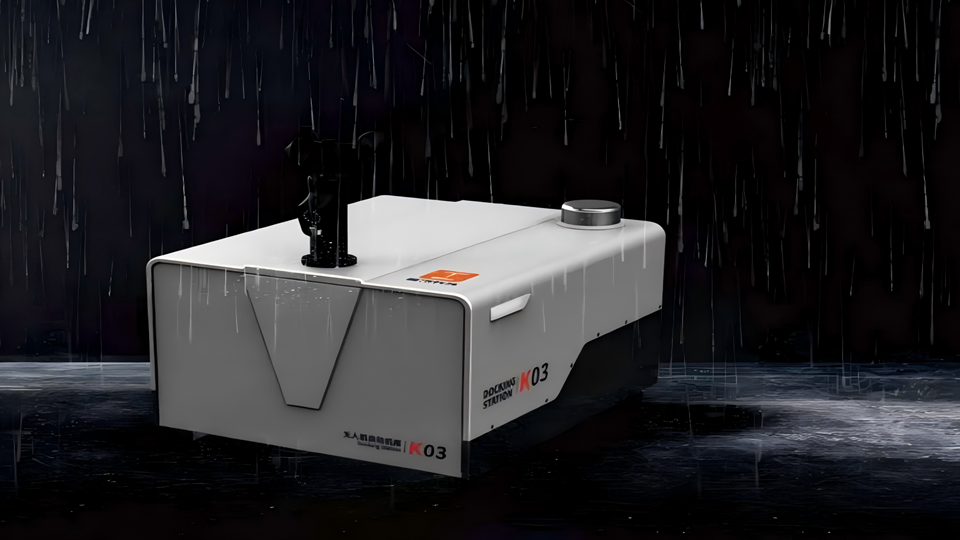
Autonomous Docking Stations
Smart docking stations enable automated battery swapping, payload reloading, and mission redeployment — creating fully unmanned logistics loops with zero operator intervention.
Proven Impact at Scale
Our autonomous UAV systems have delivered measurable results across agriculture, logistics, and industrial inspection deployments worldwide.
Deep-Dive Application Scenarios
Autonomous spraying UAVs are redefining operations across multiple high-value industries — from remote mountain farmlands to offshore industrial facilities and urban logistics corridors.
Precision Farmland Crop Spraying
Autonomous UAVs equipped with multispectral payloads and AI pest-detection achieve 98% diagnosis accuracy, apply pesticides variably to affected zones only, and cover 200+ mu per flight — cutting operating costs by 20–30% versus manual labor.
Last-Mile Remote Cargo Delivery
In mountainous, island, and flood-prone regions, autonomous cargo UAVs deliver medicines, food, spare parts, and agricultural inputs without roads or bridges — slashing delivery time from days to hours and cost by up to 80%.
Medical & Emergency Supply Logistics
Time-critical deliveries of blood, vaccines, antivenom, and emergency equipment to rural clinics or disaster zones are now possible within minutes using autonomous UAV relay networks and smart docking stations.
Power Grid & Industrial Inspection
Dual-spectrum sensors with millimeter-level positioning enable autonomous inspection of transmission lines, wind turbines, and oil pipelines — detecting defects with 99.7% accuracy and reducing inspection cost by 40%.
Forest Fire Prevention & Response
Autonomous UAV fleets monitor vast forest regions with thermal imaging, deliver fire-retardant payloads to ignition points, and provide real-time aerial situational awareness to ground crews — dramatically improving response time.
Smart City Mapping & Urban Logistics
LiDAR-equipped autonomous UAVs generate 0.05m resolution 3D urban models for digital twin programs, while coordinated delivery fleets use AI traffic management to serve dense urban areas with zero ground congestion.


About UUUFLY
We Turn Drones From Tools Into Infrastructure
We turn drones from tools into infrastructure, enabling the global low-altitude economy with engineering rigor and compliance.
UUUFLY builds repeatable, traceable and compliant UAV systems through integrated innovation across hardware, algorithms and data operations. We close the loop of Discover → Decide → Execute → Trace for power, agriculture and smart-city customers, delivering measurable aerial productivity at scale.
Core capabilities: dual-spectrum defect detection (power inspection), multispectral sensing & variable spraying (precision agriculture), 0.05-m 3D mapping (smart city), autonomous routes & fleet scheduling (scaled operations), and an end-to-end edge-to-cloud data pipeline (governance & compliance).

Core Business Capabilities
From autonomous spraying to cargo delivery, smart city mapping to platform-level operations — our integrated UAV ecosystem covers every dimension of the low-altitude economy.
Power & Industrial Inspection
With millimeter-level positioning and encrypted video links, combined with dual-spectrum defect detection and AI target recognition, defect discovery efficiency improves by about 40%. Autonomous patrols and emergency response remain reliable in complex environments. Fast-charge system: 80% in 30 minutes. In multiple grid pilots, defect detection reached 99.7%.
AI Detection99.7% AccuracyPrecision Agriculture
Multispectral payloads and AI analytics enable early diagnosis of pests and diseases (about 98% accuracy). Variable spraying reduces pesticide use by roughly 30%, while a 50Ah battery and corrosion-resistant tank allow a single flight to cover 200+ mu (≈16 acres). Farms typically see 20–30% lower operating costs.
98% Accuracy30% Less PesticideSmart City & Mapping
Combining LiDAR with oblique photogrammetry delivers 0.05-m 3D mapping, making modeling about 5× faster and reducing cost by 60%. With GDPR-compliant encrypted transmission and 5G for real-time cloud analytics, our data underpins urban planning and digital-twin programs, boosting planning efficiency by around 300%.
0.05m Precision5G ConnectedPlatform Operations
The platform provides autonomous routes, fleet scheduling, mission orchestration and an edge-to-cloud pipeline. Open APIs and message buses integrate seamlessly with enterprise systems to build a secure, observable low-altitude logistics network for cargo delivery and remote operations.
Fleet SchedulingOpen API
Why Choose UUUFLY
Evidence-based: 500k+ core components shipped, 300+ enterprise customers, deployments in 30+ cities with strong repurchase rates.
Engineering reliability: structure, EMC/EMI, link and data governance designed to industrial standards and stress-tested in the field.
Global support: 24/7 multilingual customer success (CN/EN/JP/RU/FR/ES/AR) across energy, agriculture, public safety and urban programs.
Compliance-first: hardware certified (CE/FCC/RoHS); links secured with AES-256; data sovereignty options for on-prem deployment.
Open & integrable: standardized payload interfaces and cloud APIs plug into existing dispatching and business systems to deliver capacity fast.
Proven Value & Compliance
Every UUUFLY autonomous UAV system is built to meet the highest international standards for safety, security, and regulatory compliance.
Certified Hardware
CE / FCC / RoHS certified across all core hardware platforms for global market compliance.
AES-256 Encryption
Military-grade AES-256 link security with enhanced anti-interference for mission-critical cargo delivery operations.
Data Sovereignty
On-prem + cloud deployment options ensure full data sovereignty for regulated regions and government programs.
Field Results
500k+ components, 300+ customers, 30+ cities — with consistent defect detection at 99.7% in live grid deployments.
Our Team
We combine aerospace engineering, embedded systems, computer vision and large-scale operations. We understand vehicles and payloads, and we understand the safety standards and compliance that keep missions trustworthy. Together with partners, we build an open, dependable and integrable platform for the low-altitude economy.
Grodon Guan
Former industrial UAV product lead; drives product architecture, standardization and ecosystem partnerships.
- Product Architecture
- Industry Solutions
- Ecosystem
Dr. Sara Li
Computer vision & autonomy specialist focusing on sensor fusion, target detection and mission decision systems.
- SLAM & Perception
- Dual/Multispectral
- Edge-Cloud
Ken Zhu
Drives localization and partner-led delivery across the Middle East, Pakistan, and Russia.
- Program Delivery
- Drone Training
- Customer Success
Alex
Aerospace & electrical engineer focusing on payload integration, EMC/EMI and reliability design.
- Structure & EE
- Sensor Integration
- Reliability
Dr. Lin Zhao
Leads model training and mission orchestration to optimize detection accuracy and decision strategies.
- Detection
- Mission Orchestration
- MLOps
Ivy Chen
Drives localization and partner-led delivery across LATAM & MENA.
- Vertical Solutions
- Localization
- Partner Network
Our Vision
To become the core infrastructure provider for the global low-altitude economy. We will keep integrating 5G, AI and hydrogen energy to drive standardized, intelligent and green aerial operations.
As autonomous spraying UAVs evolve from single-mission tools into fleet-scale infrastructure, UUUFLY is positioning itself at the intersection of hardware excellence, AI intelligence, and regulatory compliance — building the backbone of tomorrow's low-altitude logistics and agriculture networks across six continents.
Our roadmap includes deeper integration with satellite communication networks, hydrogen fuel cell endurance platforms, and autonomous docking station ecosystems — enabling fully unmanned, end-to-end cargo delivery loops from warehouse to doorstep in the most remote locations on earth.

Complete Autonomous UAV Product Line
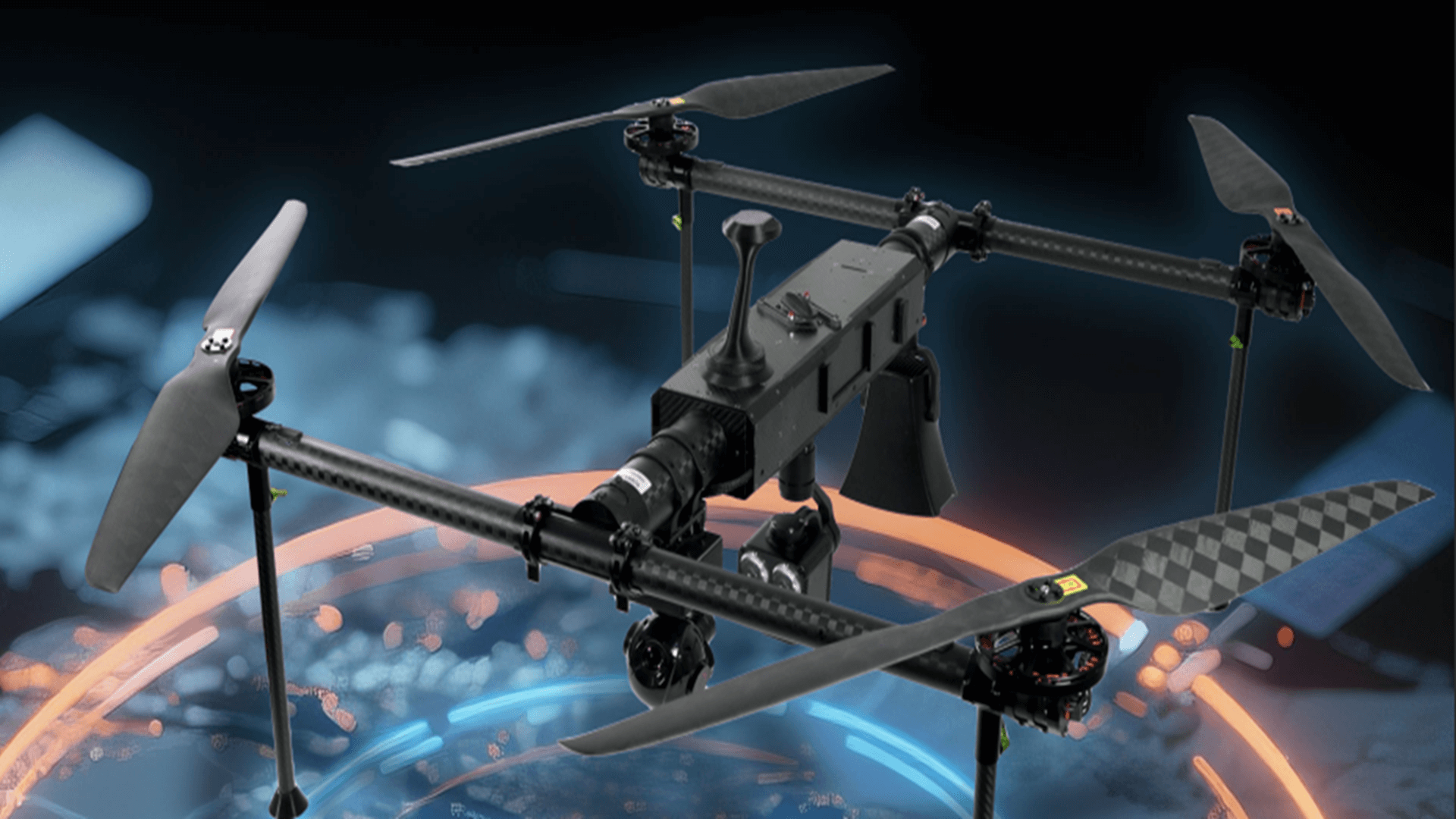
From agricultural spraying drones and cargo delivery platforms to autonomous docking stations and modular industrial UAVs — our full product ecosystem supports every stage of your low-altitude operations.