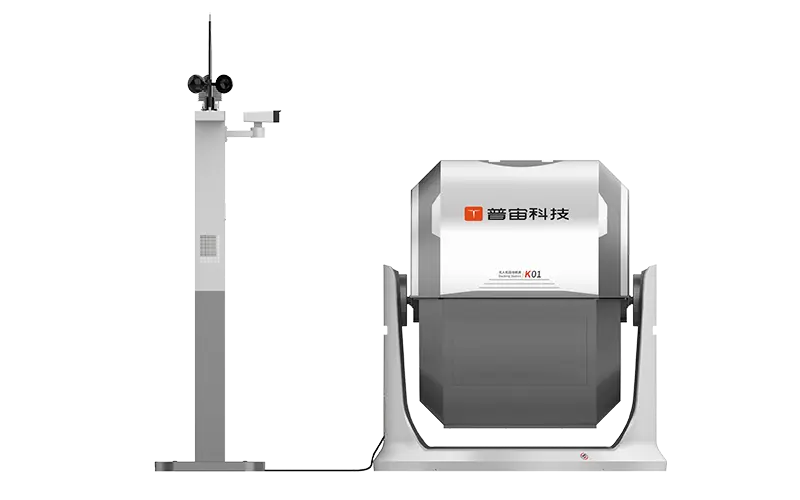
 GDU

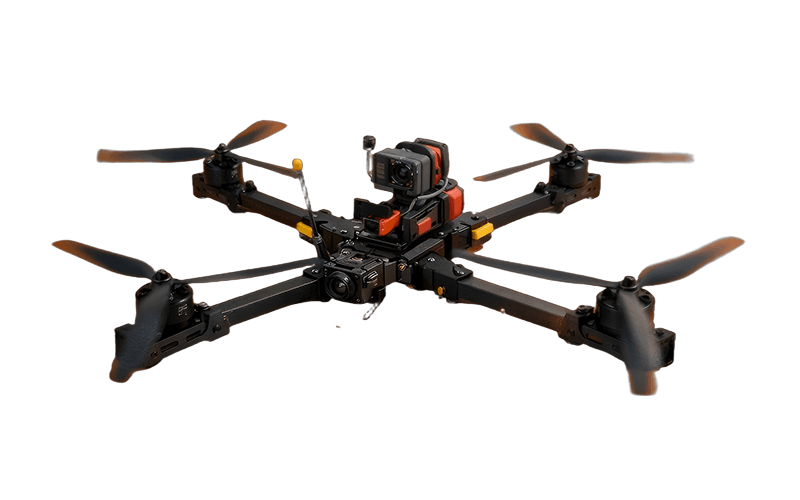 UUUFLY
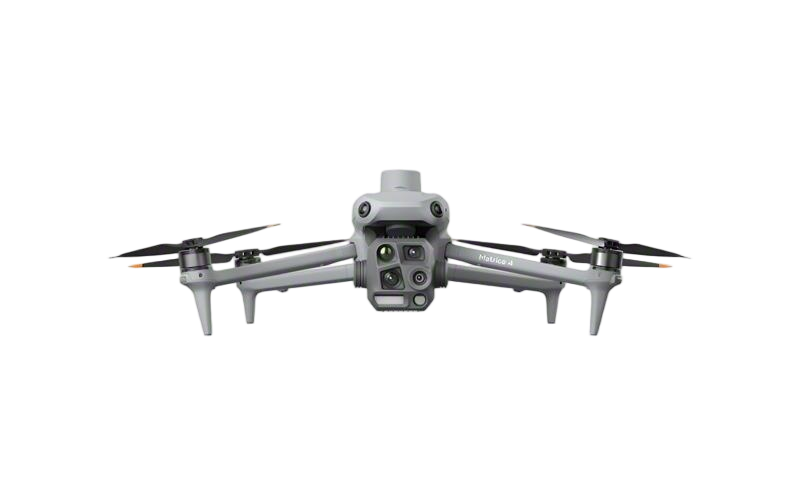 DJI
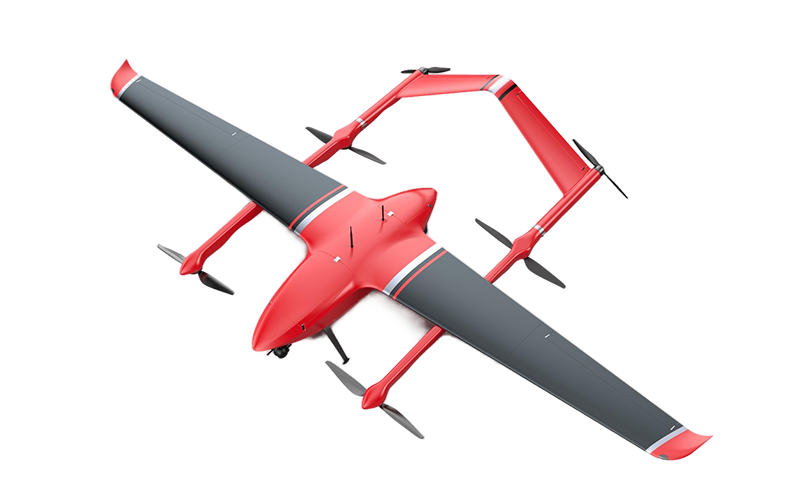 MMC
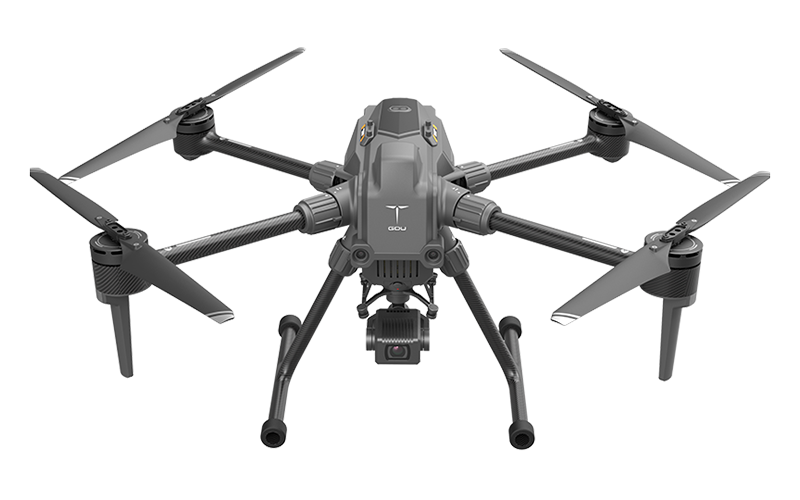 GDU
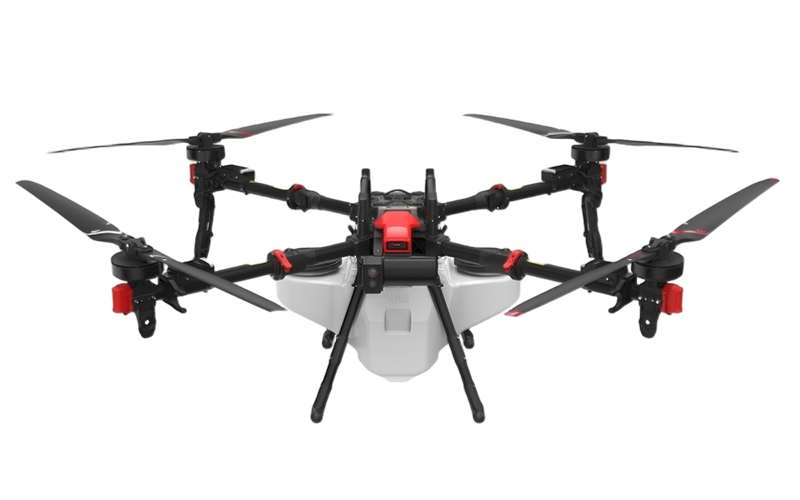 XAG
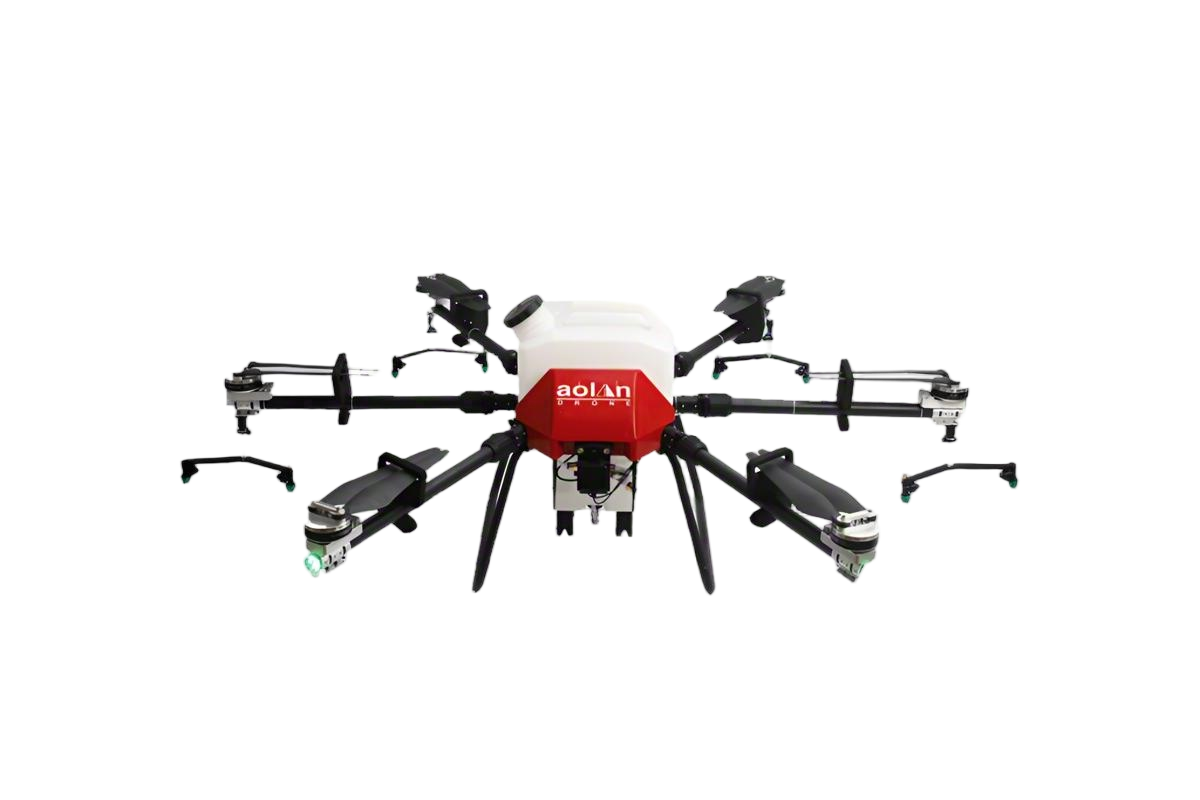 AOLAN
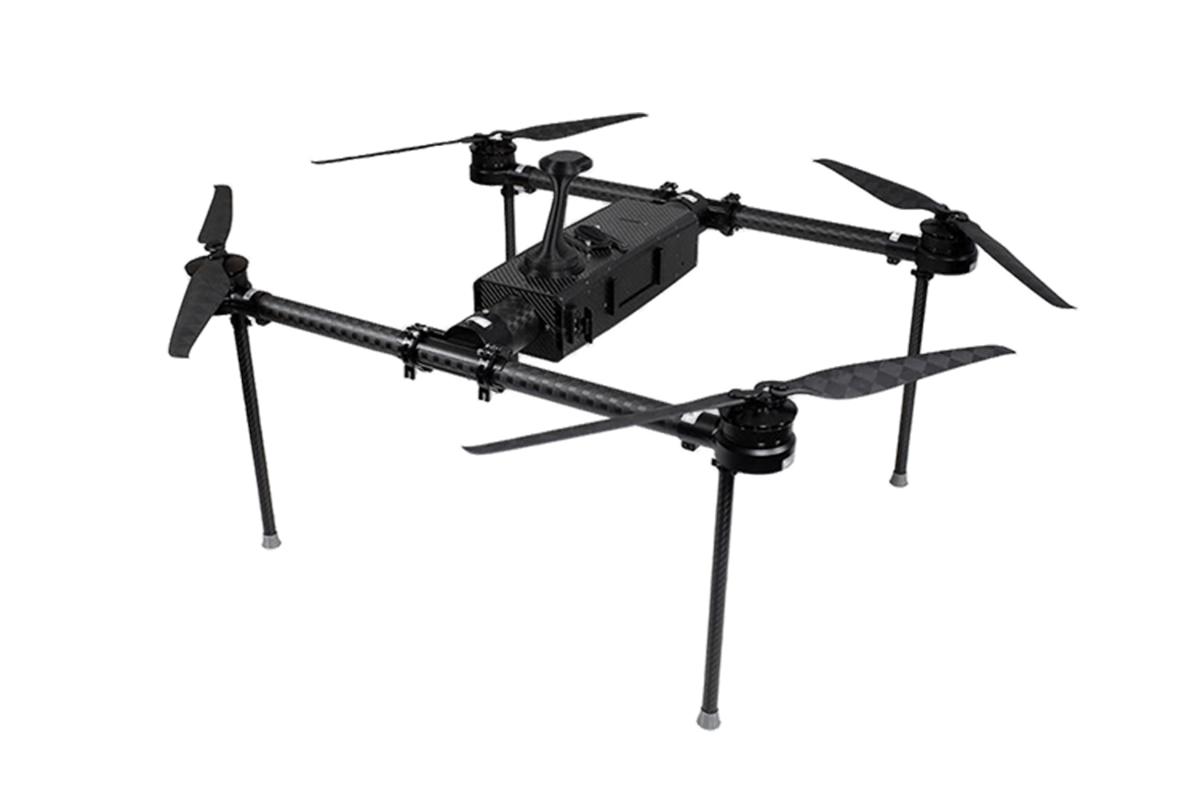 KEEL
 SKY NEXT
- DJI Matrice-4T
- DJI Matrice 4E Drone
- DJI Matrice 4TD
- DJI Matrice 30T
- DJI Mavic 3 Emterprise
- DJI Mavic 3M Multispectral Drone
- DJI RC 2 Plus Industry Plus
- DJI Matrice 4 Series Battery
- DJI Matrice 4D Series Batteries
- TB65 Intelligent Flight Battery
- TB100 Smart Flight Battery
- WB37 Battery
- DJI Accessories

Featured Agricultural Drone Solutions for Cargo & Logistics
Purpose-built UAV platforms engineered for heavy-lift cargo delivery, remote logistics operations, and autonomous agricultural supply missions.
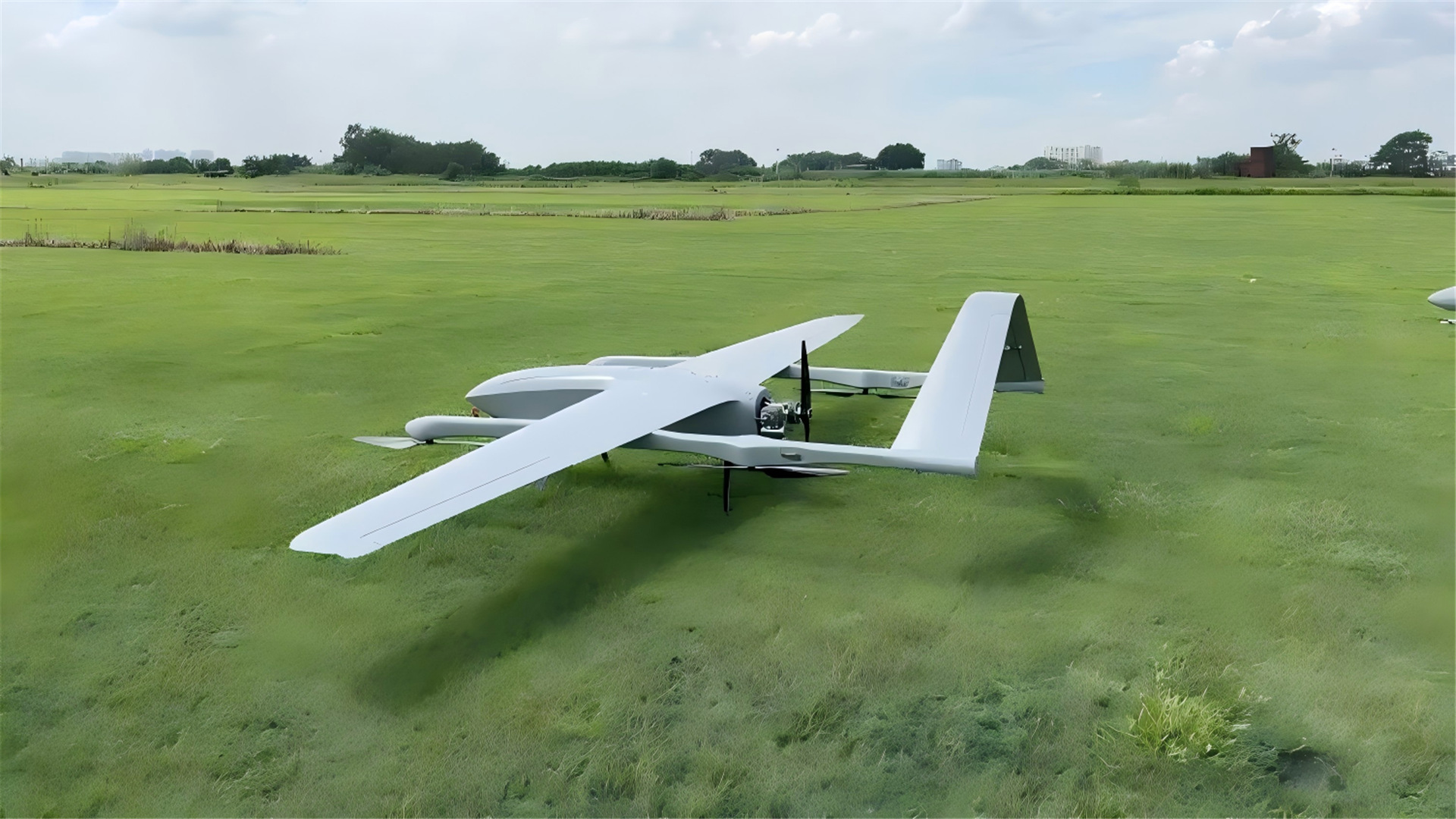
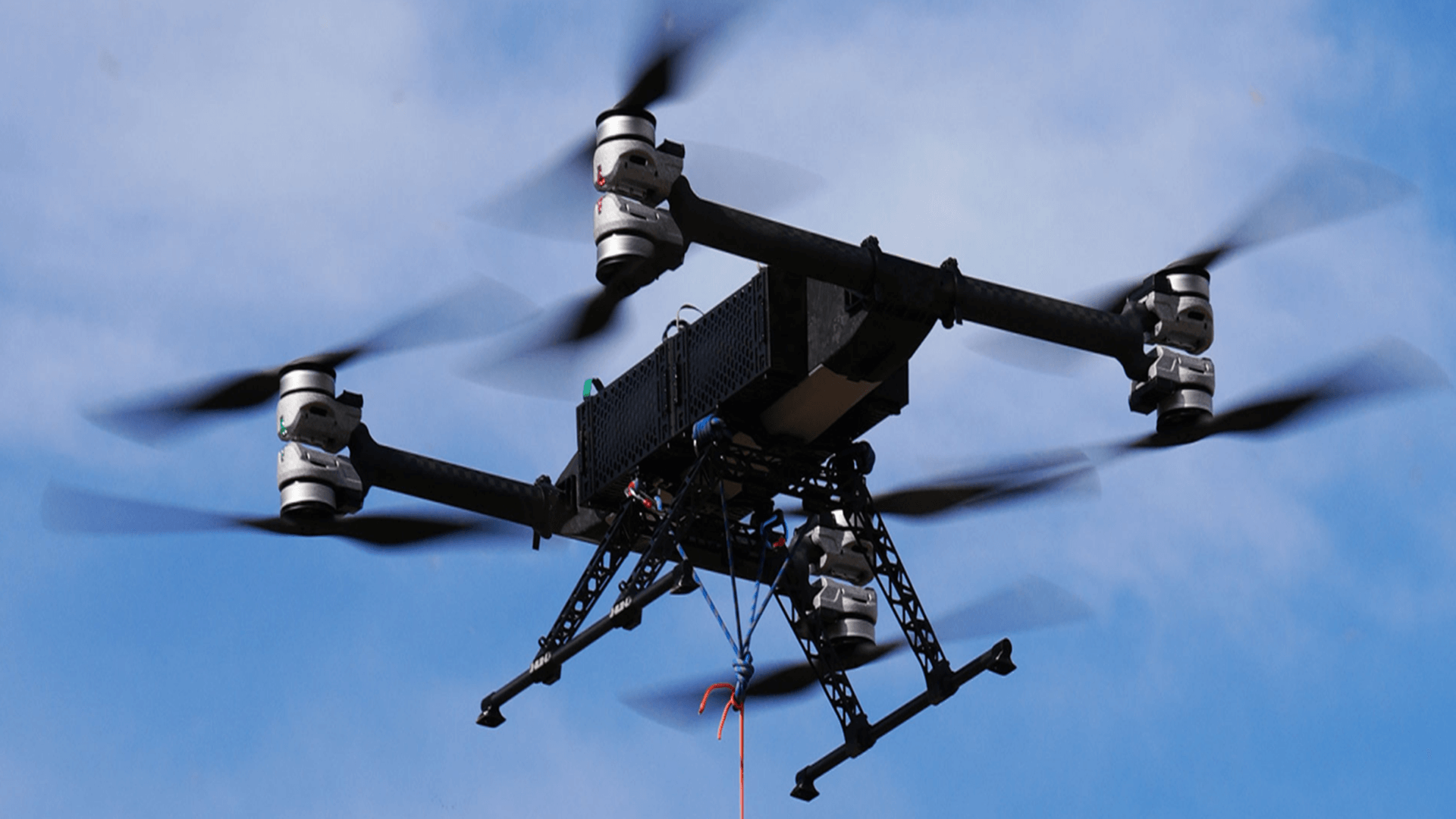
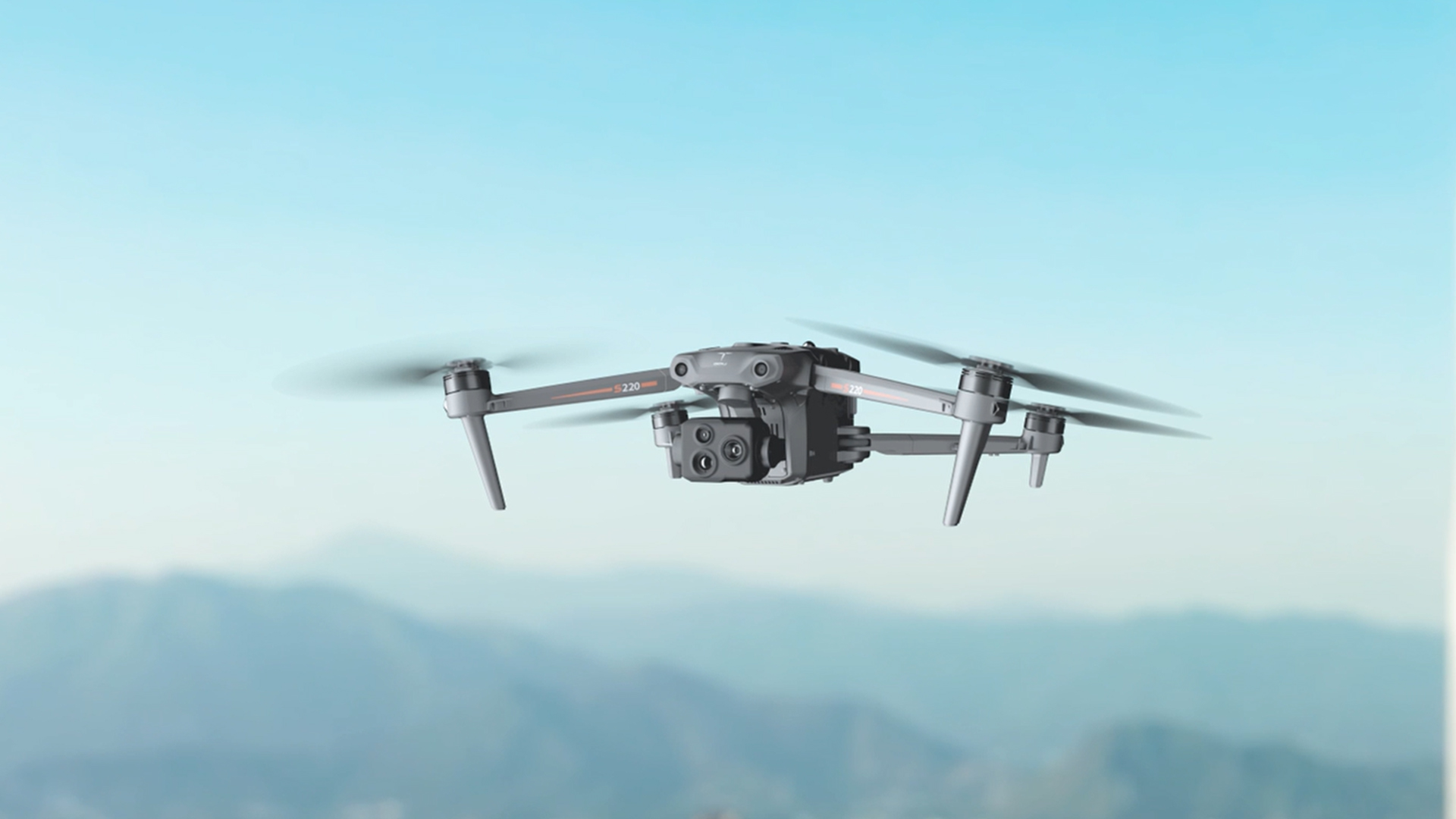
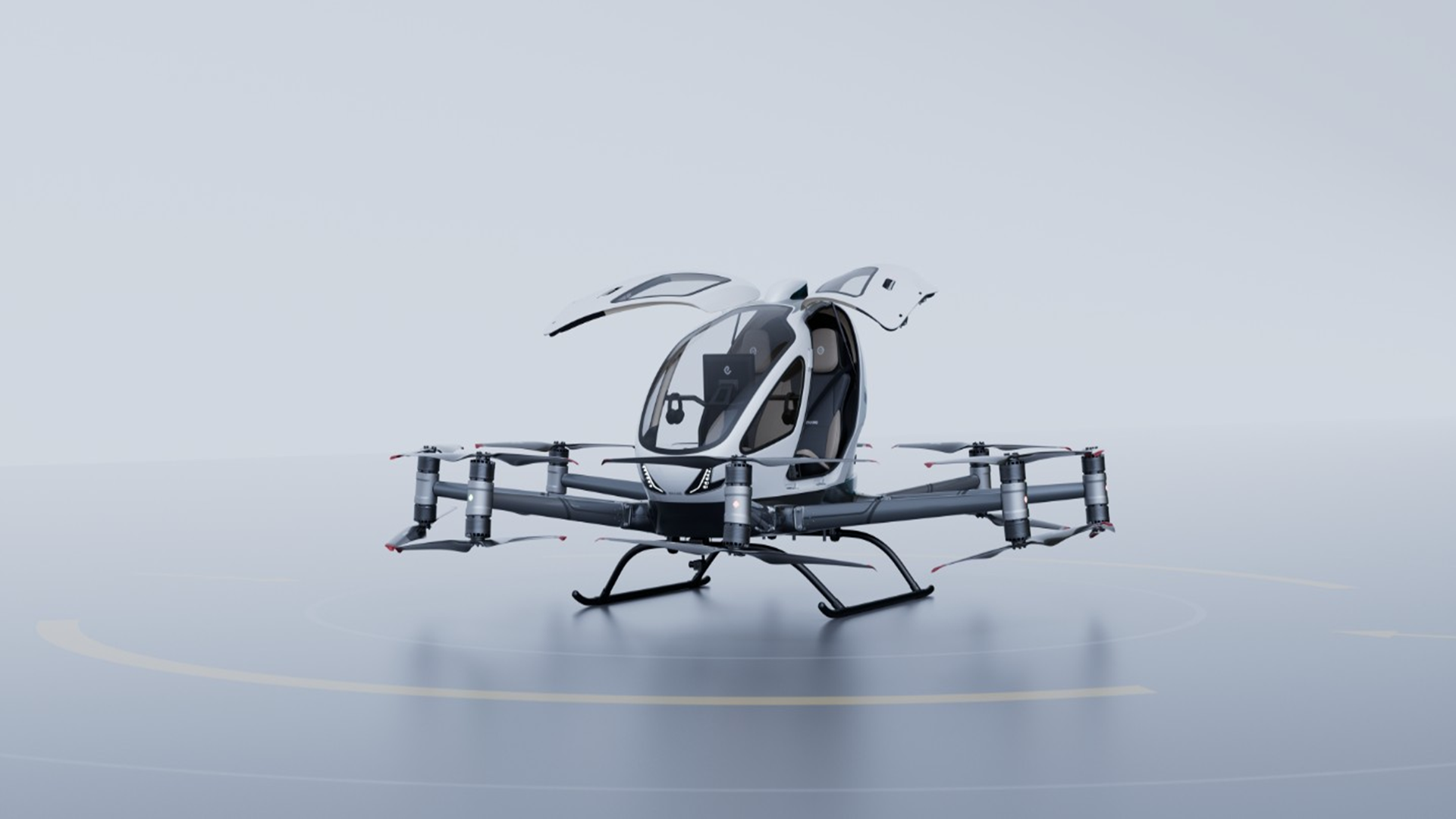
The Rise of Agricultural Drones in Cargo Delivery & Remote Logistics
From farm to fork — how UAV technology is transforming the last-mile supply chain in agriculture.
The global agricultural drone market is projected to exceed $10 billion USD by 2030, with cargo delivery and remote logistics emerging as the fastest-growing segment. UAVs are no longer just crop-sprayers — they are becoming the backbone of rural supply chains.
Agricultural regions around the world face a persistent challenge: the last mile. Whether it's delivering seeds, fertilizers, medical supplies, or harvested produce to and from remote farmlands, traditional ground logistics is slow, expensive, and often impossible during adverse weather or in geographically isolated areas. Agricultural drones purpose-built for cargo delivery are fundamentally changing this equation.
Unlike consumer drones, commercial agricultural cargo UAVs are engineered for reliability under harsh field conditions. They carry payloads ranging from 5 kg to over 50 kg, navigate autonomously through pre-programmed routes, and return to base for rapid reloading — enabling continuous logistics loops across vast agricultural territories without human intervention at each waypoint.
Market Status: Commercial & Industrial Landscape
As of 2024, the deployment of agricultural cargo drones has accelerated dramatically across Asia, Africa, South America, and emerging markets in the Middle East. China leads global adoption, with over 100,000 agricultural UAVs actively operating, many now equipped with cargo delivery modules. Africa and Southeast Asia have seen explosive growth in medical and agricultural supply drops, particularly in regions where road infrastructure is underdeveloped or seasonal floods cut off communities entirely.
Key commercial drivers include:
- E-commerce expansion into rural markets — global platforms are integrating drone delivery networks to reach previously inaccessible consumers.
- Precision agriculture supply chains — just-in-time delivery of agrochemicals and biological inputs directly to field operators reduces waste and boosts efficiency.
- Emergency logistics — drones provide rapid-response capability for delivering vaccines, blood products, and emergency rations to cut-off communities.
- Cold-chain agriculture — temperature-sensitive produce such as berries, seafood, and pharmaceutical crops are now being transported via specialized UAV cargo pods with active cooling.
Major players including DJI, Zipline, Matternet, and emerging manufacturers like UUUFLY and Viscolift are competing in an increasingly sophisticated market where payload capacity, autonomy level, regulatory compliance, and total cost of ownership define competitive advantage.
Development Trends Shaping Agricultural Drone Logistics
Six key technology and business trends accelerating the adoption of UAV cargo delivery in agriculture.
Full Autonomy & AI Navigation
Next-generation agricultural cargo drones leverage onboard AI for real-time obstacle avoidance, dynamic rerouting, and swarm coordination — enabling fully autonomous beyond-visual-line-of-sight (BVLOS) operations across thousands of hectares.
Hydrogen & High-Density Power
Battery constraints have historically limited drone cargo range. Emerging hydrogen fuel cell systems now extend single-flight range to 200+ km, while fast-charge battery technology (80% in 30 minutes) supports high-frequency hub-and-spoke delivery networks.
5G & Edge-Cloud Integration
5G connectivity enables real-time telemetry, remote operator supervision, and live cargo tracking — transforming individual drone flights into managed logistics events within enterprise supply chain platforms.
Modular Payload Architecture
Modular cargo bays allow operators to quickly swap between dry-goods containers, temperature-controlled pods, liquid fertilizer tanks, and sensor packages — maximizing platform utilization across diverse agricultural logistics missions.
Regulatory Compliance & Certification
CE, FCC, and RoHS certification, combined with AES-256 encrypted data links and GDPR-compliant data handling, are becoming baseline requirements for enterprise and government agricultural drone contracts globally.
Low-Altitude Economy Infrastructure
Governments are legislating low-altitude airspace corridors for drone logistics, creating dedicated UAV highways over agricultural zones that enable scheduled, predictable cargo delivery routes similar to road freight networks.
Deep-Dive Application Scenarios
How agricultural cargo drones are deployed in real-world logistics and supply chain environments.
Seed & Agrochemical Distribution to Remote Plots
In regions where roads are seasonal or absent, heavy-lift cargo drones deliver precise quantities of seeds, fertilizers, and crop protection chemicals directly to GPS-mapped field drop zones. Variable payload release systems enable precise spot-delivery, reducing input waste by up to 30% compared to bulk ground delivery.
Medical & Emergency Supply Drops to Agricultural Communities
Rural farming communities often lack reliable healthcare access. Agricultural cargo drones now serve as first-responder logistics platforms, delivering vaccines, blood products, anti-venoms, and emergency medications to remote villages — with Zipline-style fixed-wing UAVs achieving delivery times of under 30 minutes over 80 km radii.
Fresh Produce & Cold-Chain Harvest Export
High-value perishables including fresh herbs, berries, cut flowers, and premium seafood are time-critical cargo. Temperature-controlled UAV cargo pods maintain 2–8°C throughout the flight, enabling small-lot premium produce to reach regional distribution hubs within hours of harvest — bypassing slow road networks entirely.
Field Equipment Parts & Maintenance Logistics
Agricultural machinery breakdowns during critical planting or harvest windows cause significant economic losses. Drone-based parts delivery networks enable same-day delivery of replacement components — bearings, sensors, filters, and control modules — directly to stranded equipment in the field, minimizing costly downtime.
Irrigation & Water Management Supply Chains
Drip-tape rolls, irrigation fittings, and water treatment chemicals are heavy, bulky, and expensive to transport by ground in mountainous or floodplain agricultural zones. VTOL cargo drones with 20–50 kg payloads are transforming irrigation infrastructure supply logistics in terraced farming regions across Southeast Asia and the Andes.
Pollination Support & Biosecurity Logistics
Specialized drone cargo missions now support managed pollination programs by delivering hive boxes and pollen concentrates to isolated orchards. Additionally, biosecurity agencies deploy cargo drones to transport diagnostic samples from disease-outbreak zones to laboratories — containing contamination spread while accelerating response times.
Industries We Serve
Our core business covers power/industrial inspection, precision agriculture, smart city mapping, and platform operations, using advanced tech to boost efficiency, cut costs, and ensure reliability.


About UUUFLY
We turn drones from tools into infrastructure, enabling the global low-altitude economy with engineering rigor and compliance.
UUUFLY builds repeatable, traceable and compliant UAV systems through integrated innovation across hardware, algorithms and data operations. We close the loop of Discover → Decide → Execute → Trace for power, agriculture and smart-city customers, delivering measurable aerial productivity at scale.
Core capabilities: dual-spectrum defect detection (power inspection), multispectral sensing & variable spraying (precision agriculture), 0.05-m 3D mapping (smart city), autonomous routes & fleet scheduling (scaled operations), and an end-to-end edge-to-cloud data pipeline (governance & compliance).

Core Business
Delivering measurable aerial productivity across four key verticals.
⚡ Power & Industrial Inspection
With millimeter-level positioning and encrypted video links, combined with dual-spectrum defect detection and AI target recognition, defect discovery efficiency improves by about 40%. Autonomous patrols and emergency response remain reliable in complex environments. The fast-charge system is compatible with mainstream fleets (80% in 30 minutes), and carbon-fiber propellers with IP67 motors cover most models. In multiple grid pilots, defect detection reached 99.7%.
🌾 Precision Agriculture
Multispectral payloads and AI analytics enable early diagnosis of pests and diseases (about 98% accuracy). Variable spraying reduces pesticide use by roughly 30%, while a 50Ah battery and corrosion-resistant tank allow a single flight to cover 200+ mu (≈16 acres). At scale, farms typically see 20–30% lower operating costs.
🏙️ Smart City & Mapping
Combining LiDAR with oblique photogrammetry delivers 0.05-m 3D mapping, making modeling about 5× faster and reducing cost by 60%. With GDPR-compliant encrypted transmission and 5G for real-time cloud analytics, our data underpins urban planning and digital-twin programs, boosting planning efficiency by around 300% in typical projects.
🖥️ Platform Operations
The platform provides autonomous routes, fleet scheduling, mission orchestration and an edge-to-cloud pipeline. Open APIs and message buses integrate seamlessly with enterprise systems to build a secure, observable low-altitude network.

Why Choose UUUFLY
- Evidence-based: 500k+ core components shipped, 300+ enterprise customers, deployments in 30+ cities with strong repurchase rates.
- Engineering reliability: structure, EMC/EMI, link and data governance designed to industrial standards and stress-tested in the field.
- Global support: 24/7 multilingual customer success (CN/EN/JP/RU/FR/ES/AR) across energy, agriculture, public safety and urban programs.
- Compliance-first: hardware certified (CE/FCC/RoHS); links secured with AES-256; data sovereignty options for on-prem deployment.
- Open & integrable: standardized payload interfaces and cloud APIs plug into existing dispatching and business systems to deliver capacity fast.
Proven Value & Compliance
Real-world results backed by certified hardware, secure data links, and sovereign deployment options.
Field results: 500k+ components shipped, 300+ enterprise customers, active deployments in 30+ cities worldwide.
Hardware certified: CE / FCC / RoHS — meeting international standards for commercial agricultural UAV deployment.
Link security: AES-256 encryption with enhanced anti-interference for mission-critical agricultural cargo operations.
Data sovereignty: on-premises and cloud deployment options for regulated agricultural and government regions.
Our Team
We combine aerospace engineering, embedded systems, computer vision and large-scale operations. We understand vehicles and payloads, and we understand the safety standards and compliance that keep missions trustworthy. Together with partners, we build an open, dependable and integrable platform for the low-altitude economy.
Grodon Guan
Former industrial UAV product lead; drives product architecture, standardization and ecosystem partnerships.
Dr. Sara Li
Computer vision & autonomy specialist focusing on sensor fusion, target detection and mission decision systems.
Ken Zhu
Drives localization and partner-led delivery across the Middle East, Pakistan, and Russia.
Alex
Aerospace & electrical engineer focusing on payload integration, EMC/EMI and reliability design.
Dr. Lin Zhao
Leads model training and mission orchestration to optimize detection accuracy and decision strategies.
Ivy Chen
Drives localization and partner-led delivery across LATAM & MENA.
Our Vision
To become the core infrastructure provider for the global low-altitude economy. We will keep integrating 5G, AI and hydrogen energy to drive standardized, intelligent and green aerial operations — making agricultural cargo delivery and remote logistics as reliable and efficient as conventional road freight networks, anywhere on Earth.

Complete Agricultural Drone Fleet for Cargo & Remote Logistics
Explore our full range of UAV platforms engineered for agricultural delivery, field logistics, and autonomous cargo operations across any terrain.