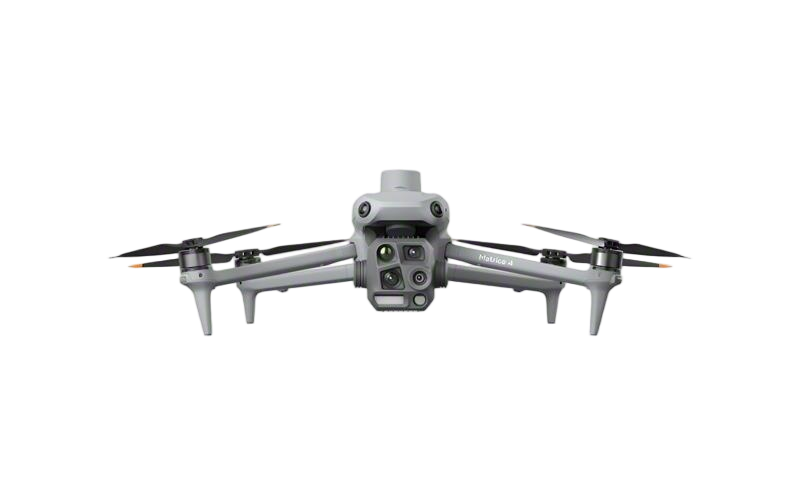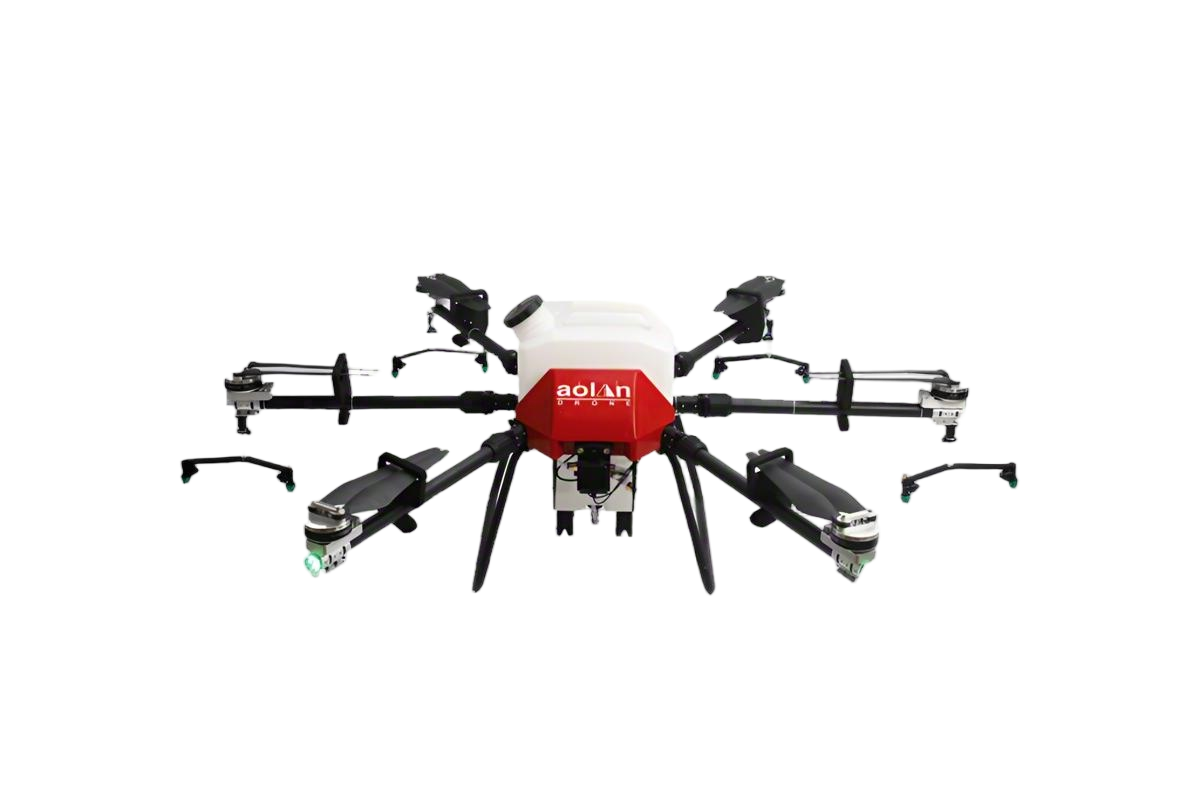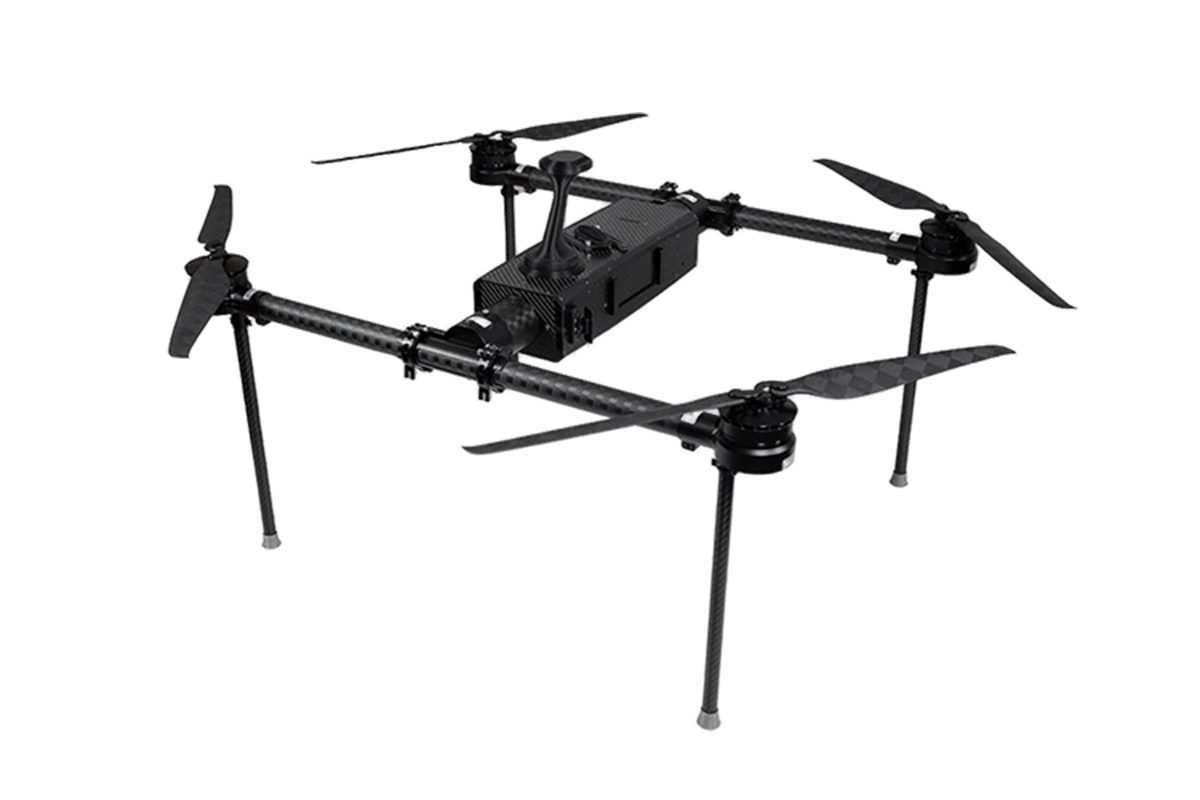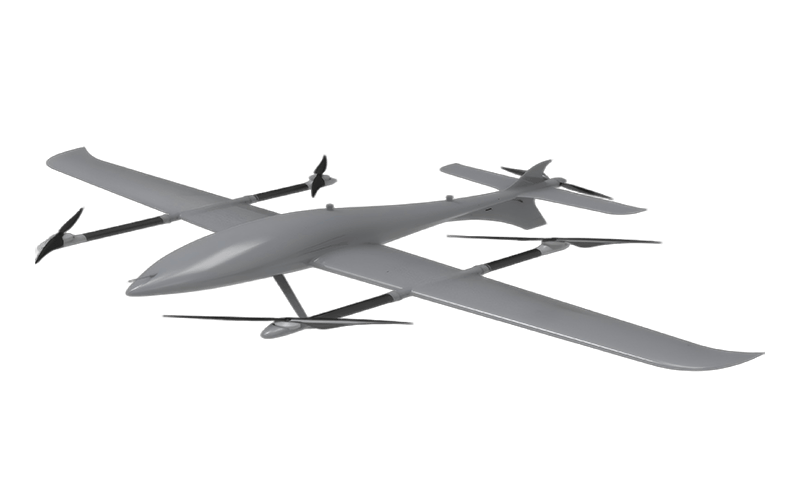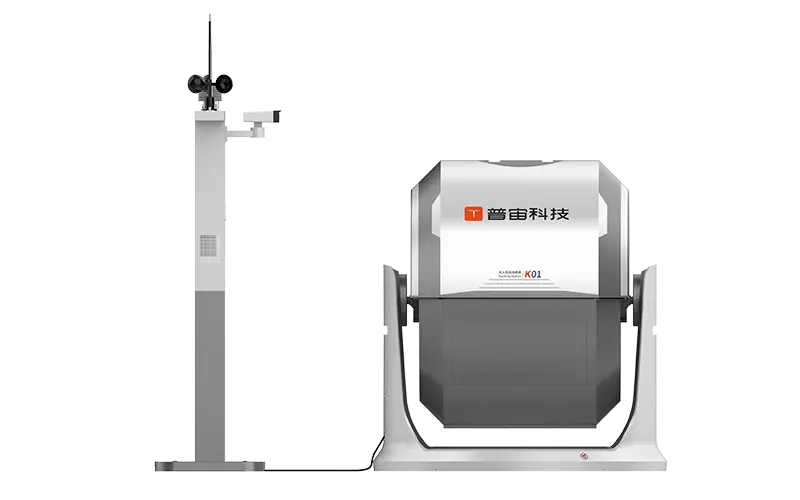
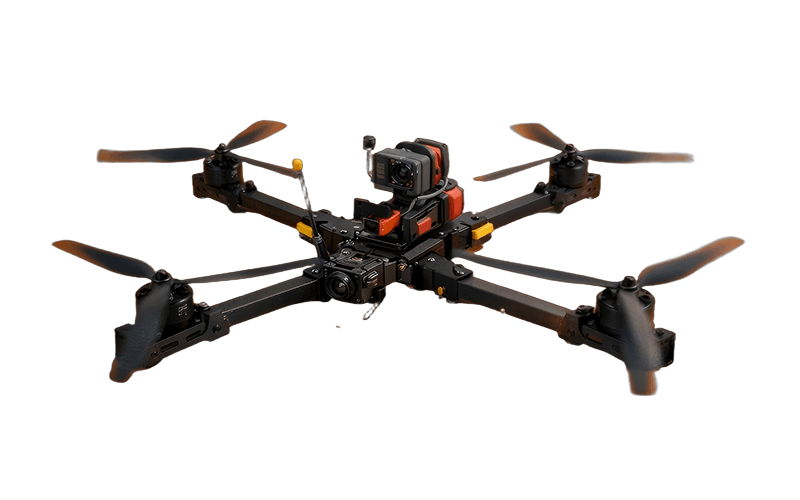
Lately, it feels like everyone’s talking about how agricultural drones—or UAVs—are really taking off. They’re quickly becoming must-have gadgets for precision farming, and honestly, it’s kind of exciting. According to a report from MarketsandMarkets, the market for these farming drones is expected to hit around $6.5 billion by 2025. That’s a huge jump, and it just shows how important it is to pick the right drone for your specific farming needs.
So, if you're trying to choose the best agricultural UAV, there are a few things you should keep in mind—like how much payload it can carry, how long it can stay in the air, and whether its sensors match what you need. Different drones shine in different areas. For example, a lightweight drone might work perfectly on a small farm, but big farms might need something with more lifting power to cover lots of ground. Interestingly, recent studies suggest that farmers can boost their crop yields by up to 15% just by using the right drone tech, so making an informed choice really pays off.
That said, with so many options out there, it can get pretty overwhelming. A lot of folks find it tricky to figure out what each drone can actually do. Not all UAVs are equally reliable either, and some might not play nice with the tech you already have in place. So, it’s really about balancing practicality with features—making sure you pick a drone that fits your farm’s unique setup rather than just chasing the fanciest model out there.
Precision farming represents a significant shift in agricultural practices. This method uses technology to enhance productivity and sustainability. Farming becomes data-driven. UAVs, or drones, play a crucial role in this transformation. They provide real-time data that helps farmers make informed decisions. High-resolution images and sensor data enable better monitoring of crops.
Farmers can detect issues early. UAVs can identify pest infestations or nutrient deficiencies. This early intervention can save crops and resources. Drones also assist in planning irrigation and fertilization. Their aerial view reveals variations in field health and soil moisture. A user-friendly UAV can enhance field analysis, delivering precise measurements efficiently.
Despite the advantages, challenges exist. Not all UAVs have the required capabilities. Farmers must assess their specific needs. Not every drone is suitable for every type of crop. Training and knowledge are vital for effective UAV use. A lack of expertise can lead to underutilization or misuse of technology. Making informed decisions minimizes these pitfalls.
When selecting an agriculture UAV, consider essential features like camera quality, battery life, and payload capacity. High-resolution cameras capture detailed images of crops. This clarity enables farmers to identify issues promptly. Drones with multi-spectral imaging can assess plant health more effectively. Look for UAVs with adjustable cameras for flexibility in viewing angles.
Battery life is another critical factor. Shorter flight durations limit your coverage. Opt for models with long-lasting batteries to make the most of your time. This ensures you can survey larger areas without constant recharging. It’s a common error to overlook battery capabilities, leading to inefficiencies.
Payload capacity matters, too. Drones should carry necessary sensors and equipment, such as sprayers or extra batteries. A lightweight design might often compromise durability. Ensure your pilot skills align with the UAV's complexity. Operating an advanced drone can be challenging. Take time to learn the system to maximize its potential. Each feature plays a role in precision farming success.
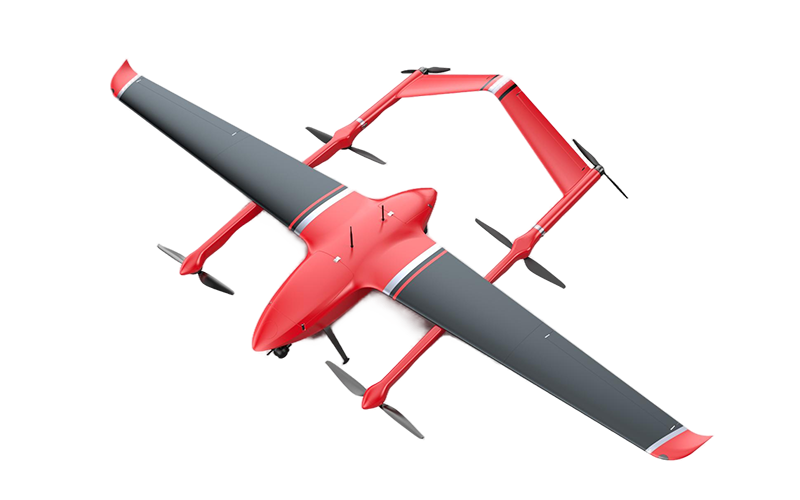
In precision farming, selecting the right Agriculture UAV is crucial. There are various types available, each tailored for specific applications. Fixed-wing UAVs excel in mapping large agricultural fields. Their long flight time and ability to cover vast areas make them ideal for crop health monitoring and field analysis. Research shows that these UAVs can increase crop yield by up to 20% by providing timely and accurate data.
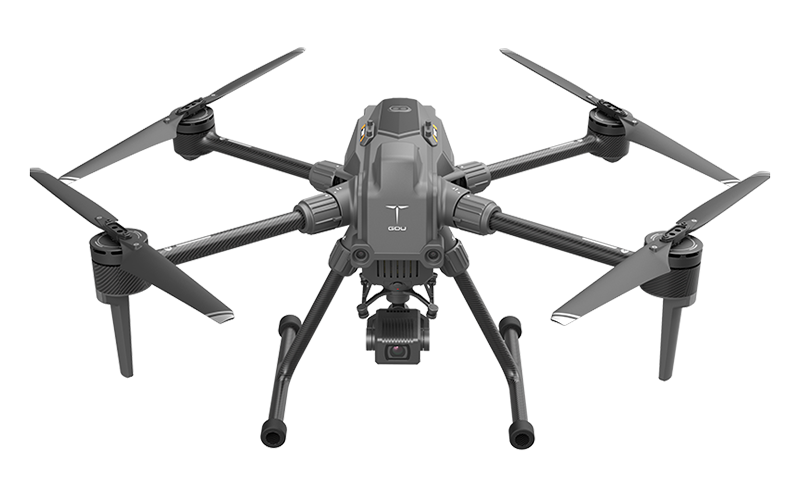
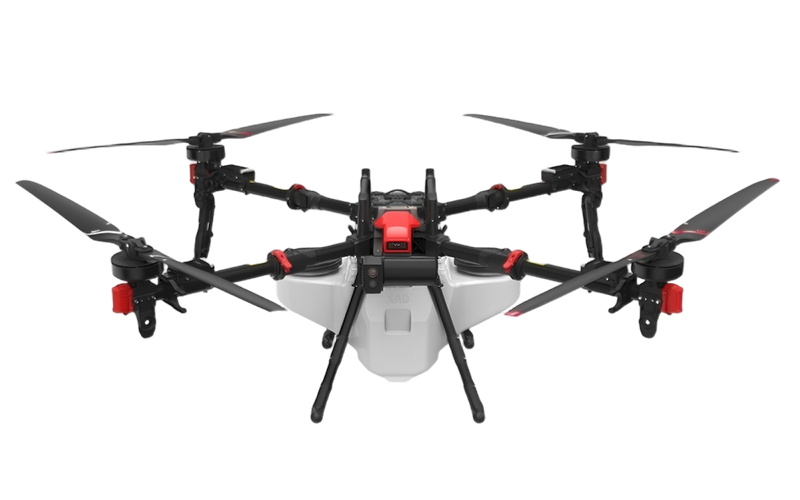
Multirotor UAVs, on the other hand, are more versatile. They are suitable for smaller farms or specific tasks like pesticide spraying. Their ability to hover allows for detailed data collection, enhancing job precision. According to data from the Drone Industry Association, the adoption of UAVs in agriculture has increased by 70% in the past few years.
Both types offer unique benefits but come with challenges. Battery life and payload capacity are critical areas for improvement. UAVs may struggle in adverse weather conditions, limiting their effectiveness. As the industry evolves, farmers must reflect on their specific needs and choose the UAV that best supports their operations.
When selecting the best agriculture UAV for precision farming, flight time and coverage area are critical factors. A UAV’s flight time directly impacts how much land can be surveyed in one outing. For large fields, 20 to 30 minutes may be insufficient. This can lead to incomplete data collection or the need to recharge batteries frequently. It is essential to assess whether a UAV can handle the specific size of your farm efficiently.
Coverage area is equally significant. A UAV might have a wide coverage area, but if it is an unstable flight, the data quality could suffer. Many models provide coverage metrics, but these can be misleading. Real-world conditions, like wind and terrain, often reduce effective coverage. Look for UAVs that can adjust their flight paths dynamically to optimize coverage.
Consider your specific farming needs and how often you will deploy the UAV. Continuous monitoring often requires longer flight durations. Reflect on the potential for needing multiple flights during busy seasons. Balancing these elements can lead to a more effective UAV investment for your farming operations. The perfect UAV might not exist, but understanding these nuances helps in making an informed choice.
When considering agriculture UAVs, understanding the cost versus benefits is crucial. Drones can significantly enhance precision farming. They provide precise data, potentially leading to higher yields. However, this comes at a price.
Initial investment and ongoing maintenance costs can be substantial.
Farmers must assess if UAVs are worth the expense. Analyzing the return on investment is essential. In some cases, UAVs may not deliver enough value.
Consider the specific needs of your farm. Local conditions play a role in effectiveness.
Implementing drone technology may require training, which adds to costs.
Evaluating the advantages of UAVs can reveal insights. They can monitor crop health, irrigation levels, and more. Yet, the benefits may not justify the costs for smaller farms. Some farmers experience challenges with data interpretation. It’s vital to weigh both sides carefully. The right decision depends on balancing potential gains with financial realities.
The integration of UAV data with farm management software is transforming agriculture. Precision farming relies on accurate data to make informed decisions. The use of drones has grown exponentially. According to a recent report, the agricultural UAV market is expected to reach $2.5 billion by 2026, driven by increasing needs for efficiency.
Farmers can collect real-time data using UAVs. This data includes crop health, soil conditions, and moisture levels. When integrated with farm management software, it creates a comprehensive view of the farm’s status. This synergy allows farmers to pinpoint areas that need attention. They can respond quickly, applying fertilizers or irrigation where required. However, challenges remain. Not all software can seamlessly integrate UAV data. This results in gaps that can hinder decision-making.
Data accuracy is crucial. If the UAVs collect faulty information, it leads to poor management strategies. Regular calibration and maintenance of the UAV are important. Farmers must invest time in understanding both the technology and the software. As integration technology advances, the potential for improved yields and reduced waste increases significantly. Balancing technology with practical farming experience will yield the best results.
| UAV Model | Max Flight Time (minutes) | Payload Capacity (kg) | Camera Resolution (MP) | Integration with Software |
|---|---|---|---|---|
| UAV A | 30 | 5 | 20 | Yes |
| UAV B | 25 | 6 | 12 | No |
| UAV C | 35 | 8 | 24 | Yes |
| UAV D | 40 | 10 | 30 | Yes |
Using UAVs in agriculture brings several regulatory challenges. Each region has specific rules governing drone usage. In the United States, the Federal Aviation Administration (FAA) mandates that commercial UAV operators obtain a remote pilot certificate. This is essential for ensuring safety and compliance with airspace regulations.
The European Union has its own set of regulations under the EASA (European Union Aviation Safety Agency). As of January 2023, all UAV operators in Europe must register their drones and complete essential training. These regulations aim to standardize operations and enhance safety. Without compliance, farmers could face heavy fines or restrictions on their farming practices.
Tips: Always check local regulations before purchasing a UAV. Documentation is vital. Maintain operational logs to track flights and compliance. Many farmers overlook this, which can lead to serious repercussions.
Data shows that UAVs can yield increased crop productivity by 20-30%. However, relying solely on UAV technology without proper knowledge and adherence to regulations can hinder a farm's progress. Farmers are encouraged to consult UAV specialists before investing. While UAVs promise efficiency, understanding the legal landscape is crucial for informed decisions.
V for farming?
Flight times of 20 to 30 minutes may be insufficient for large areas, leading to incomplete data.
A wide coverage area is helpful, but unstable flights can affect data quality significantly.
Metrics can be misleading. Real-world conditions often reduce effective coverage, affecting performance.
UAVs collect real-time data on crop health and soil conditions, enhancing decision-making.
Not all software integrates well, leading to data gaps that can harm management strategies.
Inaccurate data can lead to poor management decisions, negatively impacting farming results.
Regular calibration and maintenance are vital for ensuring data accuracy and reliable performance.
Invest time in understanding both UAV technology and farm practices for better outcomes.
The perfect UAV may not exist. Understanding needs and limitations is essential for making informed choices.
The article explores the essential considerations for selecting the best Agriculture UAV for precision farming. It begins by defining precision farming and elucidates how UAVs play a crucial role in enhancing agricultural efficiency and productivity. Key features to evaluate when choosing an Agriculture UAV include payload capacity, sensor types, and ease of use. The article categorizes various types of Agriculture UAVs, detailing their specific applications such as crop monitoring, soil analysis, and irrigation management.
Additionally, it highlights the importance of assessing each UAV's flight time and coverage area to meet specific farming needs, as well as weighing the costs against the benefits of implementing these technologies. The integration of UAV data with farm management software further enhances decision-making capabilities, while understanding regulatory considerations is vital for compliant and responsible UAV usage in agriculture. Overall, the insights provided serve as a comprehensive guide for farmers looking to leverage Agriculture UAV technology effectively.