0%

Figuring out which Industrial UAV is the right fit for your business can actually be more tricky than you might think. These versatile gadgets are making a big splash across all kinds of industries — from farming to construction. As tech keeps advancing, it’s super important to pick a UAV that’s really tailored to what you actually need.

When you're looking at Industrial UAVs, a good starting point is to think about your specific operational needs. Do you need a drone with a super long battery life? Or maybe something that offers top-notch imaging? Every business has its unique challenges. Like, a surveying firm might really care about high-res cameras, while a delivery company might focus more on how much payload it can carry.

Honestly, a lot of companies get stuck trying to figure out what specs match their projects. And if you don’t do your homework, you might end up underusing your drone or overspending, which is never ideal. It’s all about finding that sweet spot between cost and what the drone can actually do. Checking out case studies or talking to others who have been through it can help a ton. It’s all about learning from others’ experiences. Spending a bit of time researching will definitely pay off in making smarter choices.

Bottom line? Your pick of Industrial UAVs should help you work smarter, boost your efficiency, and really line up with your specific goals. Take the time to choose wisely — it can make all the difference.

How to Choose the Right Industrial UAVs for Your Business?

Understanding Industrial UAV Types and Their Applications

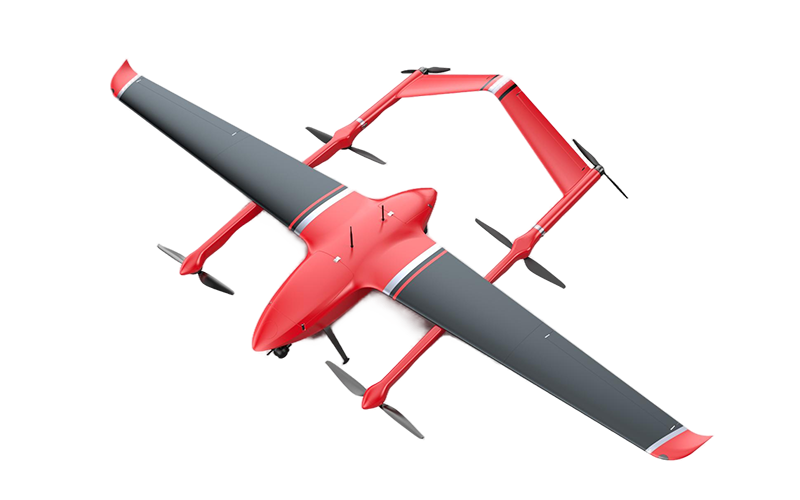
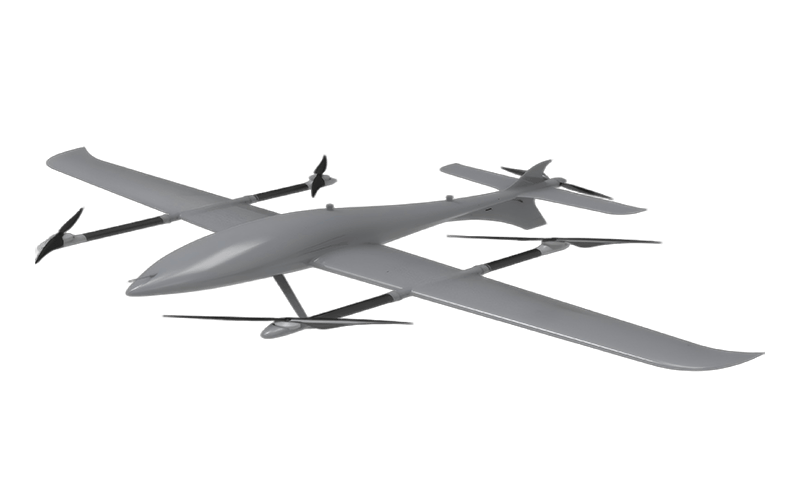
When selecting industrial UAVs, understanding the various types and their applications is crucial. Industrial UAVs can be categorized into fixed-wing, multi-rotor, and hybrid types. Fixed-wing drones are ideal for large area surveys and mapping, as they cover greater distances and have longer flight times. According to the 2022 Drone Market Report, fixed-wing UAVs have a market share of around 27%, primarily due to their efficiency in agricultural monitoring and construction site surveys.

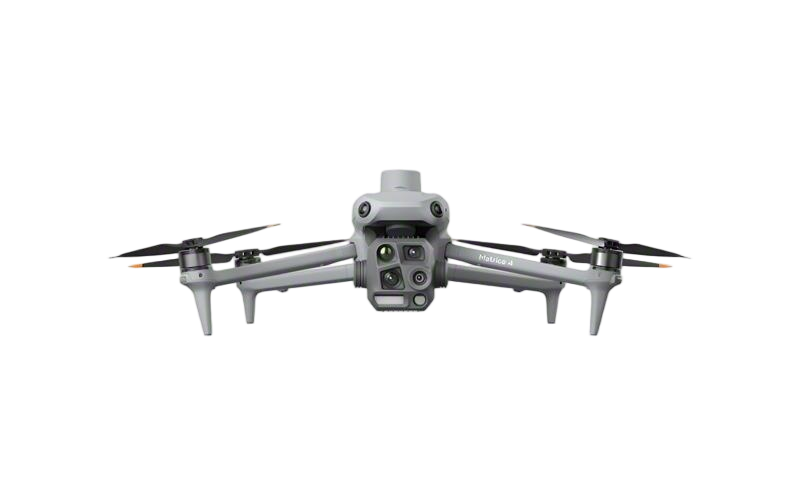
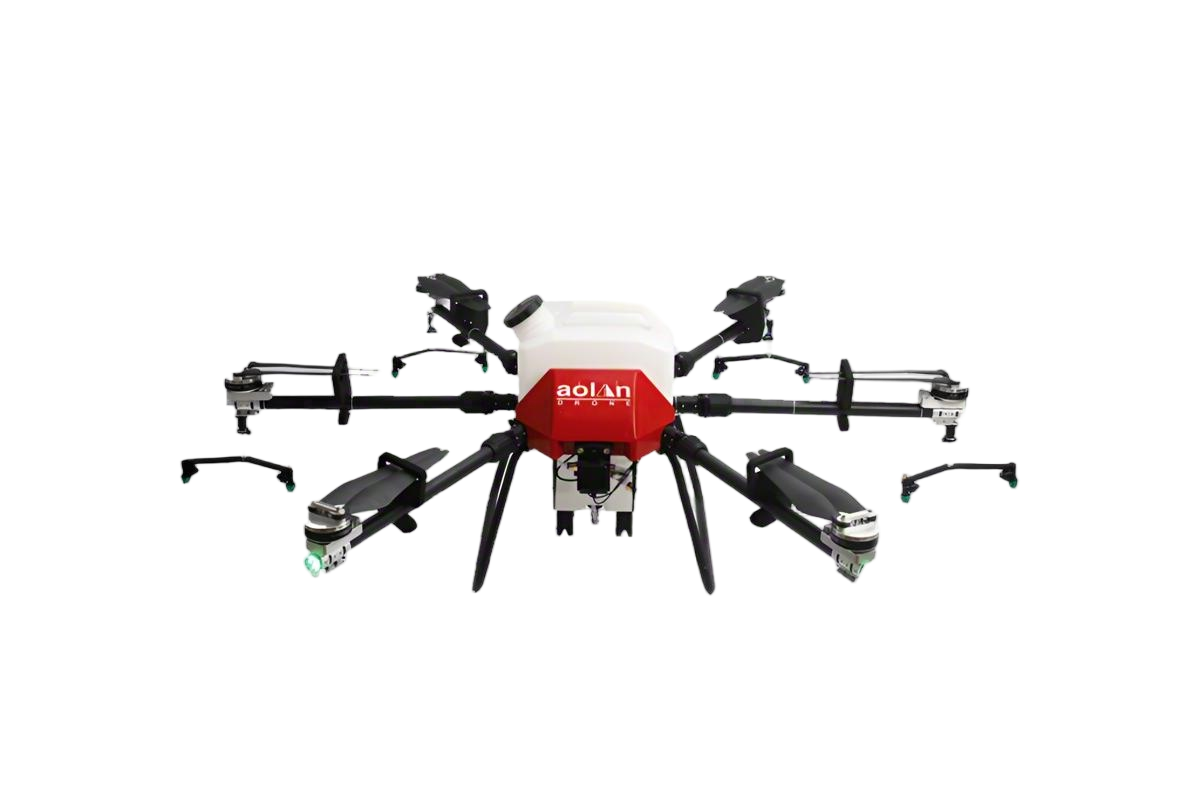
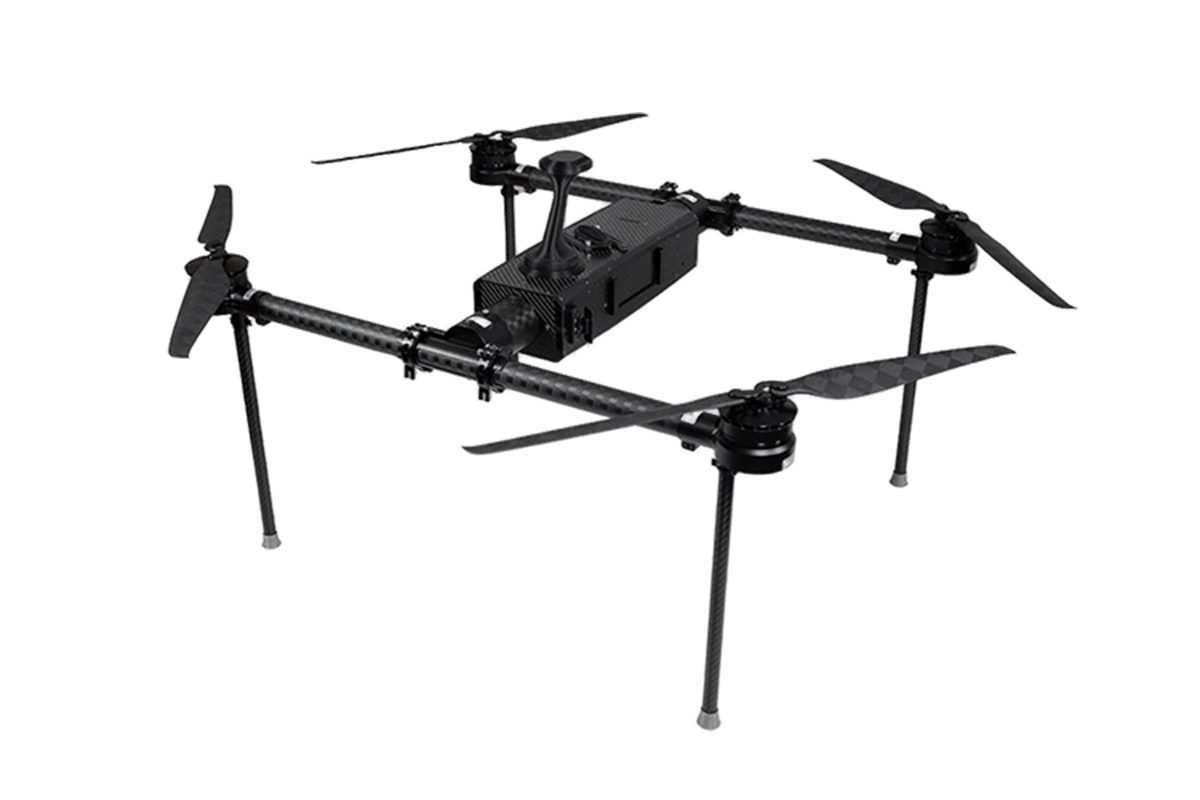
Multi-rotor drones excel in flexibility and ease of use. They are perfect for tasks requiring precision, such as aerial photography and inspections. Their ability to hover makes them suitable for detailed inspections of infrastructure. The market for multi-rotor UAVs is projected to grow significantly, with an expected increase of 14% annually over the next five years, according to industry analysts.

Tip: Consider your specific application before choosing a UAV type. For vast agricultural fields, fixed-wing options may offer better performance. However, for detailed infrastructure inspections, multi-rotor drones provide unparalleled flexibility and accuracy.

Analyze your budget versus the ROI of different UAV types. Cheaper models may lack the necessary features, leading to performance issues. Investing in higher quality drones can yield better data and long-term savings for your operations.

Tip: Always check for certification and regulatory compliance when purchasing UAVs. Quality should not be sacrificed for cost, as safety and reliability are paramount.

Evaluating Business Needs and UAV Specifications

Choosing the right industrial UAV involves understanding your business needs and the specifications of various models. Recent industry reports indicate that the global drone market is projected to grow at a CAGR of 13.8% from 2021 to 2027. This growth illustrates the importance of selecting UAVs that can effectively enhance operational efficiency. Evaluating factors such as payload capacity, flight duration, and range can significantly influence your investment.

Different industries require distinct features in UAVs. For instance, agricultural UAVs focus on high-resolution cameras for crop monitoring, while construction UAVs need robust data transmission capabilities for surveying. A survey by the Association for Unmanned Vehicle Systems International highlights that 81% of businesses have seen improved data collection after implementing drone technology. However, not all UAVs seamlessly integrate into existing systems, and this can lead to challenges in data management.

Investing time in identifying specific outcomes is crucial. Flaws in assessment can lead to purchasing drones that are either over-qualified or under-equipped for tasks. For instance, a business may choose a costly model when a simpler design would suffice. Balancing specifications against budget constraints is necessary to avoid future regret. Inadequate research may result in wasted resources or unmet expectations in performance.

Key Features to Consider When Selecting UAVs

When selecting industrial UAVs for your business, key features play a critical role. Consider first the payload capacity. This determines what equipment your UAV can carry. If you need to transport cameras or sensors, ensure the UAV can support their weight. A mismatch here can hinder your operations.

Battery life is another crucial aspect. A UAV with insufficient battery life may leave you stranded mid-flight. Look for models that can offer extended flying time. Short battery life also means more downtime for recharging. Aim for UAVs that provide a balance between performance and duration.

**Tips:** Always review user feedback before making a purchase. Real-world applications can highlight limitations. Also, consider the UAV's controller range. It can vary widely among models. A limited range can restrict your operational capacity. Be aware that high-tech features may come with a learning curve. Ensure your team is ready to adapt.

Lastly, evaluate the durability of the UAV. In tough conditions, fragile models can fail. Look for UAVs built to withstand various environments. This resilience can mean fewer repairs and better reliability over time. Always reflect on your specific needs to ensure the right fit.

Assessing Regulatory Compliance and Certification Requirements

How to Choose the Right Industrial UAVs for Your Business?

When selecting industrial UAVs, regulatory compliance is crucial. Each region has specific laws governing drone use. Understanding these regulations can save time and resources. Ensure your UAV meets all local and national standards. Check if your UAV requires certification by aviation authorities.

Tips: Research the required documentation. Many industries have unique certifications. Familiarize yourself with the necessary training or operational guidelines. A lack of awareness can lead to fines or restrictions.

Safety is another aspect of compliance. UAVs often need to follow strict safety protocols to operate legally. Make sure your equipment is well-maintained and regularly inspected. Inadequate safety measures may compromise compliance and put your operations at risk.

Tips: Keep a maintenance log for your UAVs. This practice demonstrates responsibility and proactive management. Failure to document can lead to compliance issues in the future. Always prioritize safety regulations during operation.

Comparing Costs: Initial Investment vs. Long-term Benefits

When evaluating industrial UAVs, cost analysis is essential. The initial investment often includes the drone, software, and training. However, consider the long-term benefits, too. If managed well, a UAV can enhance operational efficiency. Reduced labor costs and quicker data collection can lead to significant savings over time.

Tips: Assess your specific business needs. Will you require regular use, or is it a one-time project? Determine how quickly you can recoup the initial costs through improved processes.

Operating costs also play a role. Maintenance, insurance, and upgrades should be calculated into your budget. An inexpensive drone may lead to higher long-term costs if reliability is an issue. Reflect on how downtime affects your operations. Does a budget UAV risk your productivity?

Tips: Estimate potential downtime from failures. Calculate the impact on your revenue. Investing a bit more upfront could save money later. Always prioritize reliability and support from the manufacturer.

Exploring Integration with Existing Business Operations

How to Choose the Right Industrial UAVs for Your Business?

When integrating industrial UAVs into your business operations, start by identifying specific needs. What tasks can drones enhance? Consider aerial inspections, mapping, or deliveries. Each application has unique requirements. Understanding these nuances helps ensure a successful integration.

Take into account your existing infrastructure. Will the UAVs require additional software or hardware? Seamless compatibility is crucial. Assess your team's current skills and training as well. Training may enhance productivity but can take time. An upfront investment in expertise can save future headaches.

Reflect on possible challenges you may face. Regulatory compliance is often complex. Keeping abreast of local laws is essential. You might encounter internal resistance. Change can be difficult; addressing concerns early helps ease the transition. Regular feedback will provide insights on potential improvements during implementation.

Maintenance and Support: Ensuring UAV Longevity and Efficiency

When considering the longevity and efficiency of industrial UAVs, maintenance and support are crucial. Regular inspections can significantly extend the lifespan of UAVs. According to a report by Drone Industry Insights, proper maintenance can enhance operational efficiency by up to 30%. Many businesses overlook routine check-ups, risking costly downtimes.

It’s vital to develop a maintenance schedule tailored to your UAV's specific use. Frequent checks on battery life and propeller condition can prevent unexpected failures. Inadequate maintenance leads to a 25% increase in repair costs, as highlighted by a study from the Association for Unmanned Vehicle Systems International. Periodic software updates are also essential for optimal performance.

Tips for effective maintenance include keeping a detailed log of repairs and inspections. This practice not only helps track performance but also serves as a reference for future maintenance. Additionally, investing in training for operators can ensure they understand the nuances of UAV care.

Remember that every UAV has its own vulnerabilities. Reflect on past challenges and consider how preventive measures might have altered outcomes. Maintenance is not just necessary; it's a strategic investment.

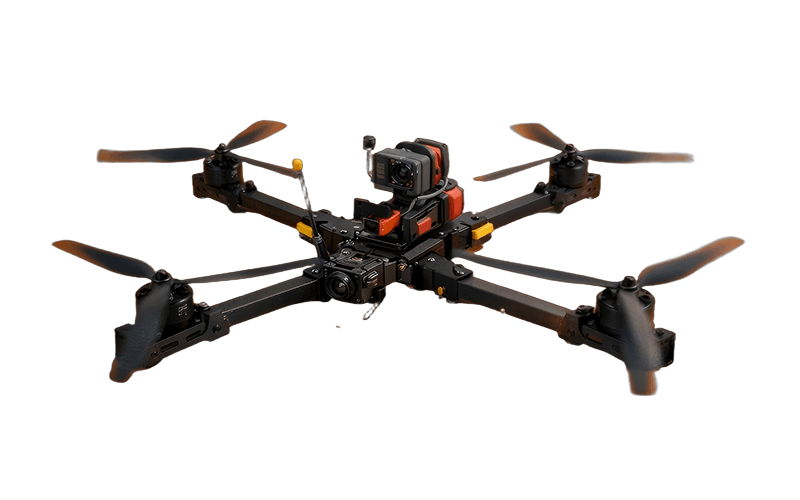
Exploring the Future of Drones: KEEL's Modular Design and Unmatched Flight Performance

As the drone industry continues to evolve, the focus shifts towards enhanced capabilities and applications in various sectors. The recent advancements in drone technology are epitomized by modular designs that allow for increased flexibility and functionality. With the capacity to cater to specific operational needs, these drones have become essential tools in industries ranging from agriculture to emergency response.

One of the most critical features of modern industrial-grade drones is their ability to execute long-range operations with unmatched endurance. According to a recent market analysis, the global drone market is expected to reach $46 billion by 2026, driven largely by the demand for longer flight times and diverse operational capabilities. The endurance factor is crucial, as many professional applications require drones that can cover vast areas without the need for frequent recharging. The ability to operate for extended periods not only enhances efficiency but also allows for comprehensive data collection in sectors like environmental monitoring and infrastructure inspection.

Moreover, the versatility of these drones is highlighted by their modular design, enabling users to easily switch payloads or adapt configurations to meet specific mission requirements. This adaptability is vital, especially in industries where varying tasks are the norm. A report from the Association for Unmanned Vehicle Systems International indicates that as many as 70% of current drone users express the need for systems that can modify quickly to changing operational demands. With these advancements, the future of drones appears not only promising but transformative, paving the way for more efficient and effective applications across multiple domains.

FAQS

: What initial costs should I expect when purchasing a U

V?

How can UAVs improve operational efficiency?

UAVs can reduce labor costs and speed up data collection, leading to long-term savings.

How should I assess my need for a UAV?

Determine if you will use it regularly or just for a one-time project.

What operating costs should I consider?

Maintenance, insurance, upgrades, and potential downtime should all be factored into your budget.

How does downtime affect UAV reliability?

A budget UAV may risk productivity due to failure, leading to costly downtime.

What tasks can drones enhance in my business?

Drones can be used for aerial inspections, mapping, and deliveries.

Do I need to update my existing infrastructure for UAVs?

Yes, check if UAVs will need additional software or hardware for seamless integration.

How important is my team’s training for using UAVs?

Training increases productivity but can take time; it’s worth the upfront investment.

What regulatory challenges might I face?

Regulatory compliance can be complex, so staying informed about local laws is vital.

How can I address resistance to UAV integration?

Early engagement and regular feedback can help smooth the transition and improve acceptance.

Conclusion

Choosing the right industrial UAVs for your business requires a thorough understanding of the various types available and their specific applications. It’s essential to evaluate your business needs alongside the specifications of potential UAVs, including key features such as payload capacity, flight time, and navigational capabilities. Assessing regulatory compliance and certification requirements is also critical to ensure safe and legal operation.

Furthermore, when comparing costs, businesses should weigh the initial investment against long-term benefits, considering operational efficiency and potential return on investment. Integrating UAVs with existing business operations can maximize their utility, while ensuring proper maintenance and support will help maintain UAV longevity and efficiency. By carefully considering these factors, businesses can effectively select the right industrial UAVs to enhance their operations.

Emily

Emily

Emily is a dynamic and skilled marketing professional with a deep understanding of UAV systems and their applications across various industries, including agriculture, energy, and smart cities. With a passion for integrated innovation, she plays a critical role in showcasing how her company builds......
Previous Top 5 Fertilizer Drone Options for Efficient Agriculture?