 GDU
GDU
 UUUFLY
 DJI
DJI MMC
MMC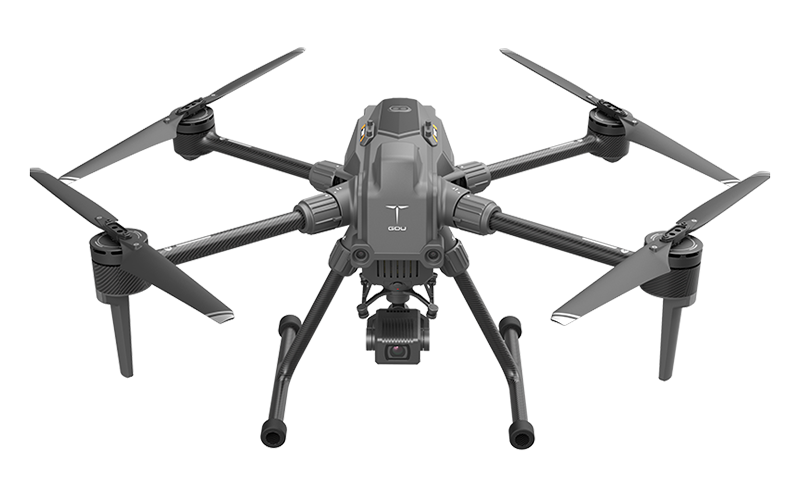 GDU
GDU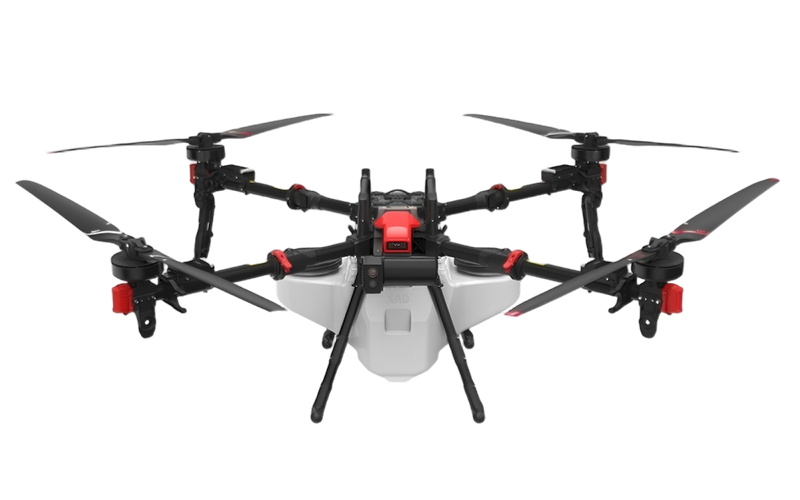 XAG
XAG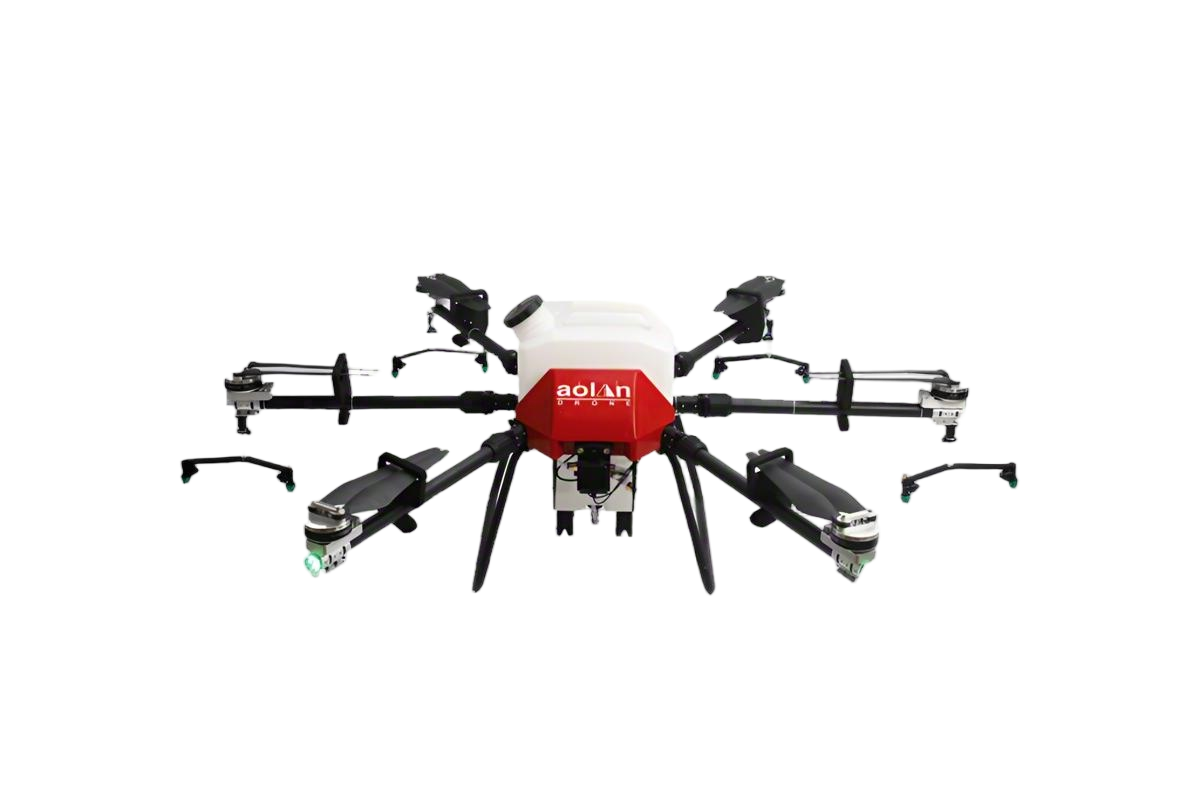 AOLAN
AOLAN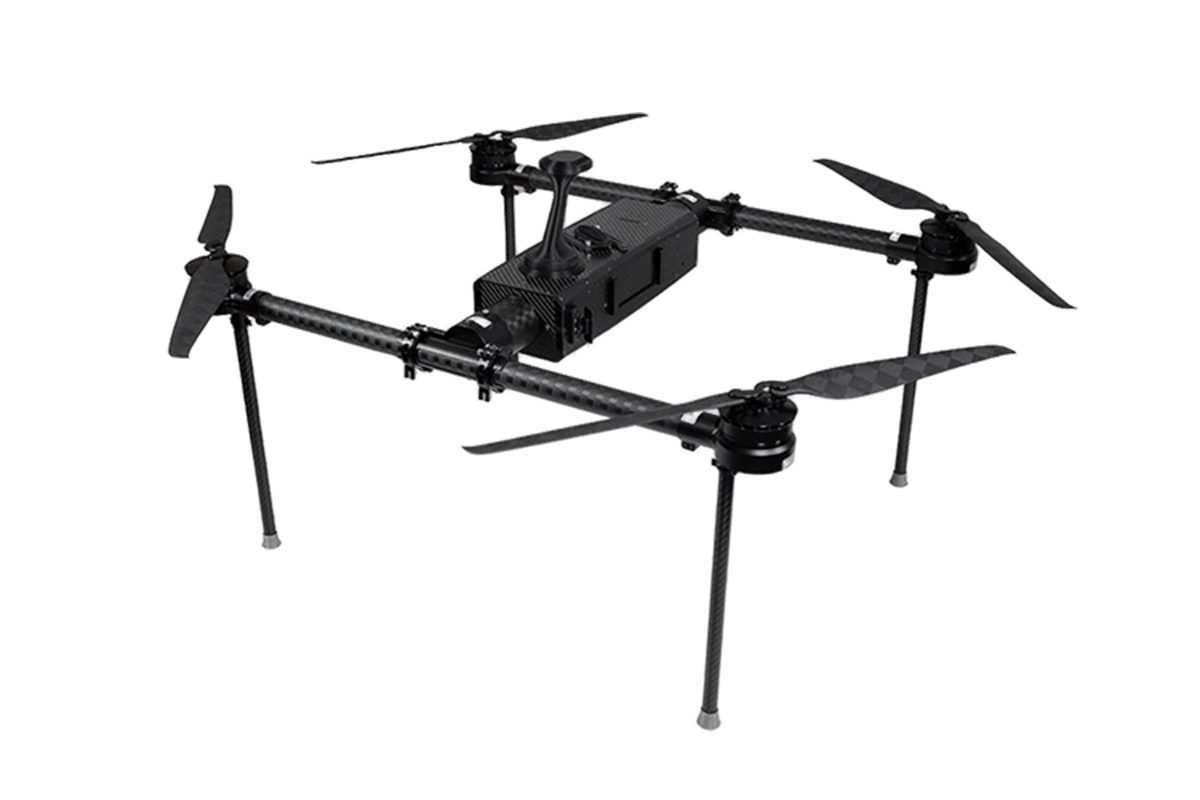 KEEL
KEEL SKY NEXT
- DJI Matrice-4T
- DJI Matrice 4E Drone
- DJI Matrice 4TD
- DJI Matrice 30T
- DJI Mavic 3 Emterprise
- DJI Mavic 3M Multispectral Drone
- DJI RC 2 Plus Industry Plus
- DJI Matrice 4 Series Battery
- DJI Matrice 4D Series Batteries
- TB65 Intelligent Flight Battery
- TB100 Smart Flight Battery
- WB37 Battery
- DJI Accessories

Farming’s come a long way, and these days, tech plays a huge role in that. Just recently, using Fertilizer Drones has really changed the game. I was chatting with Dr. Emily Carter, who’s an expert in agri-tech at AgriTech Innovations, and she said, “Fertilizer Drones can totally revolutionize farm productivity.” Her point is spot on — these drones make applying fertilizer soooo much easier and more efficient.
By 2026, the top Fertilizer Drones will basically be all about being simple to use and highly efficient. Farmers will be able to make better use of their resources and cut down on labor costs. With GPS and AI onboard, these drones can target specific areas perfectly. Plus, they can cover huge fields in no time at all. But, here’s the thing — getting the hang of this tech isn’t exactly a walk in the park. Not every farmer’s gonna pick it up right away; some might need a bit of training.
And of course, while the advantages are clear, there are still some hurdles. The upfront cost can seem pretty steep, and a few folks might wonder if it’s really worth it long-term. Still, with the right guidance and a bit of patience, things are looking pretty bright for the future of farming. The progress we're seeing with Fertilizer Drones is pretty exciting — it’s definitely a step toward more sustainable and productive agriculture.

Understanding Fertilizer Drones: An Overview of Technology
Fertilizer drones are transforming agriculture today. These unmanned aerial vehicles (UAVs) utilize advanced technology for efficient crop management. Their ability to spray fertilizers over vast fields allows farmers to save time and labor costs. They also reduce the environmental impact by minimizing the overuse of chemicals.
The technology behind fertilizer drones involves high-resolution mapping and GPS guidance. This ensures accurate application of nutrients where they are most needed. However, reliance on drones can lead to overdependence on technology. Farmers must still understand the specific needs of their crops and soil.
Data collection is another vital aspect. Drones gather information on crop health, soil conditions, and weather patterns. This helps in making informed decisions. Yet, interpreting this data correctly requires expertise. Mistakes in analysis can result in ineffective application strategies. As the technology evolves, farmers must constantly adapt to new methods and insights.

Maximizing Crop Yields: The Benefits of the AL6-30 6-Rotor Agricultural Spraying Drone with Helicopter-Grade Engine
The advancement of agricultural technology has brought forth a new era of efficiency and productivity in crop management. Among the innovative solutions available, the 6-rotor agricultural spraying drone stands out for its powerful helicopter-grade engine, engineered specifically for professional farm use. This drone significantly enhances the precision and effectiveness of crop treatment, ensuring that farmers can maximize their yields while minimizing resource waste.
Equipped with advanced features, this drone allows for targeted spraying, ensuring that each application is done with the utmost accuracy. The powerful engine not only boosts operational speed but also improves the coverage area per flight, enabling farmers to treat large fields in a fraction of the time previously required. Additionally, the drone's high-capacity tank increases the volume of liquid it can carry, further reducing the need for frequent refills during application, thus optimizing the entire crop treatment process.
The benefits of using this agricultural spraying drone extend beyond efficiency; they encompass economic savings as well. By reducing the amount of pesticides and fertilizers that are over-applied, farmers can lower their input costs while simultaneously promoting a sustainable farming approach. As crop yields increase, so does the potential for profitability, making such technological investments a wise choice for forward-thinking agricultural practitioners.

FAQS
: Drones offer significant benefits for fertilizer application and help optimize crop management.
Farmers must navigate different laws governing drone use, including licenses and no-fly zones.
Knowledge of regulations ensures safe operations and reduces penalties for non-compliance.
Training and expertise are needed, as many farmers lack familiarity with the legal requirements.
Drones equipped with sensors analyze soil health, offering real-time data for fertilizer optimization.
AI can predict optimal fertilization times based on weather and crop growth, improving efficiency.
Over-reliance on technology may lead farmers to overlook local knowledge and experience.
Adequate education is crucial; without it, farmers risk misapplying drone technology.
It's essential to integrate drones while maintaining sustainable practices and local expertise.
Understanding limitations and fostering continuous education are vital for successful implementation.
Conclusion
The article "2026 Best Fertilizer Drone for Efficient Farming Solutions" provides a comprehensive overview of the advancements in fertilizer drone technology, highlighting their key features and efficiency in agricultural practices. It discusses various models available on the market and examines their performance in terms of cost-effectiveness. Regulatory aspects are also covered to ensure that users are informed about the legalities of utilizing drones in farming.
Additionally, the article presents case studies that showcase successful implementations of fertilizer drones, illustrating how these innovations optimize fertilization processes and enhance crop yields. Looking ahead, it explores future trends in drone technology that promise to further transform agricultural fertilization methods, making farming more efficient and sustainable through the use of fertilizer drones.
Related Posts
-

2026 Top Thermal Drone Innovations for Global Buyers?
-

What is an Agriculture Sprayer UAV and How Does it Revolutionize Farming Practices
-

2026 Guide to Agriculture Sprayer UAV at China Import Export Fair?
-

Best Thermal Drones for Aerial Inspections and Monitoring?
-

How to Use Agriculture UAVs for Improved Crop Management and Yield Optimization
-

2026 How to Choose the Best Spray Drone for Your Needs?
